






Beyond the Bulb: Why an LED Light Panel is the Smartest Upgrade for Your Space
A single panel can transform how you see, feel and use your room—just ask Sarah, a home baker from Manchester whose kitchen went from dull to dazzling with one sleek LED panel.

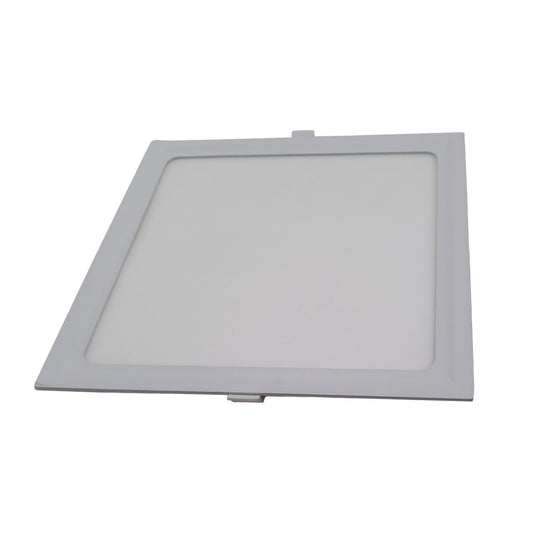
Quick answer: An LED panel is a slim, flat ceiling light that spreads even, shadow-free light across a room using edge-lit LEDs. Most UK homes use a 600×600 mm panel delivering around 3600–4000 lumens, available as recessed, surface-mounted or suspended, with dimmable and smart-control options.
Ever stood in a room and felt something was… off? Maybe your kitchen has gloomy corners no matter how bright the main bulb is. Perhaps your home office light gives you a headache by 3 PM. For Sarah, a home baker from Manchester, dull spotlights cast shadows right where she needed to see her delicate icing work. The upgrade wasn't a new cooker or fancy worktops—it was a modern LED light panel.
This single change didn't just illuminate her workspace; it revitalised the entire room, making it feel brighter, bigger and more professional.
Why Choose an LED Panel for Your Next Project?
Stunning Energy Efficiency
LED panels use a fraction of the electricity of fluorescent tubes, provide instant, flicker-free light and last for tens of thousands of hours—cutting bills and hassle. Pair with the correct LED transformer to get the full efficiency benefit.
Sleek, Minimalist Aesthetic
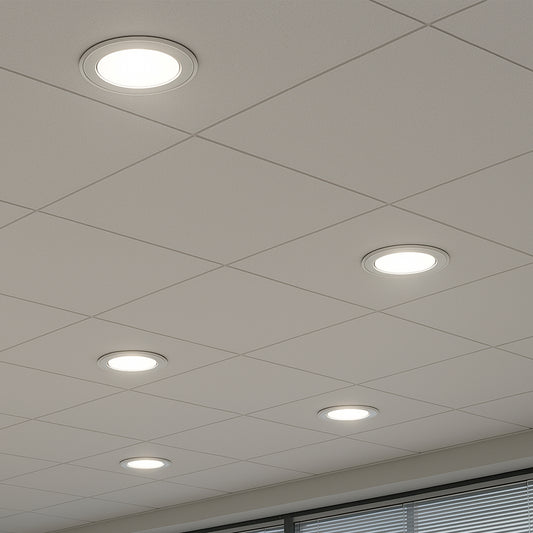
Ultra-slim panels sit flush against the ceiling or can be suspended for a clean, modern look that makes rooms feel more spacious.
Fit-and-Forget Reliability
With lifespans up to 50,000 hours, you can install and enjoy for years—no more chair-wobbling bulb changes.
Even, Comfortable Light
Panels distribute light across the entire surface, eliminating harsh hotspots and shadows to reduce eye strain—ideal alongside LED bulbs elsewhere in the room for a consistent colour temperature.
Buying Guide: Choosing the Perfect LED Light Panels
1) Get the Brightness Right (Lumens)
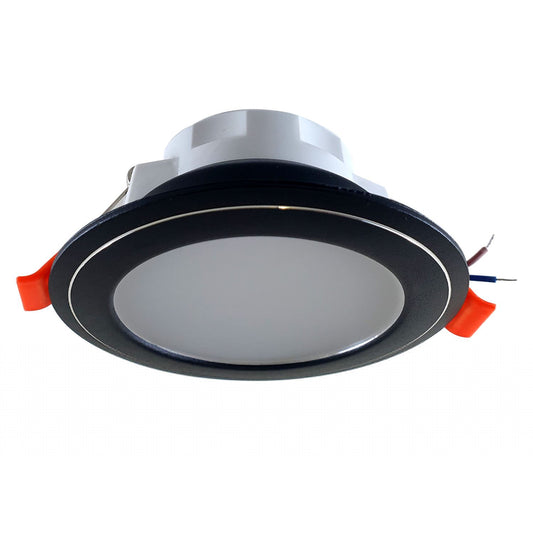
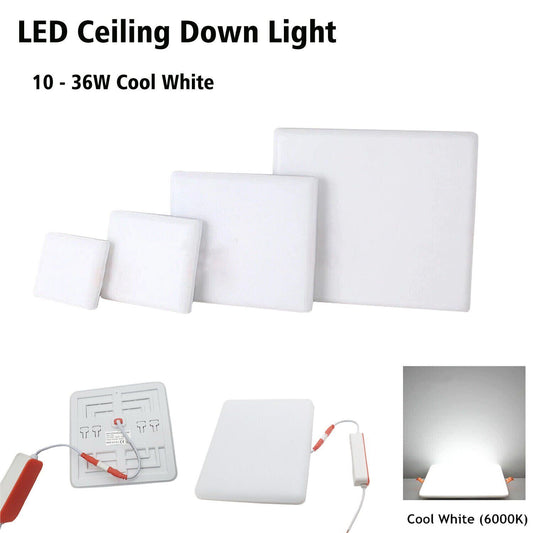
Forget watts—lumens measure brightness. A standard 600×600 mm LED panel typically delivers ~3600–4000 lm, ideal for focused work areas and home kitchens where counters need clear, even light. For smaller recessed downlights, check the wattage filter on our LED panels collection to compare 5W through 36W options side by side.
2) Set the Mood (Colour Temperature)
| Colour Temperature | Approx. Kelvin (K) | Best For | Feel |
|---|---|---|---|
| Warm White | ~3000K | Living rooms, bedrooms | Cosy, inviting |
| Neutral / Natural White | ~4000K | Kitchens, bathrooms, retail | Clean, like daylight |
| Cool White | ~6000K | Offices, garages, workshops | Crisp, task-focused |
3) Design & Fit (Recessed, Surface or Suspended)
- Recessed (grid ceilings): swap a ceiling tile for a panel—quick and tidy.
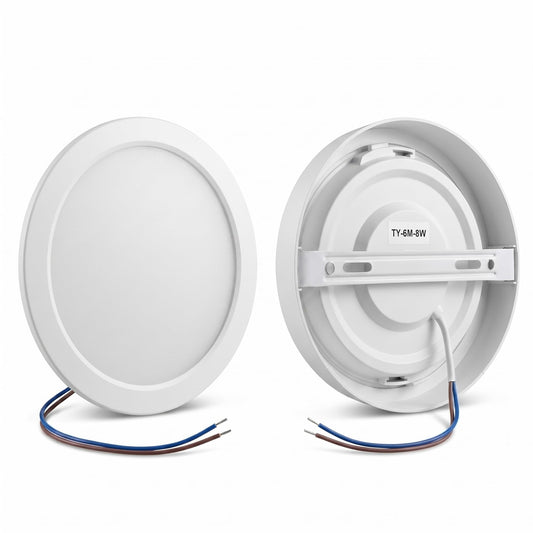
- Surface-mounted (solid ceilings): use a slim frame kit for a neat box-profile finish.
- Suspended: use wire kits to 'float' the panel for an architectural statement.
4) Power & Drivers
Every panel needs a compatible driver matched to its voltage and current. Browse 12V, 24V and 5V transformers, or go waterproof-rated with our IP67 LED drivers for damp locations like garages and outbuildings.
5) Safety First: UK Certifications
Choose panels with CE and RoHS certification. Reputable suppliers like LEDSone ensure full compliance for quality and peace of mind.
Tip: Prefer the form factor that suits your ceiling first, then select brightness and colour temperature for the task at hand.
Common Questions People Ask About LED Panels
What size LED panel do I need for a kitchen?
For most UK kitchens, a 600×600 mm panel delivering 3600–4000 lumens in Neutral White (~4000K) gives even, shadow-free light across worktops. Smaller rooms or task areas suit a 300×300 mm or a recessed 5W–18W downlight instead—see the wattage filter on our LED panels collection.
Can I replace a fluorescent tube with an LED panel?
Yes. A 600×600 mm LED panel is designed to drop straight into the same suspended-ceiling grid as a fluorescent tube fitting, giving an instant efficiency and brightness upgrade without altering the ceiling structure.
Do LED panels flicker or hum like fluorescent tubes?
No. LED panels run on flicker-free DC power once connected through a compatible driver, which eliminates the buzzing and flicker associated with old fluorescent ballasts.
What's the difference between recessed, surface-mounted and suspended panels?
Recessed panels sit inside a suspended ceiling grid; surface-mounted panels attach directly to a solid ceiling using a frame kit; suspended panels hang from wire kits for a floating, architectural look. Your ceiling type—not personal preference alone—usually decides which fits.
How long do LED panels last?
Quality LED panels are rated for up to 50,000 hours of use—roughly 15+ years at typical daily usage—compared with 1,000–2,000 hours for a traditional fluorescent tube.
Smarten Up Your Space: Dimmable & Smart LED Ceiling Panels
Total Control with Dimming
Dim for dinner, brighten for cleaning—save extra energy and dial in the perfect ambience with a dimmable LED panel plus compatible driver. See our range of dimmable LED lighting for compatible controls.
App & Voice Control
Go smart with Wi-Fi controllers to schedule on/off, tweak colour temperature and dim via Alexa/Google or a dedicated app.
Integrated Sensors
Occupancy and daylight sensors automate lighting for efficiency in commercial or multi-room projects.
Don't Forget Accessories
Match your panel with the right drivers, controllers & accessories to unlock all features.
Installation Made Simple
Recessed Installation
Designed to the same footprint as standard tiles (e.g., 600×600 mm): remove the tile and drop the panel in.
Surface Mounting
Attach a four-sided aluminium frame to the ceiling, then slide the panel in for a slim, secure finish—ideal for plasterboard ceilings.
Suspension Mounting
Use adjustable steel wire kits to create a floating look—stunning over kitchen islands or meeting tables.
Safety first: Always have a qualified electrician complete the electrical connections to meet UK regulations. See our installation guide for wiring reference diagrams.
Beyond the Office: Creative Uses for LED Flat Panel Lights
- Kitchen hero light: A central flat panel floods worktops with shadow-free clarity—browse our kitchen lighting collection.
- Garage/workshop upgrade: Daylight-quality illumination for detailed tasks from mechanics to woodworking.
- Backlit feature wall: Place a panel behind translucent acrylic or fabric for high-end ambient glow.
- Home office essential: Flicker-free, non-glare light to reduce eye strain and boost focus.
Quick Compare: Bulbs vs. LED Panels
| Feature | Traditional Bulb/Spot | LED Panel |
|---|---|---|
| Light Distribution | Hotspot with shadows | Uniform, shadow-free |
| Energy Use | Higher | Significantly lower |
| Lifespan | Short, frequent changes | Up to ~50,000 hours |
| Look | Cluttered ceiling | Slim, minimalist |
| Controls | On/Off (mostly) | Dimming, smart, sensors |
FAQs
Are LED light panels only for offices?
Which panel size is most common?
In grid ceilings, 600×600 mm is standard. For solid ceilings, use a surface-mount frame in the size that suits your space.
Do I need a special driver?
Yes—every panel needs a compatible driver. For dimming or smart control, choose drivers/controllers designed for your panel model.
Can I install it myself?
Mounting can be DIY with the right kit, but always use a qualified electrician for wiring to meet UK regs.
What's the difference between IP20 and IP67 rated panels?
IP20 panels are for dry indoor rooms only, while IP67-rated fittings and drivers are dust-tight and protected against water jets—needed for bathrooms, garages or outdoor use. See our IP67 waterproof LED drivers.
Are LED panels dimmable?
Many are, but only when paired with a dimmable driver and a compatible dimmer switch. Check the product spec before buying and see our dimmable lighting range.
Your Lighting Transformation Starts Here
From Sarah's newly radiant kitchen to a perfectly lit home office, the right LED light panel does more than brighten a room—it transforms how you live and work. It brings style, sustainability and superior light quality together in one sleek package.