





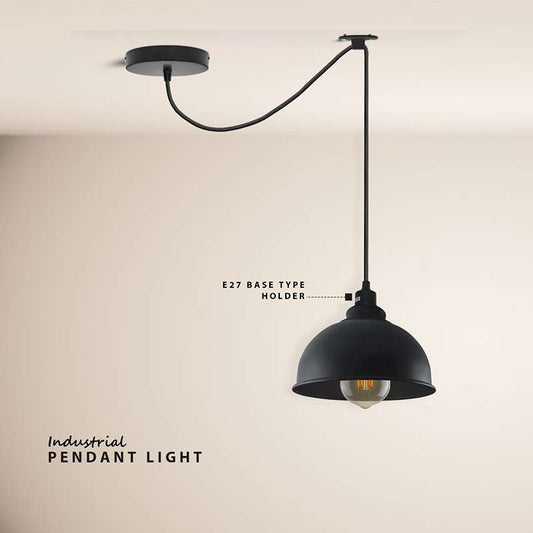

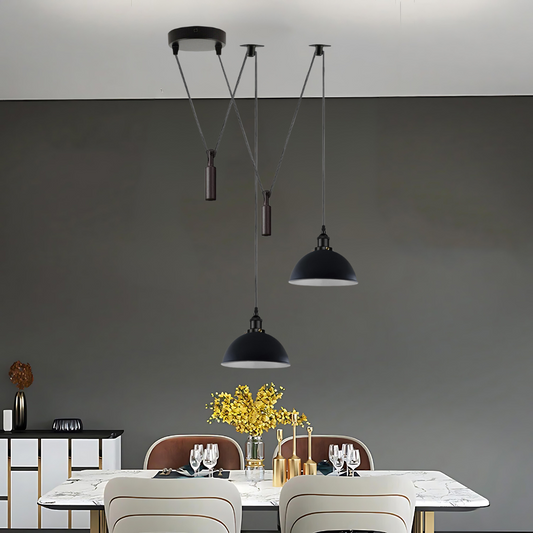
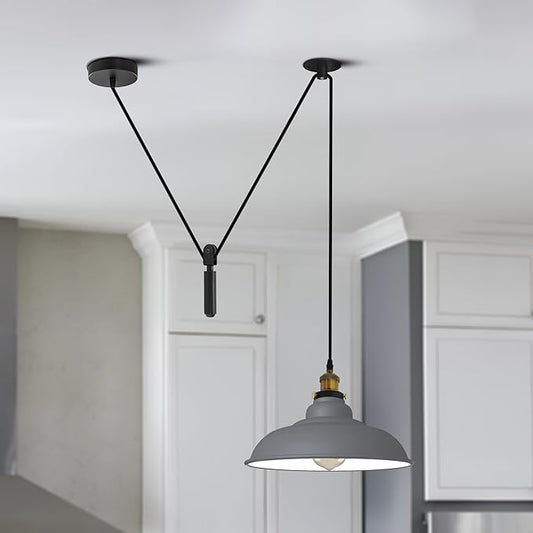
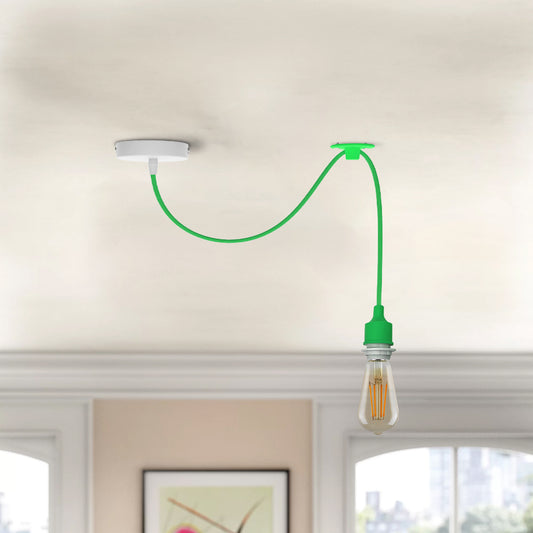

What Are Spider Lights?
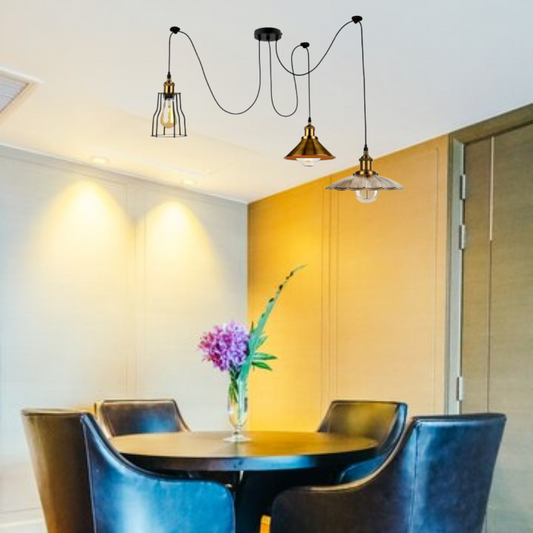
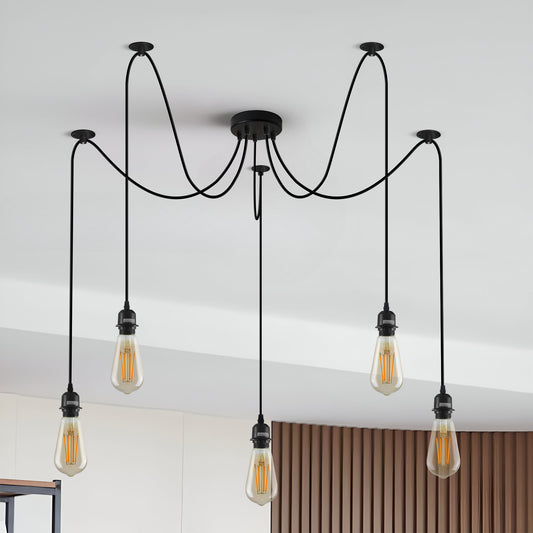
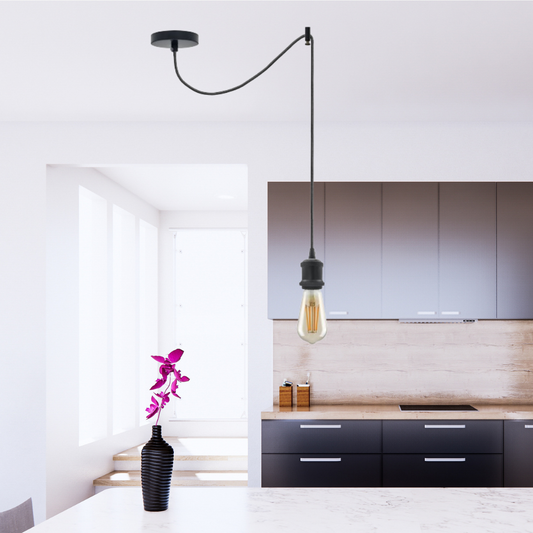
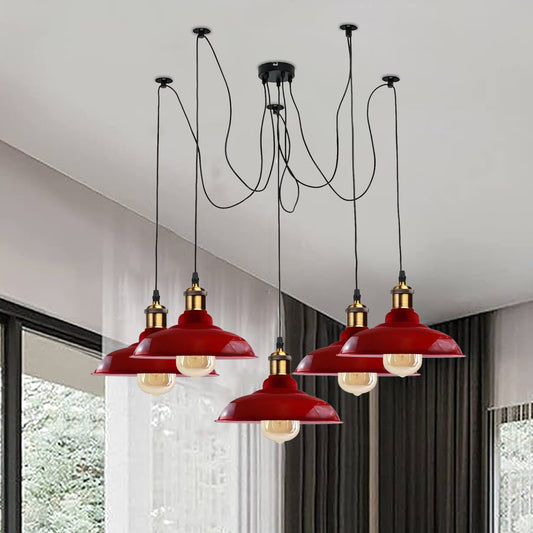
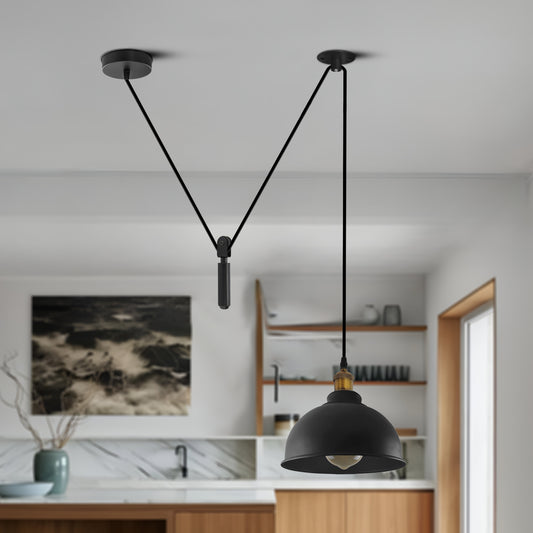
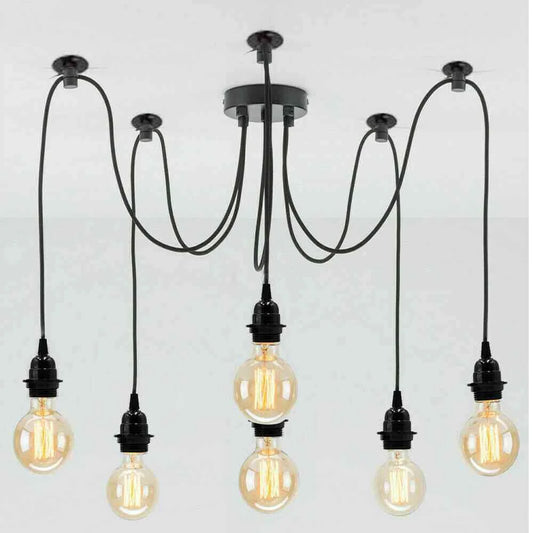
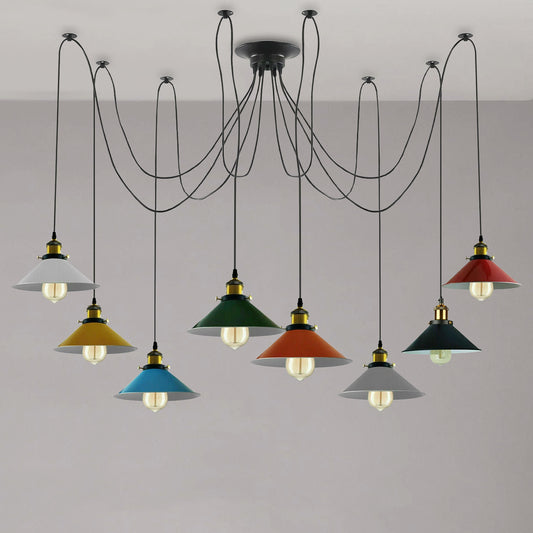
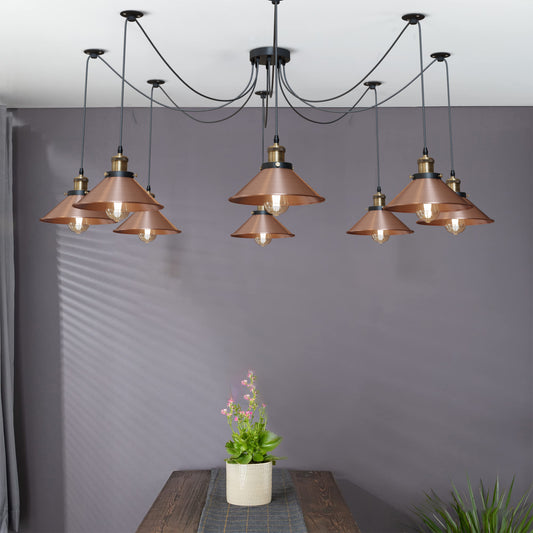
Spider lights are distinctive pendant fixtures characterised by multiple adjustable arms originating from a central canopy, resembling a spider's legs. This design isn't just for looks; it provides highly practical, directional lighting, allowing you to aim light precisely where you need it. They are incredibly versatile for various applications, from a dramatic dining room centrepiece to a functional studio light.
History and Evolution
Originally gaining popularity in film and photography for their adaptability, spider lights have evolved significantly. Modern designs now incorporate advanced dimmable E27 LED bulbs, smart features, and a vast array of materials. They are now widely used in residential and commercial events, creative projects, and statement interior design.
Common Uses
- Home Decor: Creating a focal point in living rooms, dining areas, or high-ceilinged entryways.
- Photography: Studio portraits, product shoots, and creative outdoor photography.
- Film: Flexible and effective lighting for various scenes and interviews.
- Events: Dynamic stage lighting, elegant wedding decor, and atmospheric party lighting.
Types of Spider Ceiling Lights
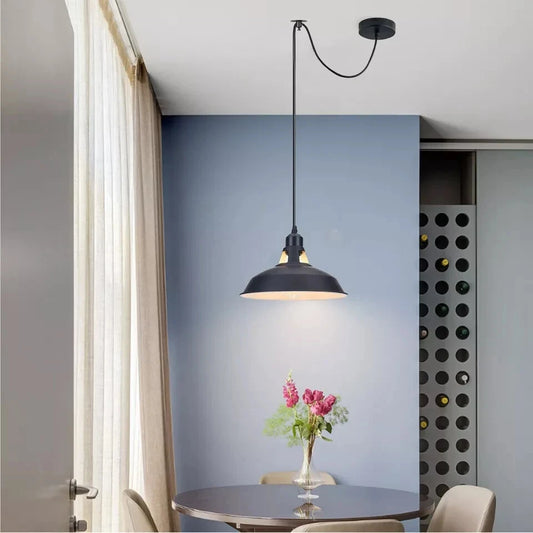
Spider lights come in various arm configurations to suit different room sizes and uses. While they create a bold centrepiece, you can complement your room's design with other fixtures like subtle matching wall lights or classic single-arm pendant lights for a layered effect.

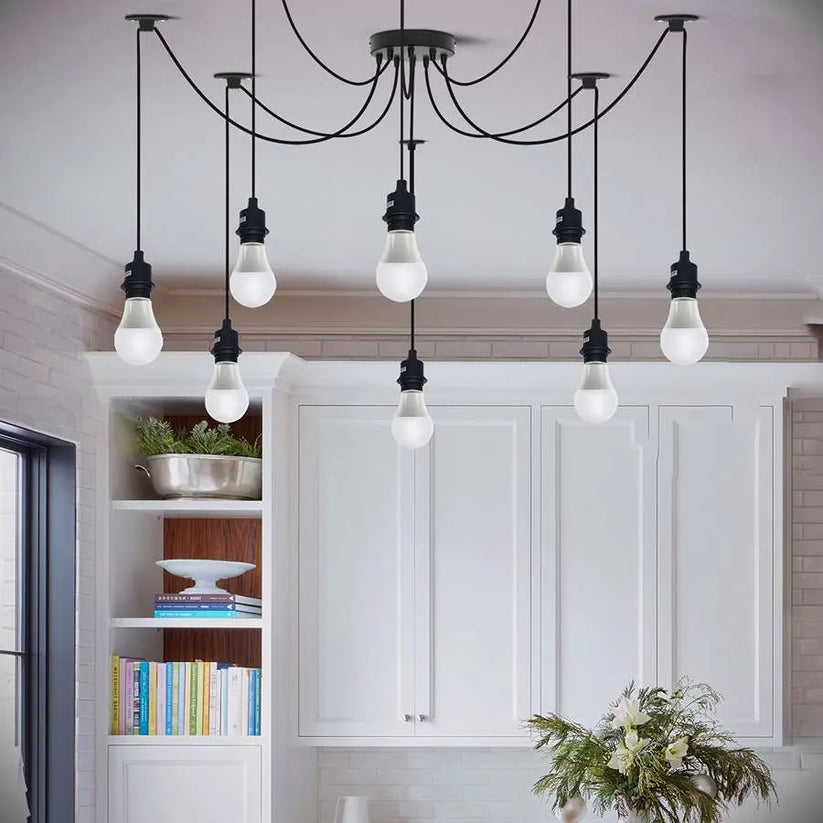
| Type | Description |
|---|---|
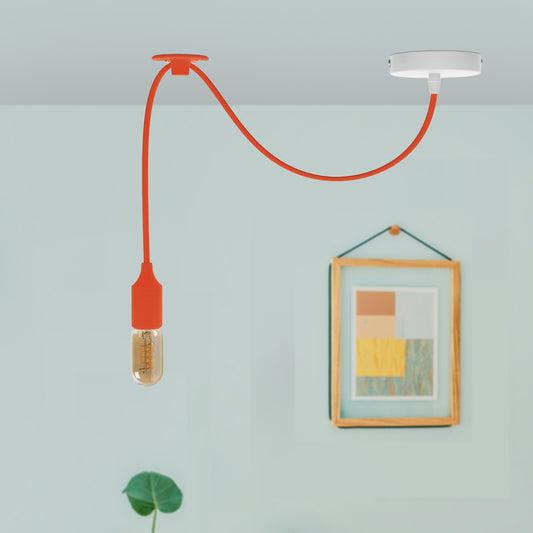
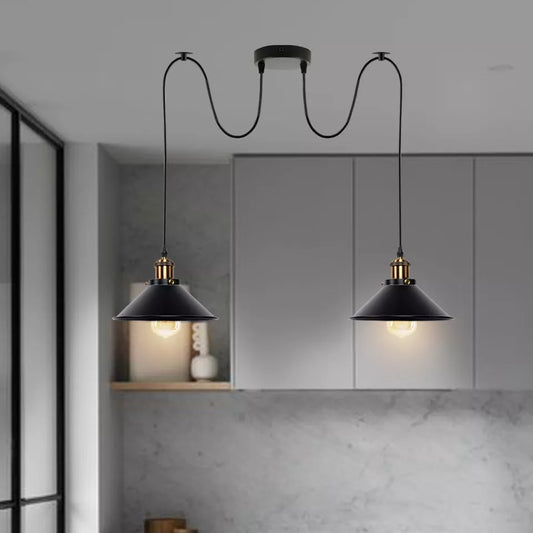
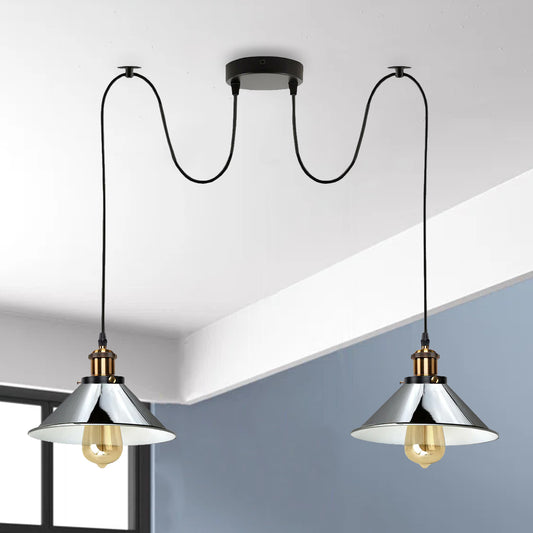
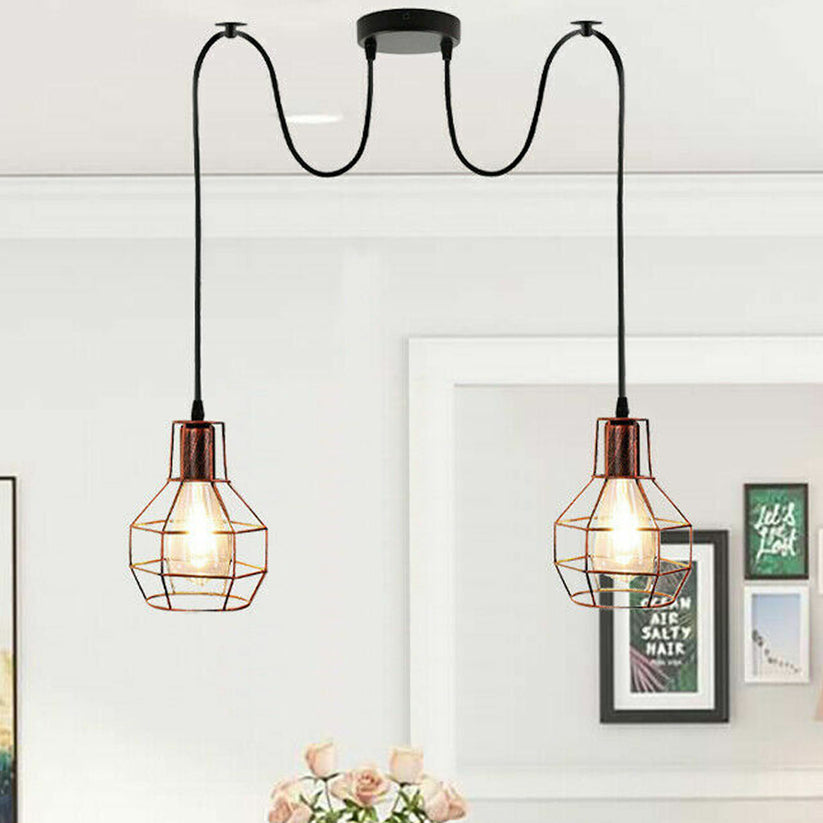
| 2-Head Spider Light | Compact and portable, ideal for small setups or accent lighting. |
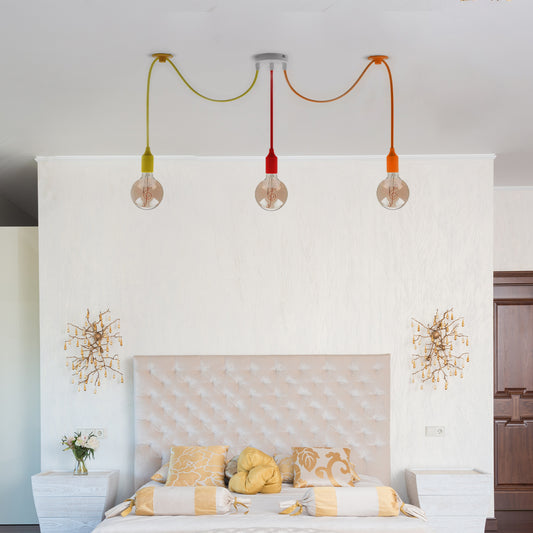
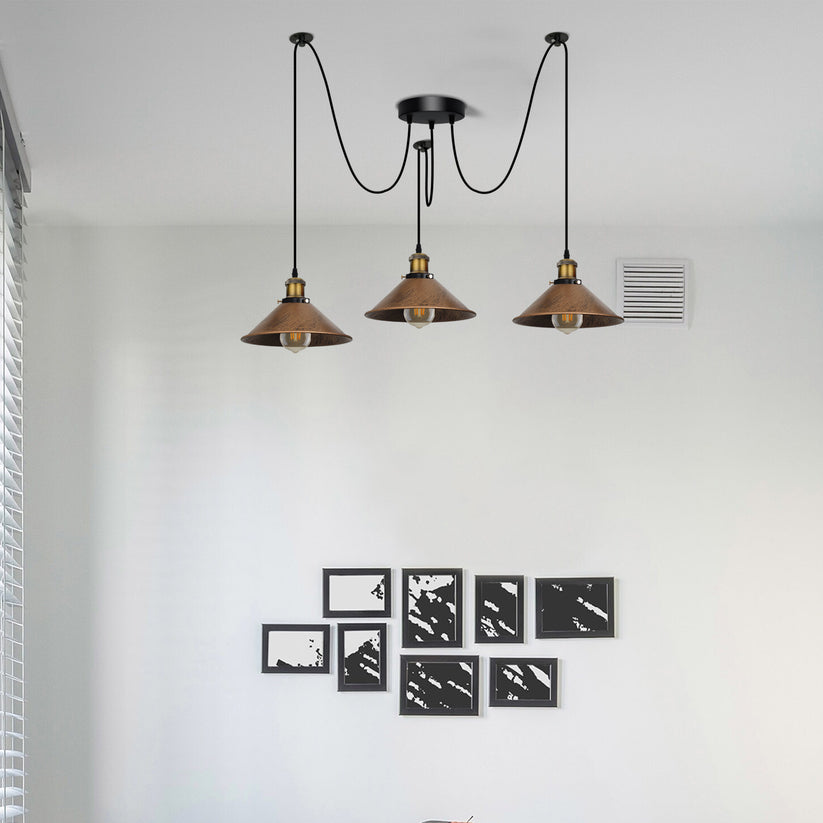
| 3-Arm Spider Pendant | Offers balanced lighting for medium-sized spaces, a popular choice for dining tables. |
| 5-Arm Spider Ceiling Light | Provides extensive coverage, perfect for larger rooms or events. |
| 6-Way Spider Light | Highly adjustable, suitable for creative lighting setups and large areas. |
| 8-Way Spider Light | Maximum coverage and flexibility, ideal for professional studios or grand spaces. |
Key Features To Look For
- Bulb Type: Most modern spider lights use E27 screw bulbs, offering great compatibility with dimmable, smart, or vintage-style E27 LED bulbs.
- Adjustable Arms: Flexible arms or adjustable cable lengths (using ceiling hooks) allow precise positioning.
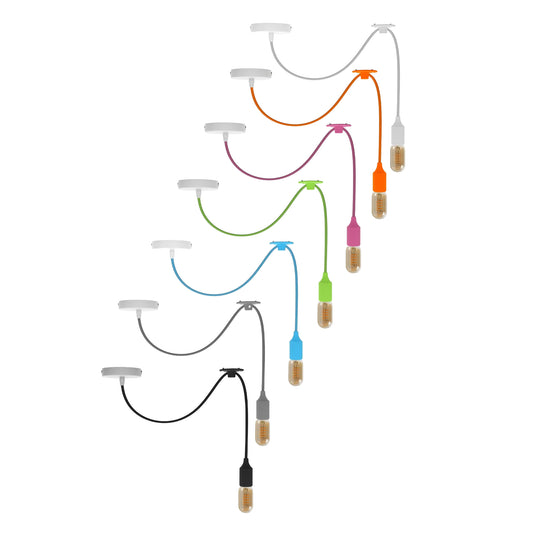
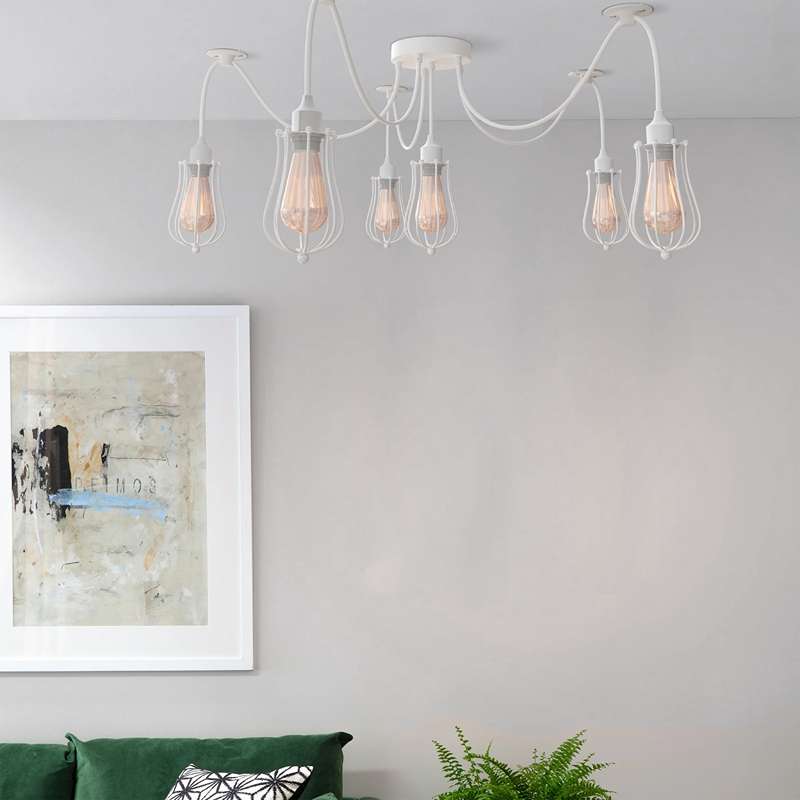
- Material & Finish: Choose from metal, brass, or chrome finishes to match your decor.
- Durability: Ensure the build quality and ceiling mount are robust enough to support the fixture.
How to Choose a Spider Light
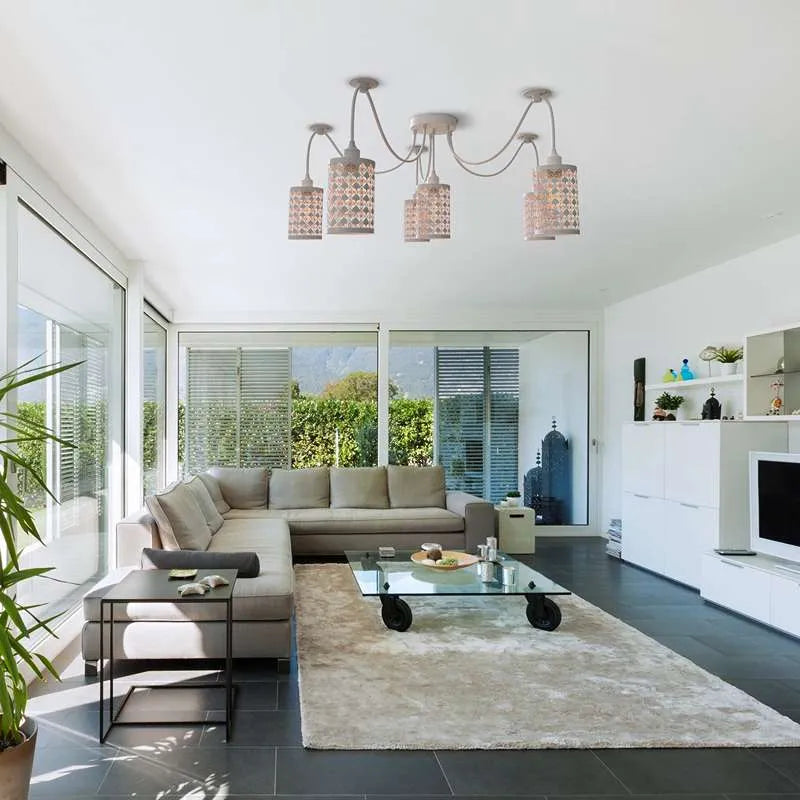
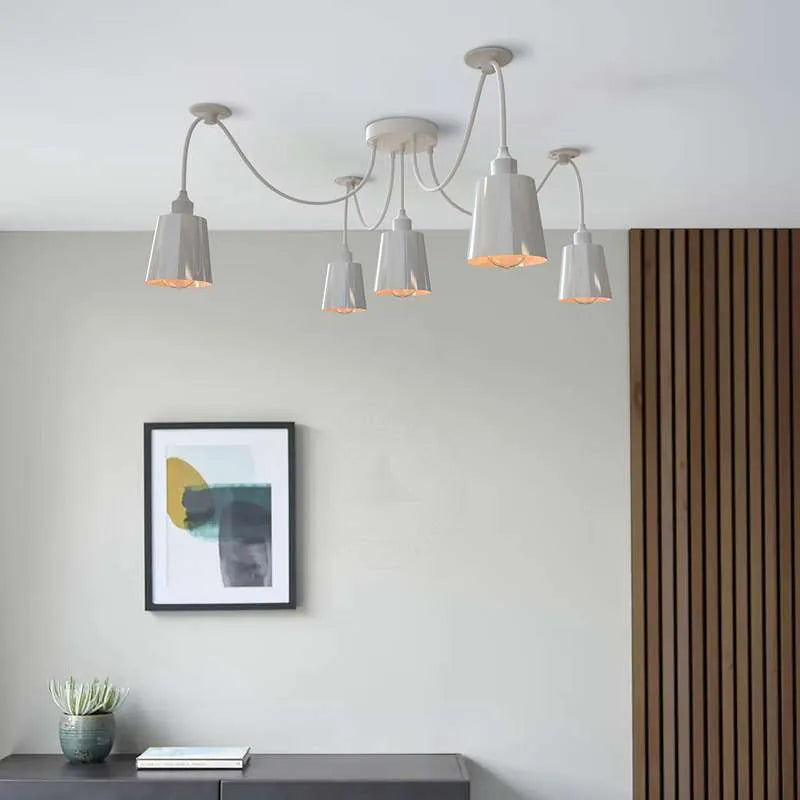
To choose a spider light, match the number of arms to your room size, check your ceiling height and fixing, and pick E27 bulbs that suit your dimmer. A 3-arm suits a small dining table, a 5- or 6-way suits a living room, and an 8-way suits large open spaces. Always confirm the ceiling can support the fixture's weight.
Step-by-Step Buying Checklist
- Measure the room: Small spaces and dining tables suit 2 to 3 arms. Living rooms and open-plan areas suit 5 to 6 arms. Large entrances and event spaces suit 8 arms.
- Check ceiling height: Leave enough clearance to walk beneath the lowest arm. For low ceilings, choose a flush style or shorten the cables.
- Confirm the fixing: Multi-arm fittings are heavier than a single pendant, so make sure the ceiling hook or mount is rated for the weight.
- Choose the right bulbs: Most spider lights take E27 bulbs. Pick dimmable LED bulbs if you want adjustable mood lighting.
- Match the finish: Black, brass, and chrome suit different interiors. Choose one that echoes your existing fittings.
Best Spider Light for a Living Room
For a living room, a 5-way or 6-way spider light gives the widest, most even coverage. Aim individual arms towards seating areas and use dimmable LED bulbs to move from bright evening light to a softer, warmer glow. See our spider light collection for options.
Best Spider Light for a Kitchen
In a kitchen, a 3-arm or 5-arm spider light works well above an island or breakfast bar. Choose a wipe-clean finish and position it away from the hob, where grease and steam can build up on the arms and cables.
Budget-Friendly Spider Lights in the UK
You don't need to spend heavily to get a good spider light. Simple 2- to 3-arm models with E27 fittings are usually the most affordable, and pairing them with efficient LED bulbs keeps running costs low. Browse the full spider light range and filter by arm count and style to compare prices.
What Is an E27 Bulb, and Are E27 Bulbs Dimmable?
An E27 bulb is a bulb with a large Edison screw base, 27mm across ("E" stands for Edison, "27" is the diameter in millimetres). E27 describes only the fitting, not the features, so an E27 bulb is only dimmable if it is labelled "dimmable" on the packaging.
To dim a spider light properly, you need three things: dimmable E27 LED bulbs, a dimmer switch designed for LEDs, and a total bulb wattage within the dimmer's rated range. Using non-dimmable bulbs on a dimmer can cause flickering, buzzing, or a shortened bulb life. Browse our dimmable E27 LED bulbs to find bulbs that suit your fixture.
How to Use Spider Lights
Mastering the use of spider lights can transform any space. Here's how to get the most out of them.
Setting Up for Photography
For photographers, spider lights offer unparalleled flexibility.
- Position the light at a 45-degree angle to the subject for soft, flattering light.
- Use diffusers or aim arms at reflective surfaces to reduce harsh shadows.
Tips for Home & Event Lighting
Whether for interior design or event ambiance, spider lights shine.
- Use as a central fixture over a dining table or kitchen island, adjusting arm lengths for impact.
- Position multiple lights around a large venue for even coverage and a 'wow' factor.
- Use dimmable LED bulbs to control the ambiance, from bright task lighting to a soft, warm glow.
Creative Techniques
Beyond basic illumination, spider lights can be tools for artistic expression.
- Asymmetrical Draping: Arrange the arms in a deliberately random, asymmetrical pattern for an artistic, modern look.
- Color & Style: Mix and match bulb styles (e.g., large globes, vintage Edison) for a unique, eclectic feel.
Ready to find your spider light? Filter by arm count, colour, and style to match your space.
Shop Spider LightsPros and Cons of Spider Lights
Like any lighting solution, spider lights come with their own set of advantages and considerations.
Advantages
- Highly adjustable and versatile for any room or setup.
- Available in various types and configurations to fit any style.
- Creates a strong visual statement and focal point.
- Provides wide, even illumination across a large area.
Limitations
- Installation can be more complex than a standard pendant, especially when arranging multiple arms.
- Requires a sturdy ceiling mount, especially for larger, heavier models.
- May require dusting more often due to the multiple arms and cables.
Maintenance and Care
Proper maintenance ensures the longevity and performance of your spider lights.

Cleaning and Storage
A few simple steps keep your fixtures looking new.
- Wipe down the fixture and bulbs (when cool) with a soft, dry microfiber cloth.
- For stubborn dust, use a duster or a lightly damp cloth, ensuring the power is off.
Why Is My Spider Light Not Working?
If your spider light isn't working, the most common causes are a blown or loose bulb, a tripped circuit breaker, or a bulb that isn't compatible with your dimmer. Work through the checks below before calling an electrician.
- Check the power: Make sure the wall switch is on and the circuit breaker hasn't tripped. Test another light on the same circuit.
- Test the bulbs: Turn the power off, let the bulbs cool, then swap a suspect bulb for one you know works. With several arms, one dead bulb often looks like a whole-fixture fault.
- Check the fitting: Make sure each E27 bulb is screwed in fully and the lampholder contacts are clean.
- Flickering or buzzing: Check the bulbs are marked dimmable and compatible with your dimmer. Non-dimmable bulbs on a dimmer are a common cause.
- Uneven hanging: Re-adjust the ceiling hooks or cable grippers so all arms hang as intended.
If none of these fix the problem, switch the power off at the consumer unit and have a qualified electrician inspect the wiring and ceiling connection. Never open the canopy while the power is on.
Frequently Asked Questions
What is the best spider light for beginners?
A 3-arm or 5-arm spider light from Ledsone is a great starting point. It offers a fantastic visual impact without being as complex to install as larger 8-way models.
Can spider lights be used on low ceilings?
Yes, they can. You can opt for a "flush mount" style where the arms radiate outwards, or keep the cables very short. They are surprisingly versatile for different ceiling heights.
How do I choose the right bulbs?
Look for E27 bulbs, which are the most common fit. We highly recommend LED filament or Edison-style bulbs to complete the look. Ensure you choose dimmable bulbs if you plan to use a dimmer switch.
Are LED spider lights better than older styles?
LED-compatible lights are far more energy-efficient, produce significantly less heat, and the bulbs last much longer. This makes them the ideal, cost-effective, and safe choice for most applications.
Do spider lights need a ceiling rose?
Most spider ceiling lights come with their own canopy or ceiling rose included, so a separate one usually isn't required. Always check the included parts list before installation, and have the wiring connected by a qualified electrician.
How many watts do spider lights use?
It depends on the bulbs you fit rather than the fixture itself. Since most spider lights take E27 bulbs, a 5–9W LED bulb per arm is typical, giving strong overall brightness while keeping running costs low.
Are E27 bulbs dimmable?
Only if they are labelled dimmable. E27 refers to the screw fitting size, not the bulb's features. For dimming you need a dimmable E27 LED bulb and a dimmer switch compatible with LEDs.
How do I choose a spider light for my room?
Match the arm count to the room: 2 to 3 arms for small spaces, 5 to 6 for living rooms, and 8 for large areas. Then check the ceiling height, confirm the ceiling can support the weight, and pick bulbs that suit your dimmer.
Why is my spider light not working?
Check the wall switch and circuit breaker first, then test the bulbs and make sure each one is seated properly. If the light flickers on a dimmer, the bulbs may not be dimmable. If none of this helps, have a qualified electrician inspect the wiring.
What is the best spider light for a kitchen?
A 3-arm or 5-arm spider light over an island or breakfast bar suits most kitchens. Choose a wipe-clean finish and keep it away from the hob to limit grease build-up.