
Indoor Lighting
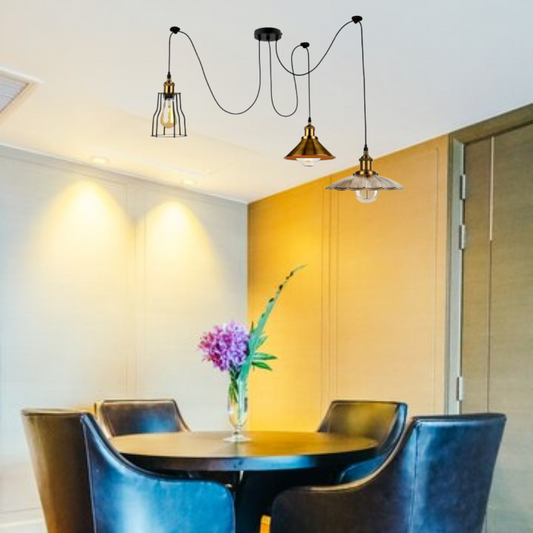
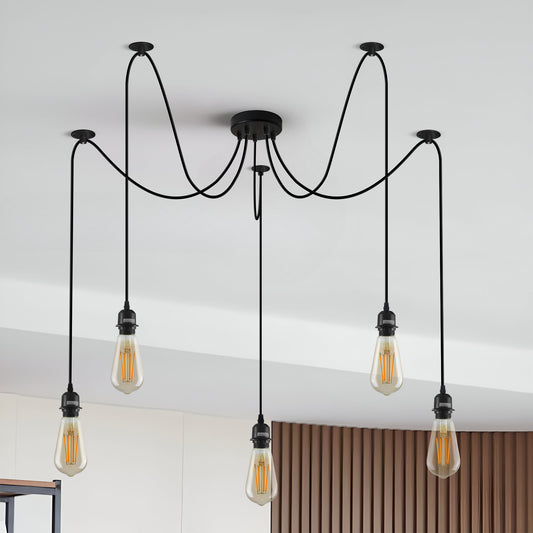
Black Pendant Light Spider with Rubber Cable Metal Lamp Holder~1122
Regular price
£40.39 GBP
Sale price
In Stock
-15%
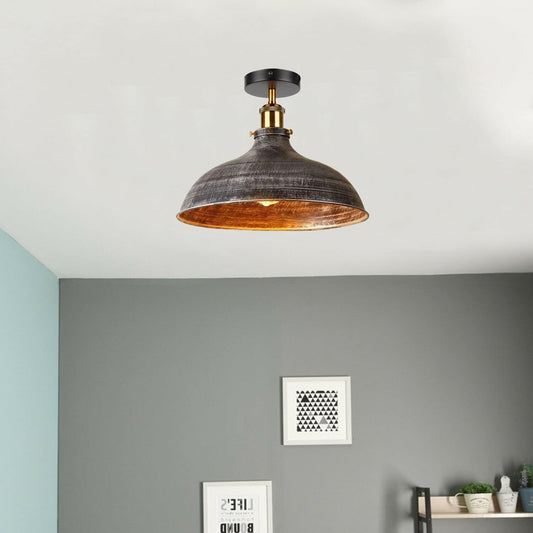
Vintage Semi Flush Mount Metal pendant ceiling Indoor light ~1300
Regular price
£21.79 GBP
Sale price
£25.49 GBP
In Stock
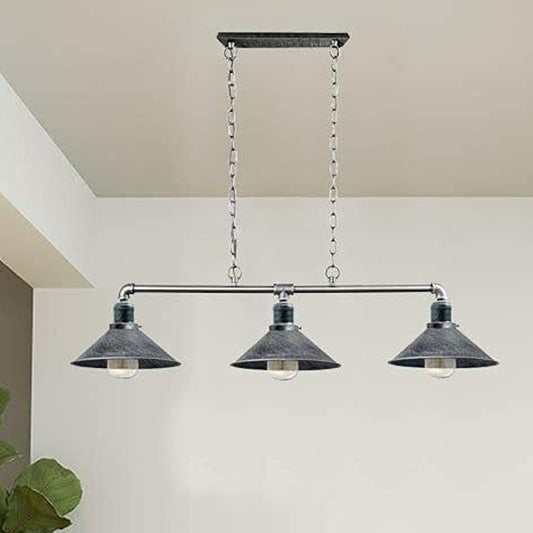
-20%
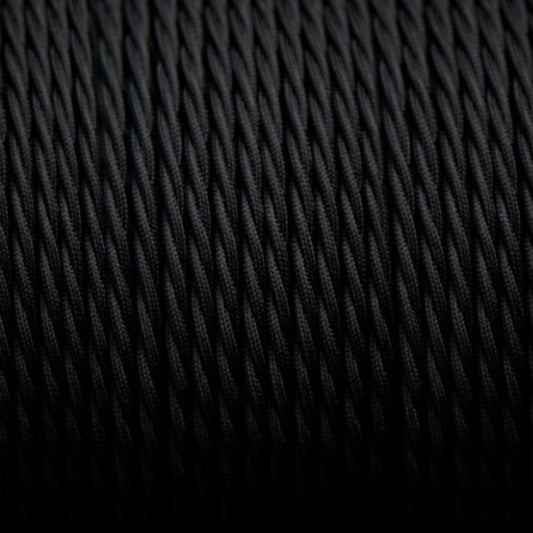
1m/3m/5m/10m 2 Core Twisted Black Fabric Flexible Decorative Cable~4756
Regular price
£2.39 GBP
Sale price
£2.99 GBP
In Stock
-20%
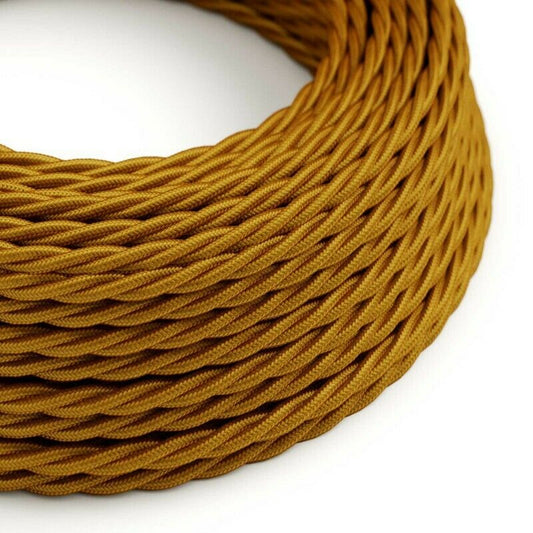
1M/5M/10M 3 Core Vintage Twisted Gold Fabric Cable for Pendant & DIY Projects~3058
Regular price
£2.23 GBP
Sale price
£2.79 GBP
In Stock
-20%

Industrial Steampunk 3 Way Ceiling Lights Black ~901
Regular price
£41.99 GBP
Sale price
£52.49 GBP
In Stock

Black Birds Resin Crow LED Lamp E27 Base Modern Art Deco Design ~4779
Regular price
£15.69 GBP
Sale price
£0.00 GBP
In Stock

Industrial 2 Pack Metal Cone Flush Mount Light E27 Fitting~6520
Regular price
£22.40 GBP
Sale price
£0.00 GBP
In Stock
-17%
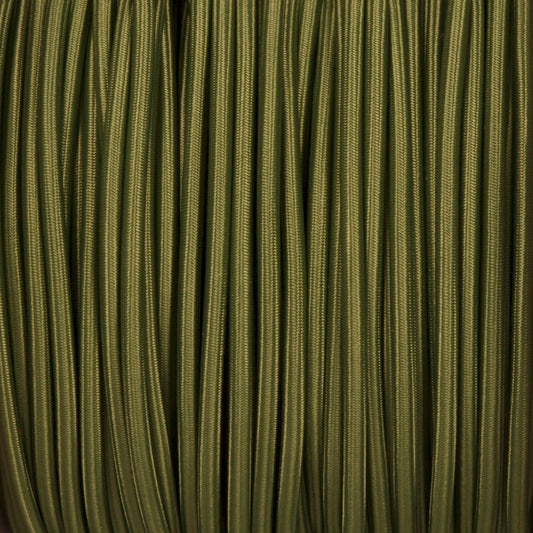
3 Core Round Braided Army Green Fabric Lighting Cable 1M/5M/10M~3184
Regular price
£2.79 GBP
Sale price
£3.35 GBP
In Stock
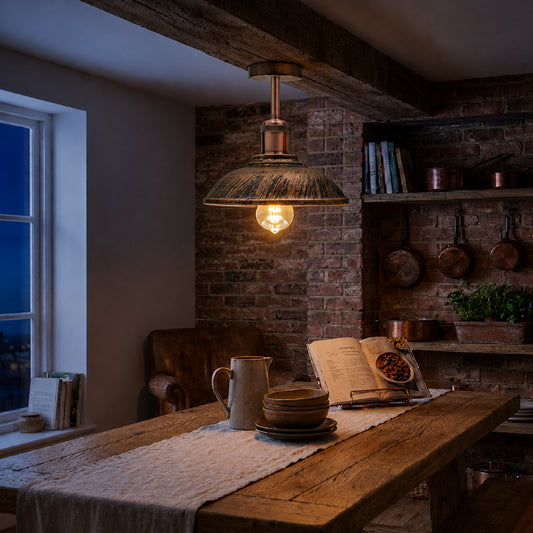
Vintage Semi Flush Ceiling Light Industrial Metal Bowl Fitting E27~1833
Regular price
£18.29 GBP
Sale price
£0.00 GBP
In Stock
-17%
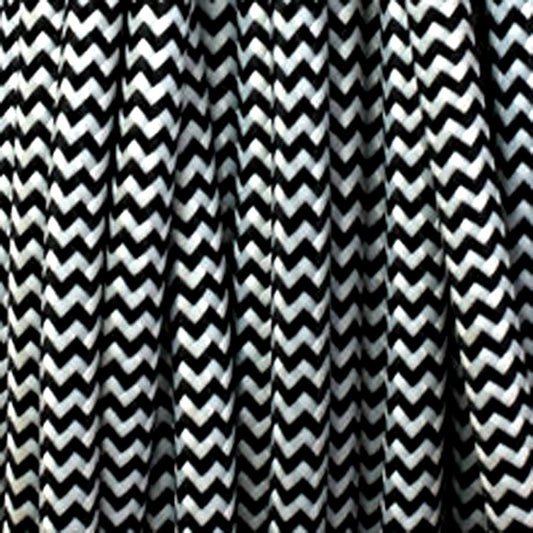
1M/5M/10M 3 Core Black and White Fabric Lighting Cable Round Braided ~3186
Regular price
£2.39 GBP
Sale price
£2.87 GBP
In Stock
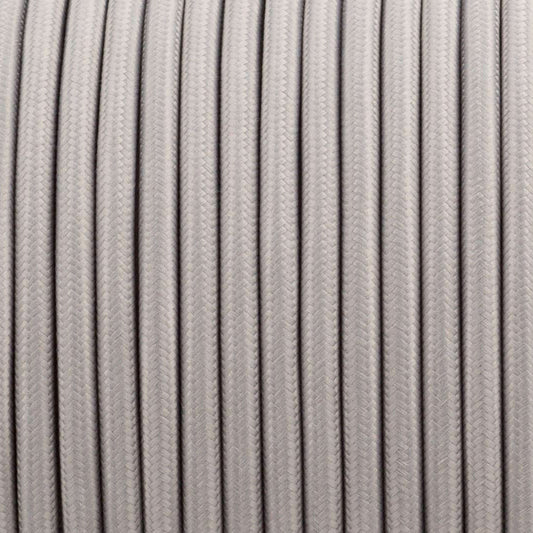
1M/5M/10M 3 Core Vintage Round Braided Grey Fabric Lighting Decorative Cable~3040
Regular price
£2.39 GBP
Sale price
£0.00 GBP
In Stock
-20%
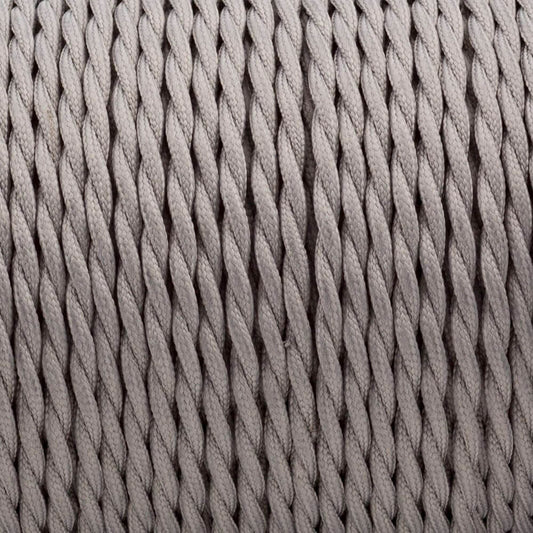
Grey 2 Core 1m/2m/5m/10m Decorative Twisted Fabric Lighting Cable~1765
Regular price
£2.39 GBP
Sale price
£2.99 GBP
In Stock
-10%
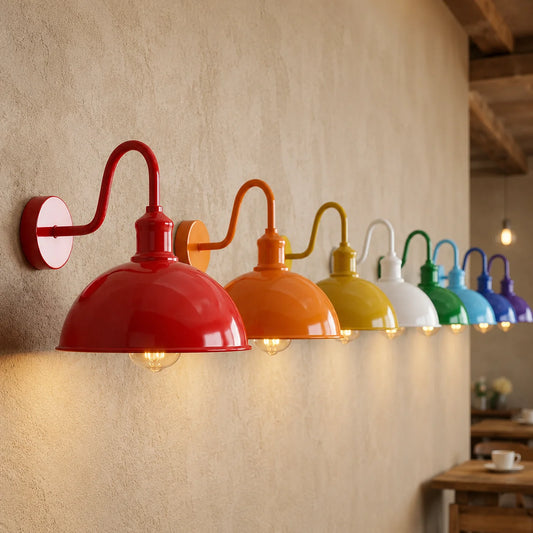
Vintage Industrial Wall Sconces Metal E27 Indoor Lamp Dome ~ 5705
Regular price
£17.54 GBP
Sale price
£19.59 GBP
In Stock
-22%
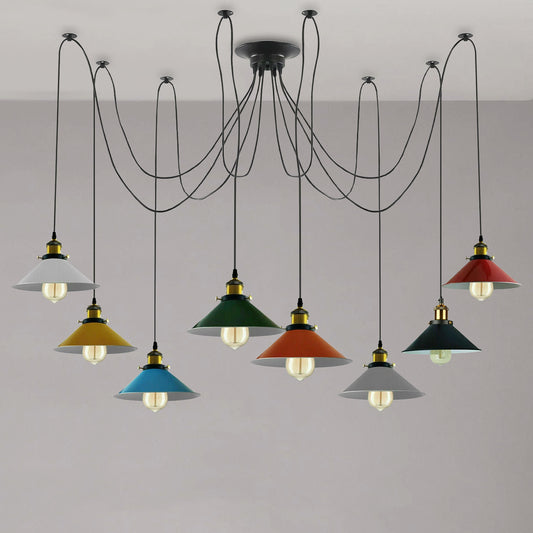
Industrial Spider Pendant Light 8-Way E27~3525
Regular price
£87.19 GBP
Sale price
£112.19 GBP
In Stock
-10%

Modern Industrial Semi Flush Mount Metal Ceiling Light~1228
Regular price
£15.19 GBP
Sale price
£16.89 GBP
In Stock
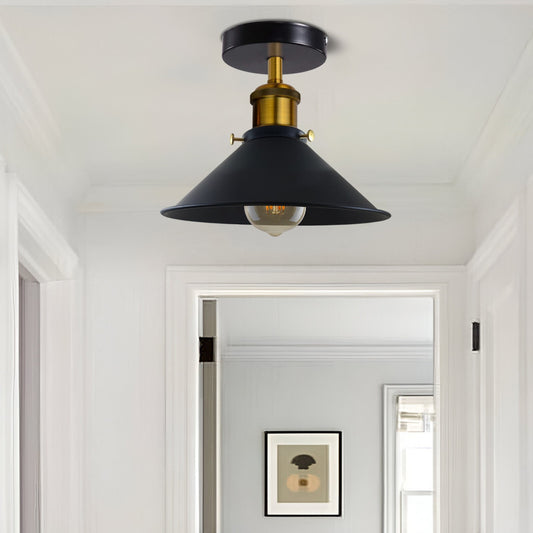
Conical Flush Mount Metal Ceiling Light ~ 5028
Regular price
£17.89 GBP
Sale price
£0.00 GBP
In Stock
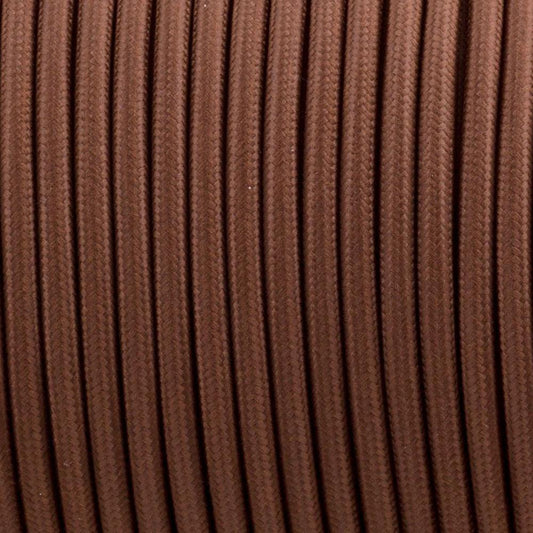
1M/5M/10M Vintage Style 3 Core Brown Fabric Round Cable ~3034
Regular price
£2.79 GBP
Sale price
£0.00 GBP
In Stock
-18%
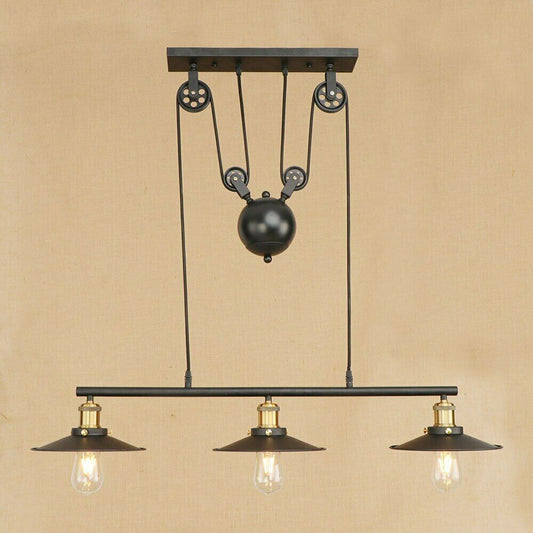
Pulley Light & Pulley 3 Pendant Light Fixture~3449
Regular price
£78.89 GBP
Sale price
£95.87 GBP
In Stock
-8%
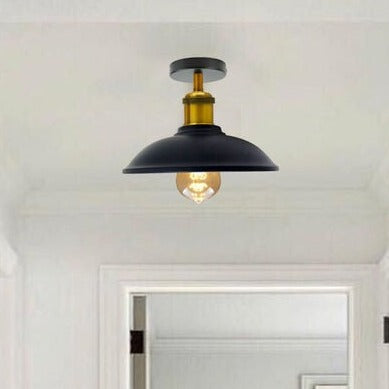
Semi Flush Vintage Metal Ceiling Light E27 Industrial Style~1229
Regular price
£18.29 GBP
Sale price
£19.85 GBP
In Stock
-17%

Adjustable Hemp Rope Swan Neck Wall Lamp | Industrial Vintage Sconce ~4550
Regular price
£17.79 GBP
Sale price
£21.35 GBP
In Stock
-14%
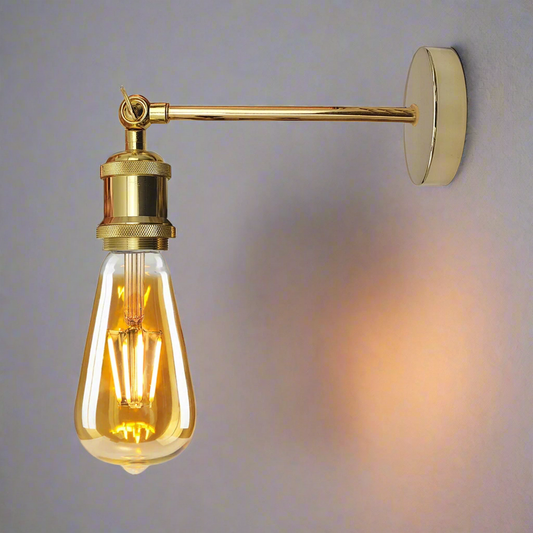
Industrial Wall Light E27 Vintage Metal Sconce with Adjustable Arm~5770
Regular price
£11.89 GBP
Sale price
£13.89 GBP
In Stock
-20%
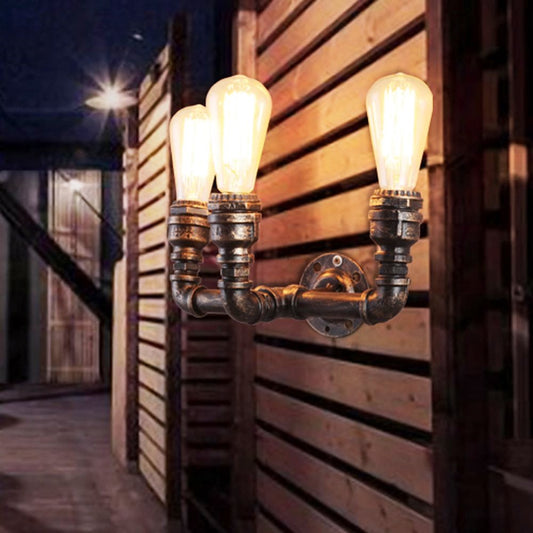
Industrial Water Pipe Wall Light 3-Way Steampunk Iron Metal Fitting ~2890
Regular price
£23.89 GBP
Sale price
£29.89 GBP
In Stock
Pendant Lighting · UK Buying Guide
How High Should Pendant Lights Hang? The Complete UK Drop Height & Sizing Guide
The exact centimetres, formulas and wiring know-how for pendant lights over any table, island or bed — no guesswork, no measuring tape drama.
Pendant lights are one of the fastest ways to transform a room — but they're also one of the easiest to get wrong. Hang one too low and it blocks conversation across the table. Too high, and it stops doing its job entirely. Too small for the room, and even a beautiful fitting looks like an afterthought.
This guide pulls together the exact measurements, formulas and buying rules for every stage of choosing pendant lighting — from a single fitting above a bedside table to a five-light cluster over a kitchen island. Looking for style inspiration instead? See our Pendant Lights Style Guide for industrial, rattan and minimalist looks. Here, we're focused purely on getting the size and placement right.
Jump to a section
What's the right drop height for pendant lights above a table?
Hang the bottom of the pendant 75–90cm above the tabletop for a standard 2.4m ceiling. That's the range that keeps the light low enough to create a warm pool over the table, while staying above eye level when seated.
The exact number within that range depends on three things:
- Ceiling height: for every 30cm of ceiling above the standard 2.4m, add roughly 7–8cm to the drop.
- Fixture size: smaller, delicate pendants sit better around 75cm; larger, sculptural shades can hang closer to 90cm without feeling low.
- The mood you want: 75–80cm reads as cosy and intimate; 85–90cm feels more open and works well for entertaining.
The sightline test
Before committing to a fixing point, hang the pendant temporarily (or hold it in place) and sit down at the table. If the shade blocks eye contact with the person opposite, raise it. If the tabletop still looks dim or the fitting feels disconnected from the table, lower it slightly. This one check catches more measurement mistakes than any formula.
Note: always measure from the tabletop to the lowest point of the fixture — not from the ceiling.
What size pendant light do I need for my room?
Add your room's length and width in metres — that number is a sensible starting diameter in centimetres. A 3m × 3.5m room, for example, points to a fitting around 65cm in diameter as a ceiling-mounted central light.
For pendants specifically (rather than flush ceiling lights), size down slightly from that formula so the fitting doesn't dominate the room, especially in bedrooms:
| Room size | Suggested pendant diameter |
|---|---|
| Small bedroom (7.5m²) | 20–25cm |
| Standard bedroom (9m²) | 25–30cm |
| Larger bedroom (10.5m²+) | 30–35cm |
| Small dining table (4-seat) | 30–40cm single pendant |
| Large dining table (6–8 seat) | 45–60cm single pendant, or a linear/multi-light fitting |


What type of pendant works best over a dining table?
The right style depends far more on your table's shape than personal taste alone — matching the two makes the whole scheme feel intentional. Browse Ledsone's pendant lights collection filtered by shape to see options for each table type below.
- Large single pendant: ideal over round or square tables. Choose a broad, sculptural shade so it reads as a genuine focal point rather than an accessory.
- Linear pendant: the natural choice for long rectangular tables — it distributes light evenly along the length rather than pooling it in the centre.
- Three-light pendant: a versatile middle ground for medium-to-large rectangular tables, giving even illumination with a pleasing rhythm.
- Cluster of small pendants: the most flexible option — works over round, square or rectangular tables and adds visual interest through varied heights.
How many pendant lights do I need over a kitchen island?
Roughly one pendant per 75–90cm of island length — but treat this as a starting point, not a rule. A single oversized fitting can often make a stronger, more intentional statement than several small ones.
| Island length | Typical arrangement |
|---|---|
| Up to 1.5m | 2 pendants |
| 2–2.5m | 3 pendants |
| 3m+ | 4–5 smaller pendants, or one long linear fitting |
Keep the same 75–90cm-above-worktop drop height as the dining table rule above, and centre the group (or fitting) over the island rather than the room. For pre-matched island sets, see Ledsone's kitchen island pendant lighting.
How do I get a designer cluster-pendant look on a budget?
The trick isn't buying an expensive fitting — it's making an affordable arrangement look considered:
- Choose 3–5 pendants rather than one statement chandelier. Simple glass globes, opal shades or textured ceramic work well, and odd numbers tend to look more deliberate than even ones.
- Keep the palette tight. Black + clear glass reads modern/industrial; brushed brass + opal glass reads sophisticated and warm.
- Vary the heights slightly. A staggered cluster — rather than a perfectly level row — is what separates a "designer" look from a builder-grade multi-light bar.
Ledsone's Glow Up Collection is built for exactly this — vintage-style shades and plug-in-ready pendant kits designed to be mixed and clustered.
Ceiling roses and cable management: what should I know?
A pendant is really a small system of five compatible parts: the ceiling rose, flex, lampholder, shade and bulb. Getting the rose and cable right finishes the look properly rather than leaving it feeling unresolved.
- Ceiling rose: for a typical UK domestic install, a 3-plate rose accommodates the common loop-in wiring arrangement. If replacing an existing rose, check how the current wiring is configured before buying.
- Cable as a feature, not a flaw: a braided or textile flex in black, natural or a bold colour can complement the shade rather than needing to be hidden — especially effective with industrial-style fittings.
- A larger decorative rose is the simplest way to give a clean, finished appearance where the flex meets the ceiling.
Shop 3-plate roses and coordinating flex in Ledsone's pendant holders & fittings collection.
How do I avoid harsh shadows and glare from pendant lighting?
Overhead pendants can create hard-edged shadows if used as the only light source in a room. Three fixes work together:
- Choose a diffusing shade — frosted or opal glass, fabric, or paper spreads light and softens shadow edges. If you love exposed-bulb pendants, use a frosted bulb rather than clear filament.
- Don't rely on the pendant alone. Add wall lights, floor or table lamps so light comes from multiple directions and fills in shadows the overhead fitting creates.
- Fit a dimmer. A dimmable LED lets you soften intensity for evenings without needing a second fitting.
What separates a genuinely high-quality LED pendant from a cheap one?
Look for CRI 90+ and the right colour temperature for the room — these two specs affect how a fitting actually looks and feels in daily use far more than shade material or finish.
- CRI (Colour Rendering Index): 80+ is acceptable for general domestic use, but 90+ makes food, wood tones, fabrics and skin tones look noticeably more natural — worth prioritising over dining tables especially.
-
Colour temperature:
- 2700K — warm and cosy; ideal for living rooms and bedrooms
- 3000K — warm but cleaner; an excellent all-rounder for kitchens and dining areas
- 3500–4000K — more neutral; better suited to work-focused spaces like a home office
- Dimmer compatibility: confirm the fitting and bulb are rated for use with your dimmer type to avoid flickering or buzzing.
Prefer 2700–3000K for the majority of UK living and dining spaces — it's the range that reads as "warm" without looking dim or yellow.
How do I coordinate pendant lights across adjoining rooms?
Think "sisters, not twins" rather than matching every fitting identically:
- Repeat one thread — usually the metal finish (brushed brass throughout, or matt black throughout) — and let the shape or shade vary between rooms.
- Prioritise what's visible together. If you can see the dining pendant from the living room through an opening, treat those two as a matched pair. Rooms separated by a solid door have more design freedom.
- In an open kitchen-diner, a simple globe or linear pendant in the kitchen paired with a statement cluster over the dining table — sharing the same finish — reads as one cohesive scheme rather than two competing ones.
Ready to shop the look?
Browse Ledsone's full range of pendant lights, from single statement fittings to cluster-ready sets — filtered by finish, size and colour temperature.
Shop Pendant LightsNot sure which style fits your décor? Our Pendant Lights Style Guide covers industrial, rattan, minimalist and glass looks room by room.
Quick reference cheat sheet
| Question | Quick answer |
|---|---|
| Drop height above a table | 75–90cm above the tabletop |
| Pendant diameter for a room | Room length + width (m) ≈ diameter (cm), sized down for bedrooms |
| Pendants per kitchen island | 1 per 75–90cm of island length |
| Best colour temperature | 2700–3000K for living/dining/bedrooms |
| CRI to look for | 90+ for the most natural colour rendering |
| Ceiling rose for UK homes | 3-plate rose for standard loop-in wiring |
Frequently asked questions
How can I pick the right drop height for pendant lights above a table?
Hang the bottom of the pendant 75–90cm above the tabletop for a standard UK ceiling height, adjusting upward for higher ceilings and always checking the sightline while seated.
What types of pendant lights work best over a dining table?
A large single pendant suits round or square tables, a linear fitting suits long rectangular tables, and a cluster of small pendants offers the most flexibility across table shapes.
How do I choose statement pendant lighting for over a kitchen island?
Match pendant count to island length — roughly one fitting per 75–90cm — or consider one oversized sculptural pendant for a bolder, more intentional look.
How do I pick the right size pendant light for a small UK bedroom?
For bedrooms under around 10m², a pendant of 20–30cm diameter keeps proportions balanced without dominating the room.
What are the most important features of a high-quality LED pendant light?
Prioritise a CRI of 90 or above and a colour temperature suited to the room — 2700–3000K for most living and dining spaces — over shade material or finish alone.