
decorative lighting cable
-17%
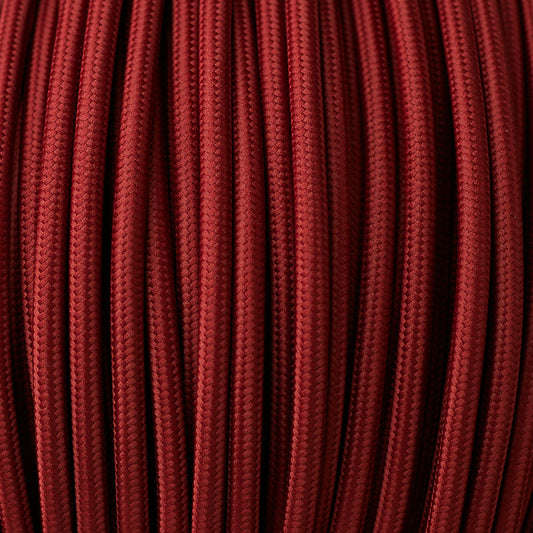
Burgundy 3 Core Round Fabric Lighting Cable Vintage 0.75mm Flex~3190
Regular price
£9.89 GBP
Sale price
£11.87 GBP
In Stock
Decorative lighting cable
So, you're looking to spruce up your place with some nice lighting, but you want it to look good too? That's where decorative electric cable comes in. It's not just about getting the lights to work; it's about making the whole setup a bit of a feature. Whether you're going for a vintage vibe or something more modern, the cable itself can add a lot to the look. We'll cover what to think about when picking one out, where you can get it, and how to keep it looking its best.
Key Takeaways
- When choosing decorative electric cable, think about the materials and how long they'll last, as well as the colours and finishes available to match your style.
- Decorative electric cable can be used in all sorts of places, from inside your home to outdoor spaces and even in shops to create a certain mood.
- Always make sure your decorative electric cable is installed safely, following any rules and getting professional help if you're not sure.
- There are many styles of decorative electric cable, including old-fashioned designs, sleek modern ones, and cables with interesting textures or braids.
- You can find decorative electric cable from specialist shops, online, or sometimes in bulk if you've got a big project planned.
Choosing Your Decorative Electric Cable
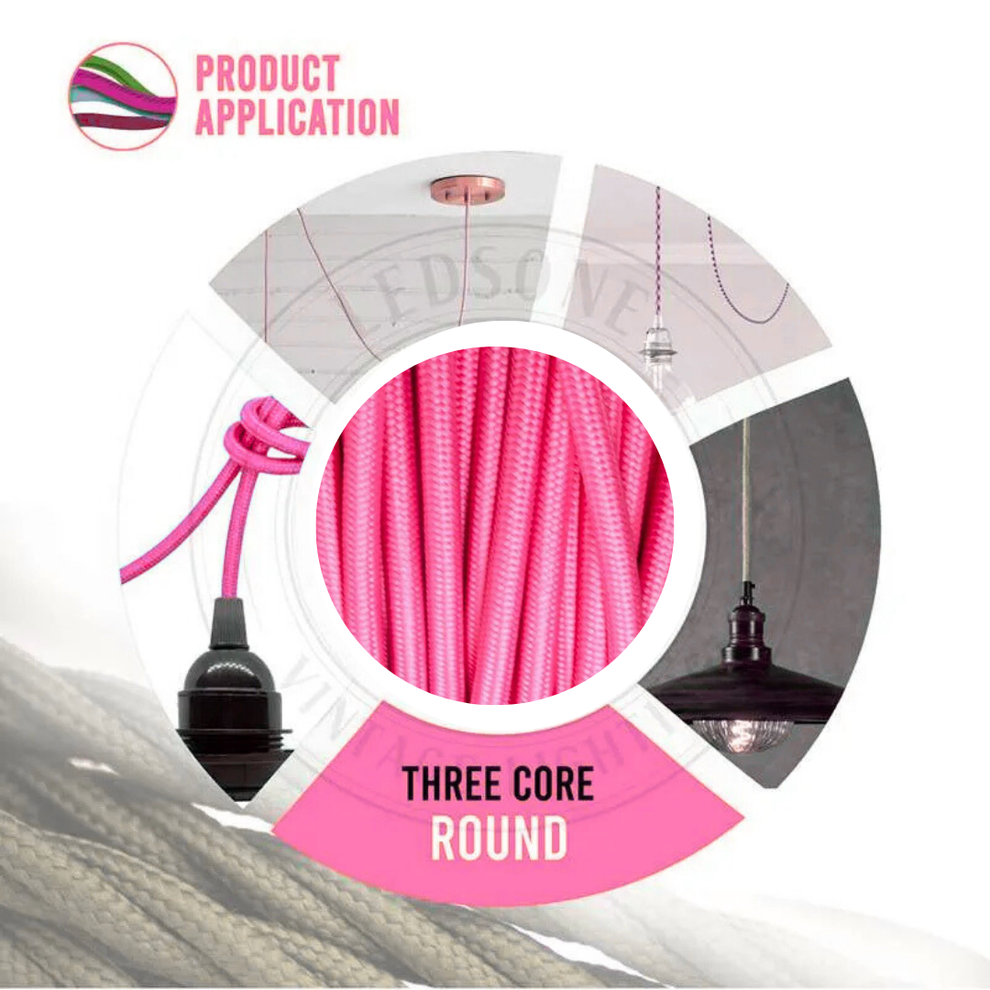
Right then, picking the right decorative electric cable can feel a bit like choosing a new outfit – you want it to look good, but it also needs to do the job properly. It’s not just about the colour, though that’s a big part of it. We need to think about what the cable is actually made of, how long it’s going to last, and what sort of finish will best suit your style. Getting these basics sorted means your lighting will look great and be safe for years to come.
Understanding Cable Types
When you're looking at decorative cables, you'll mostly come across a few main types. The most common is PVC-sheathed cable, which is pretty flexible and comes in loads of colours. Then there's fabric-covered cable, often called braided cable. This gives a more vintage or textured look and can feel a bit more premium. Some cables are also rubber-insulated, which makes them more robust and suitable for tougher environments, though they might be a bit thicker.
Material and Durability
The material really matters for how long your cable will last and how it will hold up. PVC is generally good for indoor use and is easy to clean. Fabric covers, while stylish, might need a bit more care and could be more prone to snagging if not installed carefully. For areas that might get damp or are outdoors, you'll want to look for cables with better weather resistance, often indicated by specific IP ratings, though for purely decorative indoor use, this is less of a concern.
Colour and Finish Options
This is where you can really get creative. Cables come in pretty much every colour you can imagine, from classic black and white to bright reds and blues, or even subtle pastels. The finish can also vary – you might find smooth, matte, or even metallic finishes. Braided cables offer a whole different texture, often in classic materials like cotton or silk-effect synthetics. Think about the overall look you're going for. Do you want the cable to blend in, or be a feature in itself?
Don't forget to check the cable's specifications for its voltage and amperage rating. Even though it looks nice, it still needs to be suitable for the light fitting you're using it with. Safety first, always.
Here's a quick look at some common cable types and their typical uses:
| Cable Type | Common Materials | Typical Finish | Best For |
|---|---|---|---|
| PVC-sheathed | PVC | Smooth, Matte | General indoor use, modern designs |
| Fabric-covered | Cotton, Silk-effect | Braided, Textured | Vintage, retro, statement pieces |
| Rubber-insulated | Rubber | Matte | Workshops, kitchens, areas needing flex |
Applications for Decorative Electric Cable
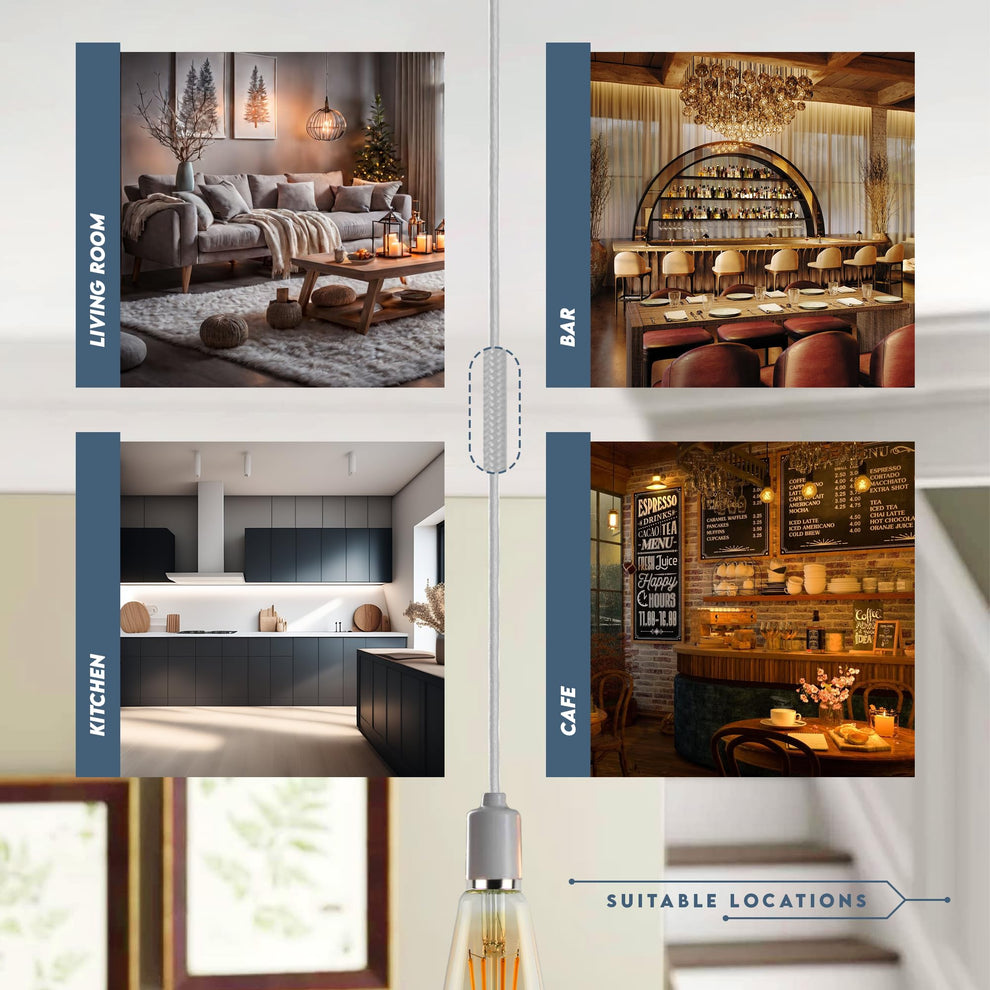
Decorative electric cable isn't just about making things look pretty, though that's a big part of it. It's about how you can use these cables to really change the feel of a space, whether that's your own home or somewhere you're visiting.
Illuminating Living Spaces
Think about your living room, kitchen, or even your bedroom. Instead of just hiding cables, you can make them a feature. Imagine a pendant light over your dining table, with a brightly coloured braided cable dropping down. Or maybe you've got a reading nook and want a stylish lamp; a vintage-style fabric cable can add a lot of character. It's a simple way to add a personal touch.
-
Living Rooms: Use colourful cables for floor lamps or string lights to add a pop of colour.
-
Kitchens: Consider fabric-covered cables for pendant lights over an island, matching your decor.
-
Bedrooms: Opt for softer, muted tones or textured cables for bedside lamps to create a calming atmosphere.
-
Home Offices: A sleek, modern cable can complement a minimalist desk setup.
Using decorative cables can transform functional elements into design statements. It's about seeing the potential in everyday items to contribute to the overall aesthetic.
Enhancing Outdoor Areas
Don't forget about your garden, patio, or balcony. With the right type of cable, you can bring light and style to your outdoor spaces. Think about string lights for summer evenings or a stylish lantern on your patio. Just make sure any cable used outdoors is rated for that purpose – you don't want any nasty surprises.
-
Patios & Decks: Weather-resistant cables for string lights or wall-mounted fixtures.
-
Gardens: Durable cables to power outdoor lamps or decorative features.
-
Balconies: Flexible cables for temporary lighting solutions or permanent installations.
Creating Ambiance in Commercial Settings
Businesses can really benefit from using decorative cables too. In cafes, restaurants, or shops, the right lighting and cable choices can make a huge difference to the customer experience. A quirky cafe might use brightly coloured cables to match its brand, while a more upscale restaurant might opt for elegant, dark fabric cables to create a sophisticated mood. It's a small detail that can have a big impact on the overall vibe.
-
Cafes & Restaurants: Use cables to highlight seating areas or create a unique look for pendant lights.
-
Retail Stores: Employ cables to draw attention to displays or create an inviting atmosphere.
-
Hotels & Bars: Incorporate stylish cables into lobby lighting or bar areas for a touch of class.
Safety and Installation of Decorative Electric Cable
Right then, let's talk about making sure your fancy new lighting cable is not only pretty but also safe. It's easy to get caught up in the aesthetics, but the electrical side of things is super important. You don't want a fire hazard or a nasty shock just because you wanted a cool-looking wire.
Adhering to Electrical Regulations
First off, you've got to make sure whatever you're using meets the UK's electrical standards. This isn't just a suggestion; it's the law. Look for the CE mark, which shows it conforms to EU safety standards, and also check for British Standards (BS) markings where applicable. Using cable that doesn't meet these could be really dangerous and might even invalidate your home insurance if something goes wrong. It's worth spending a bit of time checking the packaging or asking the seller if you're unsure. Don't cut corners on safety regulations.
Professional Installation Guidance
While some decorative cables might seem straightforward to connect, especially if you're just replacing an old one on a lamp, it's always best to get a qualified electrician involved if you're doing anything more complex. This is particularly true if you're running new circuits, wiring into mains power, or working outdoors. They know all the ins and outs of wiring regulations, can spot potential problems you might miss, and will make sure everything is done properly and safely. It might cost a bit more upfront, but it's a small price to pay for peace of mind.
Ensuring Proper Insulation and Protection
Your decorative cable needs to be properly insulated and protected from damage. This means making sure it's not pinched, frayed, or exposed to anything that could degrade it, like excessive heat or moisture, especially if it's going outdoors. If you're running cables through walls or floors, they need to be in appropriate conduit. For any connections, use proper junction boxes and connectors – no dodgy tape jobs allowed! Think about how the cable will be used and where it will sit. Will it be somewhere it could get trodden on? If so, you'll need to protect it. A good rule of thumb is to keep cables away from heat sources and out of reach where possible.
Here's a quick checklist for installation:
-
Check the cable's rating: Make sure it's suitable for the intended use (indoor/outdoor, voltage, current).
-
Secure the cable: Use appropriate clips or ties to keep it tidy and prevent strain on connections.
-
Protect from damage: Shield cables in high-traffic areas or where they might be exposed to the elements.
-
Use correct fittings: Always use plugs, sockets, and connectors that are rated for the job and properly installed.
When you're choosing decorative cable, remember that its primary function is to carry electricity safely. While its appearance is a big part of its appeal, never let aesthetics compromise the integrity of the electrical installation. Always prioritise safety and compliance with current regulations.
Styles and Aesthetics of Decorative Electric Cable
When you're looking to add a bit of flair to your lighting setup, the cable itself can be a real design feature. It's not just about the bulb or the fixture anymore; the wire connecting them can totally change the vibe of a room. There's a huge range of styles available, from the super old-school to the sleek and modern.
Vintage and Retro Cable Designs
If you're going for that classic, lived-in look, vintage-style cables are the way to go. Think fabrics that look like they've been around for ages, often with a braided or woven texture. These are brilliant for pendant lights over a kitchen island or for creating a cosy reading nook. They really bring a sense of history and warmth.
-
Braided Cotton: Often comes in neutral colours like cream, grey, or black, but you can find brighter options too.
-
Textured Weave: Gives a slightly more robust feel, sometimes with a subtle sheen.
-
Twisted Fabric: A classic look that exposes the inner wires, giving an industrial or art deco feel. You can find both 2-core twisted and 3-core twisted options.
Modern and Minimalist Cable Choices
On the flip side, if your decor is more contemporary, you'll want cables that blend in or make a subtle statement. These often feature smooth finishes and clean lines. They're perfect for spaces where you want the light fixture to be the star, and the cable just a supporting actor.
-
Smooth PVC: Available in a vast array of colours, from stark white and black to vibrant hues.
-
Silicone: Offers a slightly matte finish and good flexibility, often in muted or pastel shades.
-
Flat Cables: These can be useful for running along walls or under furniture without being too noticeable.
Textured and Braided Cable Finishes
This is where things get really interesting. The texture and finish of the cable can add a tactile and visual dimension that plain cables just can't match. It's a small detail, but it makes a big difference.
Here's a quick look at some common finishes:
| Finish Type | Common Materials | Best For |
|---|---|---|
| Braided | Cotton, Silk, Rayon | Vintage, industrial, statement pieces |
| Woven | Polyester, Nylon | Modern, subtle texture, durability |
| Twisted | Fabric, Rubber | Retro, exposed wiring, art deco |
| Smooth | PVC, Silicone | Minimalist, clean lines, colour accents |
Choosing the right cable finish can really tie a lighting scheme together. It's about considering the overall aesthetic you're aiming for and how the cable will interact with its surroundings. Don't underestimate the power of a well-chosen wire!
Where to Source Decorative Electric Cable
Right then, you've decided to go for it and get some snazzy decorative cable. That's the easy part, really. The trickier bit is actually finding the stuff. You can't just pop down to any old hardware shop and expect to find a rainbow of braided flex.
Specialist Lighting Retailers
These are your go-to places if you're after something a bit special. Think independent lighting shops or places that focus on vintage or designer lighting. They often have a curated selection of cables in all sorts of colours and finishes, from classic fabric-covered ones to more modern, sleek options. The staff usually know their stuff too, so you can ask for advice if you're not sure what you need.
Online Marketplaces for Electrical Supplies
This is where you'll likely find the best variety and often the best prices, especially if you're buying a decent length. Websites dedicated to electrical components, lighting parts, or even general DIY supplies will have a huge range.
Here's a rough idea of what you might find:
| Cable Type | Typical Price Range (per metre) | Minimum Order Quantity |
|---|---|---|
| Fabric Braided | £1.80 - £3.50 | 1 metre |
| Rubberised | £1.50 - £2.80 | 1 metre |
| Silicone Insulated | £2.00 - £4.00 | 5 metres |
It's always worth comparing prices across a few different sites. You might find a bargain if you shop around.
Bulk Purchase Options for Projects
If you're doing a big project, like rewiring a whole house or fitting out a commercial space, buying in bulk makes a lot of sense. Many online suppliers and some specialist retailers will offer discounts if you're buying 50 metres, 100 metres, or even more. It's worth contacting them directly to see if they can do a better deal for larger quantities.
Remember to check the cable's specifications carefully, especially the voltage and amperage ratings, to make sure it's suitable for your intended use. Safety first, always!
Maintaining Your Decorative Electric Cable
So, you've picked out some lovely decorative cable to brighten up your place. That's great! But like anything, it needs a bit of looking after to keep it looking good and working safely. It's not complicated, honestly.
Cleaning and Care Tips
First off, cleaning. Don't just yank the plug out and start scrubbing. Always make sure the power is off at the switch or fuse box before you do anything. For most fabric-covered cables, a soft brush or a slightly damp cloth is usually enough. You want to avoid getting them too wet, especially if they're near any metal fittings. For stubborn marks, a tiny bit of mild soap on the cloth might do the trick, but test it on an inconspicuous bit first. And definitely no harsh chemicals or abrasive cleaners – they can really damage the sheathing.
Checking for Wear and Tear
Regularly have a look at the cable. Is it frayed anywhere? Are the plugs and sockets looking a bit dodgy? Give it a gentle wiggle – if it feels loose where it meets the plug or any connectors, that's a sign it might need attention. Look out for any discolouration or hardening of the cable itself, which can mean the material is getting old or has been exposed to too much heat or sunlight. It's better to spot these little things early.
Troubleshooting Common Issues
Sometimes, things just don't work as they should. If a light connected to your decorative cable suddenly stops working, don't panic. First, check the bulb, obviously. If that's fine, then have another look at the cable itself for any obvious damage. Is the plug fully seated in the socket? If you've got multiple lights on one cable, check if there's a fuse in the plug – it might have blown. If you've tried these simple checks and it's still not working, or if you see any signs of damage like melted plastic or exposed wires, it's time to stop using it and get it checked by a qualified electrician. Safety first, always.
Wrapping Up
So, there you have it. Decorative lighting cable is more than just a way to get power from A to B; it's a proper design choice. Whether you're after something subtle or a bit more of a statement, there's a cable out there to fit the bill. It’s a small detail, sure, but sometimes it’s the little things that really make a space feel finished. Think about it next time you’re planning a room refresh or even just changing a light fitting. It’s a simple way to add a bit of personality without breaking the bank.
Frequently Asked Questions
What makes a cable 'decorative'?
Decorative cables are designed to be seen, not hidden away! They often come in cool colours, special textures like braiding, or have a vintage look to add style to your lighting setup. Think of them as part of the decoration itself.
Are decorative cables safe to use?
Absolutely. As long as they're installed correctly and meet safety rules, they're just as safe as regular cables. It's always best to check they have the right safety marks and, if you're unsure, get a qualified electrician to help.
Can I use decorative cables outside?
Some decorative cables are made tough for outdoor use, but many aren't. You need to check the product details carefully. Cables for outside need to be waterproof and able to handle different weather conditions.
How do I choose the right length of cable?
Measure the distance from your light fitting to the plug socket, and add a little extra just in case. It's better to have a bit too much than not enough. Buying a longer cable and cutting it down is often an option.
Where can I buy these stylish cables?
You can find them at shops that specialise in lighting, or online on big shopping sites and places that sell electrical bits. For bigger projects, you might be able to buy longer lengths at a better price.
How do I look after my decorative cable?
Keeping them clean is usually straightforward – a gentle wipe with a dry or slightly damp cloth should do. It's also smart to give them a quick look now and then to make sure there's no damage, like fraying, which could be a safety risk.
Track Your Order
Enter your tracking number to see delivery updates
Order now to receive by
--
-
--
Within 3-5 days
Need it faster? Express Delivery available — order now for next day delivery.
View delivery info
Tracking opens in a new tab
Sorry! Products are not enough.
Add One More to Save!
You're eligible for 15% off now!
Save 15%
Use Code
B2P10