
Luminous Deals
-20%
How to Save Money on Home Lighting
Key Takeaways
- LEDs use much less electricity than old bulbs, saving you money on your bills.
- Check the bulb base type (like bayonet or screw) to ensure it fits your light fittings.
- Lumens tell you how bright a bulb is, while Kelvin (K) tells you the colour of the light.
- Prioritise replacing bulbs in lights you use most often to see savings faster.
- Look for dimmable LEDs and check compatibility with your dimmer switches if needed.


Decoding Light Bulb Base Types
- Bayonet Cap (B22): This is the classic push-and-twist fitting, often found in older homes. It has two pins on the side.
- Screw Cap (E27/E14): The E27 is the standard large screw fitting, while the E14 is a smaller version, often seen in decorative lamps or chandeliers. These are very common now.
- Pin Fittings (GU10, G9, G4): These are usually for spotlights or smaller, more specialised lights. GU10s are common in kitchens and hallways, and they twist and lock into place. G9s and G4s are smaller and push-fit.
It’s always a good idea to have a quick look at your existing bulb or fitting before you head to the shop, or even snap a quick photo on your phone. This simple step can save you a lot of hassle.
Understanding Lumens and Wattage Equivalents
For years, we've all bought bulbs based on wattage – how much power they used. But with LEDs, it's a bit different. Wattage still tells you how much energy a bulb uses, but it's lumens that tell you how bright it is. A modern LED bulb can give off the same amount of light as an old 60-watt incandescent bulb but use only about 8 to 10 watts. It’s a massive difference!
Here’s a rough guide to help you choose:
| Lumens (Brightness) | Equivalent Incandescent Wattage |
Common Use Case |
|---|---|---|
| 450 lumens | ~40W | Bedside lamps, subtle accent lighting |
| 800 lumens | ~60W | Living rooms, main bedroom lights |
| 1100 lumens | ~75W | Kitchens, bathrooms, home offices |
| 1600 lumens | ~100W | Workspaces, garages, large rooms |
So, when you see a bulb advertised as '60W equivalent', it's actually using much less power. This is a big part of why are LED bulbs cheaper to run.
Choosing the Right Colour Temperature (Kelvin)
- 2200K-2700K (Ultra Warm White): Think candlelight or a very old-fashioned incandescent bulb. This is super cosy and perfect for bedrooms or living rooms where you want to relax.
- 2700K-3000K (Warm White): This is the most popular choice for homes. It’s a comfortable, inviting light that’s good for most general living areas.
- 3000K-4000K (Neutral White): This is a bit brighter and more natural-feeling. It’s great for kitchens, bathrooms, or home offices where you might need a bit more clarity.
- 4000K-5000K (Cool White): This is a brighter, more energising light, good for task lighting or areas where you need to focus.
Don't be tempted by cheap vintage filament bulbs if you're serious about saving energy. While they look the part, they use far more electricity than modern LEDs and won't offer the same long-term savings.
Understanding these basics will help you pick the right bulbs without feeling overwhelmed. It’s all about matching the fitting, getting the brightness you need with lumens, and choosing a colour temperature that makes your home feel just right. For more on energy savings, check out how efficient LED lighting is.
Maximising Savings With Energy-Efficient Lighting
So, you've decided to make the switch to LEDs, which is a smart move for your wallet and the planet. But how do you really get the most bang for your buck? It's not just about swapping out old bulbs; it's about being strategic. The biggest wins come from understanding where your energy is going and prioritising those changes.


Calculating Real-World Energy Savings
It's easy to see the headlines about LEDs using less energy, but what does that actually mean for your bills? Let's break it down. Traditional incandescent bulbs are real energy hogs, converting most of the electricity they use into heat rather than light. LEDs, on the other hand, are incredibly efficient. For instance, a typical 60W incandescent bulb can be replaced by an LED that uses only about 8W, offering massive low energy lighting savings.
Consider this: if you have ten 60W incandescent bulbs running for, say, 5 hours a day, and electricity costs around 30p per kilowatt-hour (kWh), you're looking at a significant daily cost. Swapping those to 8W LEDs could slash that daily expense dramatically, potentially saving you hundreds of pounds over a year. This is how to save money on lighting in a very tangible way.
Prioritising Bulb Replacements for Maximum Impact
Where should you start when you've got a whole house to convert? The most effective approach is to target the lights that are on the most. Think about your living room, kitchen, and hallway lights. These are usually the biggest contributors to your lighting energy bill. By replacing these first, you'll see the savings add up much faster. If a bulb in a rarely used guest room burns out, you might consider replacing it with an LED then, but focus your initial efforts on the high-usage areas for the quickest return on investment. This is a key part of how to save money on lighting.
The Long-Term Value of LED Investments
While LED bulbs might have a slightly higher upfront cost than their old-fashioned counterparts, their longevity and efficiency make them a fantastic long-term investment. An LED bulb can last 25,000 hours or more, compared to a halogen's 2,000 hours. This means fewer replacements, less hassle, and continued energy savings year after year.
Over the lifespan of a single LED bulb, you'll save a considerable amount on both electricity and replacement costs. It's a classic case of spending a little more now to save a lot later. Plus, with controls like timers and dimmers, you can further optimise your low energy lighting savings.
Don't forget that the heat generated by old bulbs is also a form of wasted energy. While some might argue it contributes to home heating, it's an inefficient and uncontrollable method. LEDs produce very little heat, meaning you're not paying to warm your ceiling in the summer, and your primary heating system is far more effective and economical.
Navigating LED Bulb Types and Fittings
Right then, let's get down to the nitty-gritty of actually swapping out your old bulbs for these newfangled LEDs. It sounds a bit daunting, but honestly, it's usually pretty straightforward. The main thing is making sure you get the right fitting so the new bulb actually goes into your light socket.
Replacing Incandescent and Halogen Bulbs
Most of us are used to those old-school bulbs, the ones that get super hot and blow every few months. You know, the incandescent and halogen ones. The good news is that LEDs are designed to be direct replacements for these. You'll find LED bulbs available in all the common fittings you're used to. The most popular one in the UK is the Edison Screw, often called an 'ES' fitting. If you've got an E27 bulb, which measures 27mm across, you can just unscrew the old one and screw in an LED version. Easy peasy.
Spotlight and Bayonet Fitting LEDs
Beyond the standard screw-in bulbs, you'll also find LEDs for spotlights and bayonet fittings. Bayonet fittings are those with the little pins that twist into place. For spotlights, you might come across GU10 fittings, which are mains voltage and have 'pegs'.
These are usually a simple swap. However, some spotlights use low-voltage bulbs with 'pins' (like G4 or GU5.3 MR16 types). These can be a bit trickier and might require a transformer, which we'll touch on next. Always double-check your existing fitting before you buy a replacement. Taking a photo of the old bulb and fitting with your phone is a smart move to avoid any mix-ups.
LED Strip Lights and Transformer Requirements
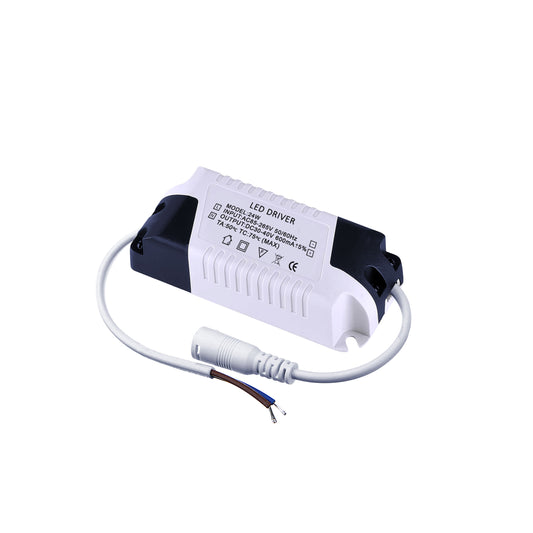
LED strip lights are a bit different. They're great for under cabinets or adding a bit of mood lighting. These don't just plug straight in; they need a transformer to convert the mains electricity into the lower voltage that the LEDs can use.
You'll see these listed as 'drivers' too. For example, a 25-36W constant current LED driver with a 70-137V output is designed to provide stable power. Make sure the transformer's wattage is suitable for the length of LED strip you're using – you don't want to overload it. It's worth checking the specifications carefully, or even asking for advice if you're unsure.
When you're changing bulbs, it's a good idea to buy just one to start with. See if you like the light it gives off and if it fits properly before you buy a whole set for the room. Most shops will let you exchange bulbs if they're not quite right.
Where To Find Affordable LED Lighting Solutions
So, you're ready to make the switch to LEDs and save some cash. That's a smart move. But where do you actually find the best deals on cheap LED lighting UK wide, without ending up with dodgy bulbs that die in a month? It can feel a bit like a minefield out there, with so many options and prices.
Choosing Reputable Brands and Retailers
When you're hunting for affordable LED bulbs UK, it's tempting to go for the absolute cheapest option you see. However, it's usually worth sticking to brands you recognise or retailers you trust. While a no-name bulb might save you a quid upfront, it could cost you more in the long run if it fails early. Look for established brands that offer warranties. For discount light fittings and bulbs, check out larger DIY stores, electrical wholesalers, and even some supermarkets that have expanded their lighting sections. Online retailers are also a big player, but more on that in a bit.
Conclusion
Switching to LED lighting might seem like a big change, but it's really quite straightforward. Just make sure the bulb base fits, think about how bright you need the light (lumens), and pick a colour temperature that makes your rooms feel just right. By choosing good quality LEDs, you're not just saving cash, you're making your home a nicer place to be.
Frequently Asked Questions
What's the difference between lumens and wattage for LED bulbs?+
Wattage measures how much electricity a bulb uses, while lumens measure how bright the light output is. LED bulbs use very low wattage, so lumens are the best indicator of brightness when choosing an LED bulb.
Are LED bulbs expensive to buy?+
LED bulbs can cost slightly more upfront than traditional incandescent bulbs, but prices have decreased significantly. Their long lifespan and low energy consumption make them more cost-effective over time.
What does Kelvin mean for LED bulb colour?+
Kelvin (K) describes the colour temperature of light. Lower values such as 2700K produce a warm, cosy light, while higher values like 5000K produce a cooler, daylight-like white light.
Do I need a special transformer for LED bulbs?+
Some low-voltage LED bulbs require a compatible LED transformer, while mains-voltage bulbs such as GU10, E27, and B22 typically do not. Always check compatibility with your existing fitting or consult an electrician if unsure.
Can I use LED bulbs with my existing dimmer switches?+
Yes, but only if both the LED bulbs are dimmable and the dimmer switch is compatible with LED technology. Incompatible dimmers may cause flickering, buzzing, or reduced performance.
Where can I buy affordable LED bulbs in the UK?+
Affordable LED bulbs are widely available in UK supermarkets, DIY stores such as B&Q and Screwfix, and online retailers. It is recommended to choose reputable brands and check reviews for quality assurance.
Track Your Order
Enter your tracking number to see delivery updates
Order now to receive by
--
-
--
Within 3-5 days
Need it faster? Express Delivery available — order now for next day delivery.
View delivery info
Tracking opens in a new tab
Sorry! Products are not enough.
Add One More to Save!
You're eligible for 15% off now!
Save 15%
Use Code
B2P10