Eco-Friendly Lighting: The Energy-Saving LED Bulbs Guide for UK Homes (2026)
Electricity bills keep climbing, energy price caps keep shifting, and more UK households than ever are looking for genuine, lasting ways to cut costs without cutting comfort. One of the simplest — and most overlooked — changes you can make is also one of the most effective: swapping old, inefficient bulbs for energy-saving LED bulbs.
It sounds almost too simple to matter. But lighting typically accounts for a meaningful slice of a UK household's electricity bill, and a huge number of homes are still lit by bulbs that are years past their efficiency prime. If you haven't upgraded yet — or you upgraded years ago with early-generation LEDs — there's a strong case for revisiting your lighting in 2026.
This guide covers everything you need to know about eco-friendly LED lighting for UK homes: how much you can realistically save, which fittings you need, what the new energy rating labels actually mean, and how to choose bulbs that are genuinely better for your home and the planet.
Why UK Households Are Switching to Energy-Saving LED Bulbs
The shift away from old-style bulbs isn't just a personal preference anymore — it's been shaped by UK-wide energy policy. Halogen and fluorescent bulbs have been phased out of UK shelves as part of national energy efficiency targets, which means LEDs are now the default, sensible choice rather than a premium upgrade. If you've still got halogen spotlights running anywhere in your home, they're quietly costing you more with every hour they're switched on.
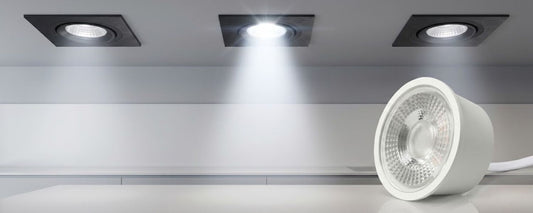
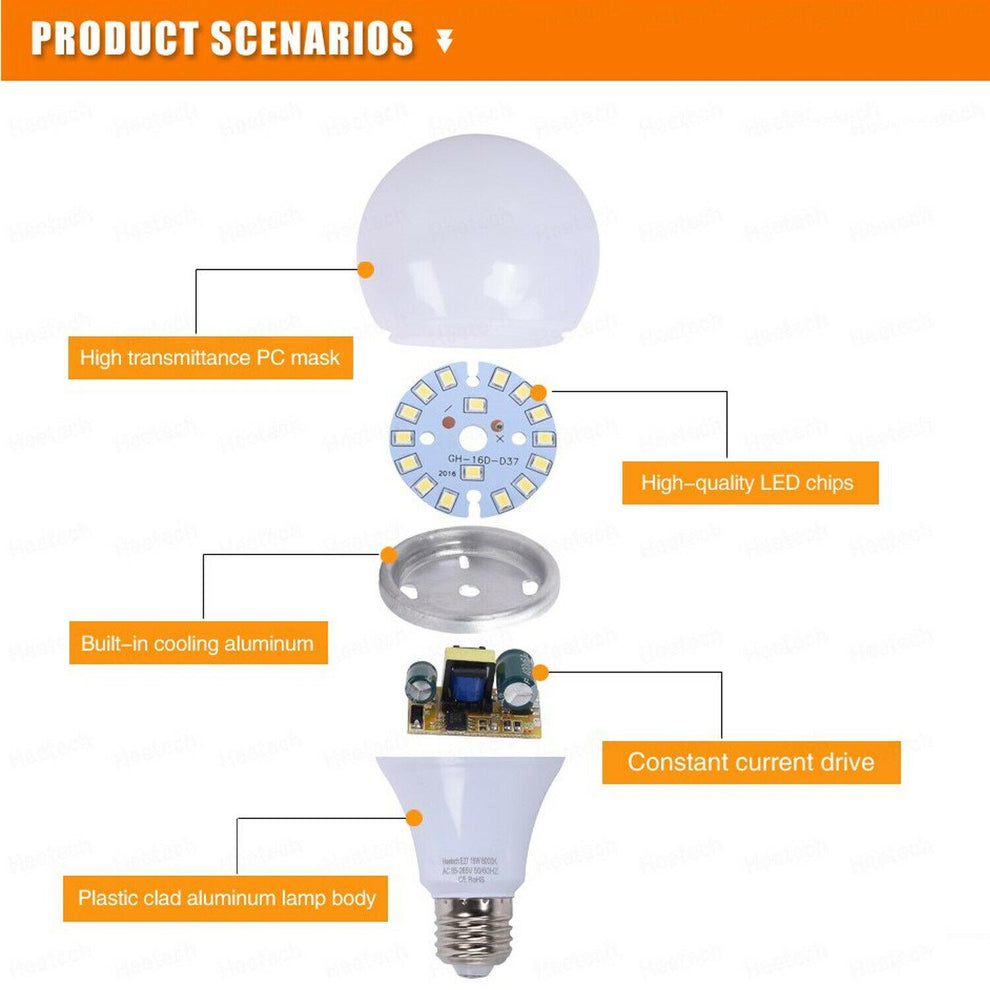
The maths is straightforward. A halogen GU10 spotlight typically draws around 50 watts. Its LED equivalent produces the same brightness for roughly 5–6 watts. Multiply that across a kitchen with ten downlights, and you're looking at the difference between running 500 watts and running under 60 watts every time the lights go on. Over a year of daily use, that gap adds up to a genuinely noticeable saving on your energy bill — not a rounding error.
It's not just about money, either. Every watt you don't draw from the grid is a watt that doesn't need generating, which is why lighting upgrades are consistently flagged as one of the easiest wins for reducing a household's carbon footprint. Small, low-effort changes like this are exactly the kind of thing that add up across millions of homes.
How Much Can You Actually Save?
Numbers vary depending on how many bulbs you replace and how often they're used, but the pattern is consistent: LED bulbs use dramatically less energy than the bulbs they replace, while producing the same — or better — light output.
- A 100W incandescent bulb can typically be replaced by a 9–12W LED bulb producing comparable brightness — an energy reduction of roughly 85–90%.
- A single halogen-to-LED swap can save a household somewhere in the region of £15–£20 a year, per bulb, depending on usage and current electricity prices.
- Multiply that across an average home with ten or more bulbs, and the annual saving can run well into three figures.
- Because LED bulbs are commonly rated for 15,000–25,000+ hours of use, that saving repeats year after year — for a decade or more — without you needing to think about it again.
The upfront cost of a decent LED bulb is modest, and because you're not replacing burnt-out bulbs every few months, you save on both energy and maintenance. Very few home upgrades pay for themselves this quickly or this reliably.
Understanding the New Energy Rating Labels
If you've shopped for light bulbs recently, you may have noticed the energy label system has been tightened. It's worth understanding what these ratings actually mean before you buy, because "LED" alone no longer guarantees you're getting the most efficient option available.
Under the UK's updated efficiency classifications, bulbs are now graded on a scale where A-rated bulbs deliver at least 210 lumens per watt — a meaningful step up from standard LED performance. Many everyday LED bulbs sit comfortably below that threshold while still being far more efficient than halogens or incandescents.
In practical terms, this means:
- Standard LED bulbs (typically B–D rated) are still hugely more efficient than anything they've replaced, and remain an excellent, affordable choice for most rooms.
- A- and B-rated ultra-efficient LEDs use noticeably less energy again — often 60% less than a standard LED — and are worth prioritising for lights you use for many hours a day, such as kitchen or hallway fittings.
- Since 2016, only bulbs rated B or better have been legally sellable in the UK, which is part of why the average home now uses significantly less electricity for lighting than it did in the late 1990s.
When comparing bulbs, don't just look for the word "LED" — check the energy label and lumen output so you know exactly what you're getting.
Lumens, Not Watts: How to Choose the Right Brightness
One of the most common mistakes people make when switching to LED is thinking in terms of watts, out of habit. Wattage tells you how much energy a bulb consumes — it says nothing about how bright it is. With LEDs, you need to think in lumens instead.
Use this rough conversion guide when replacing old bulbs:
| Old incandescent wattage | Equivalent LED lumens | Typical LED wattage |
|---|---|---|
| 40W | 400–500 lumens | 4–6W |
| 60W | 800–900 lumens | 8–10W |
| 100W | 1,200–1,500 lumens | 12–15W |
Matching wattage to wattage — buying a 10W LED because your old bulb said "10W" — is a common trap that leaves rooms feeling dim. Match lumens instead, and you'll get the brightness you're used to at a fraction of the running cost.
B22 vs E27: Which LED Fitting Does Your Home Need?
Before buying, it helps to know which base fitting your fixtures use. In the UK, you'll almost always encounter one of two types.
B22 Bayonet Fittings
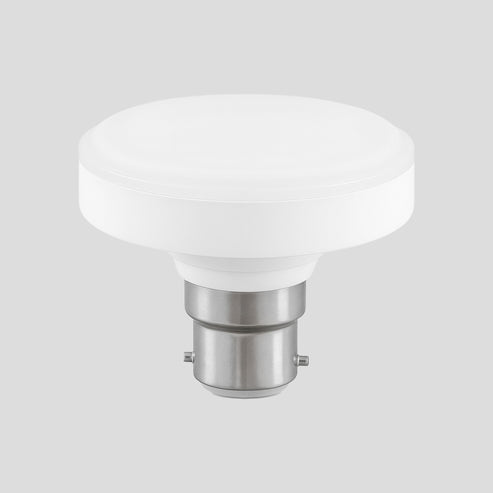
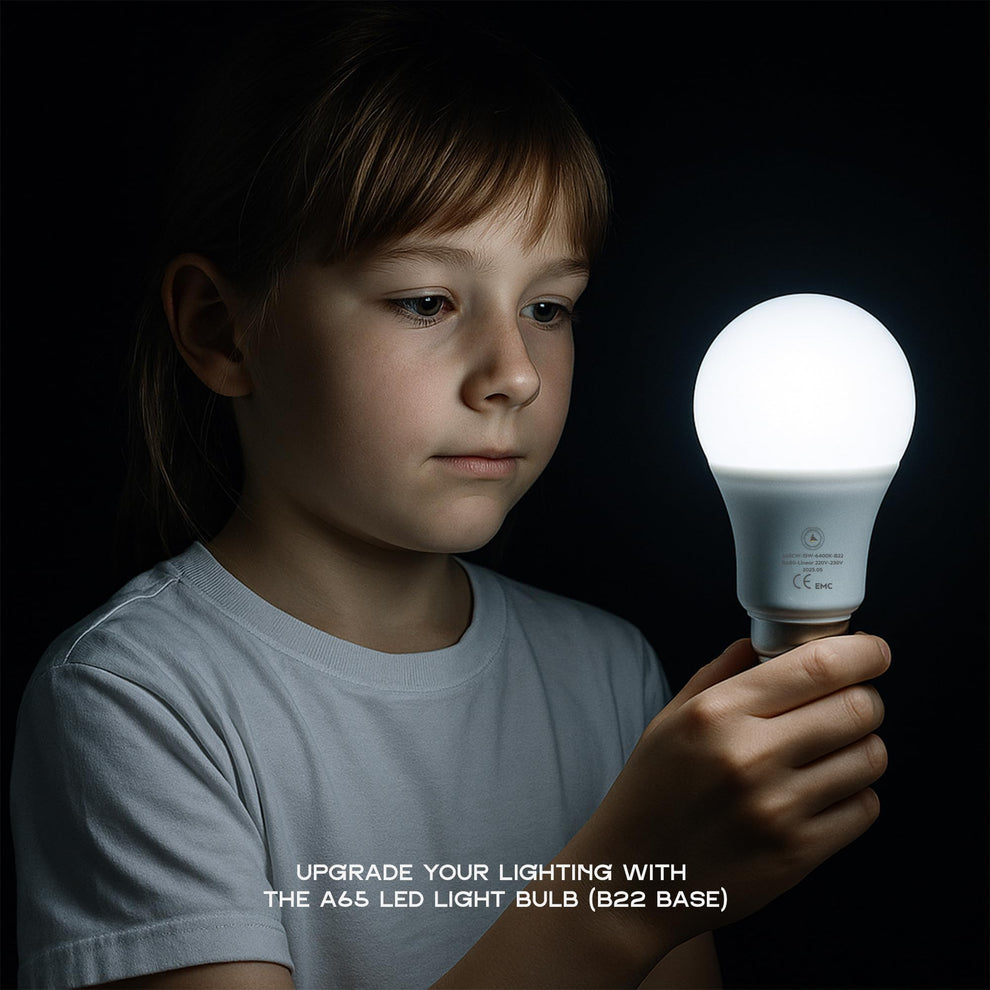
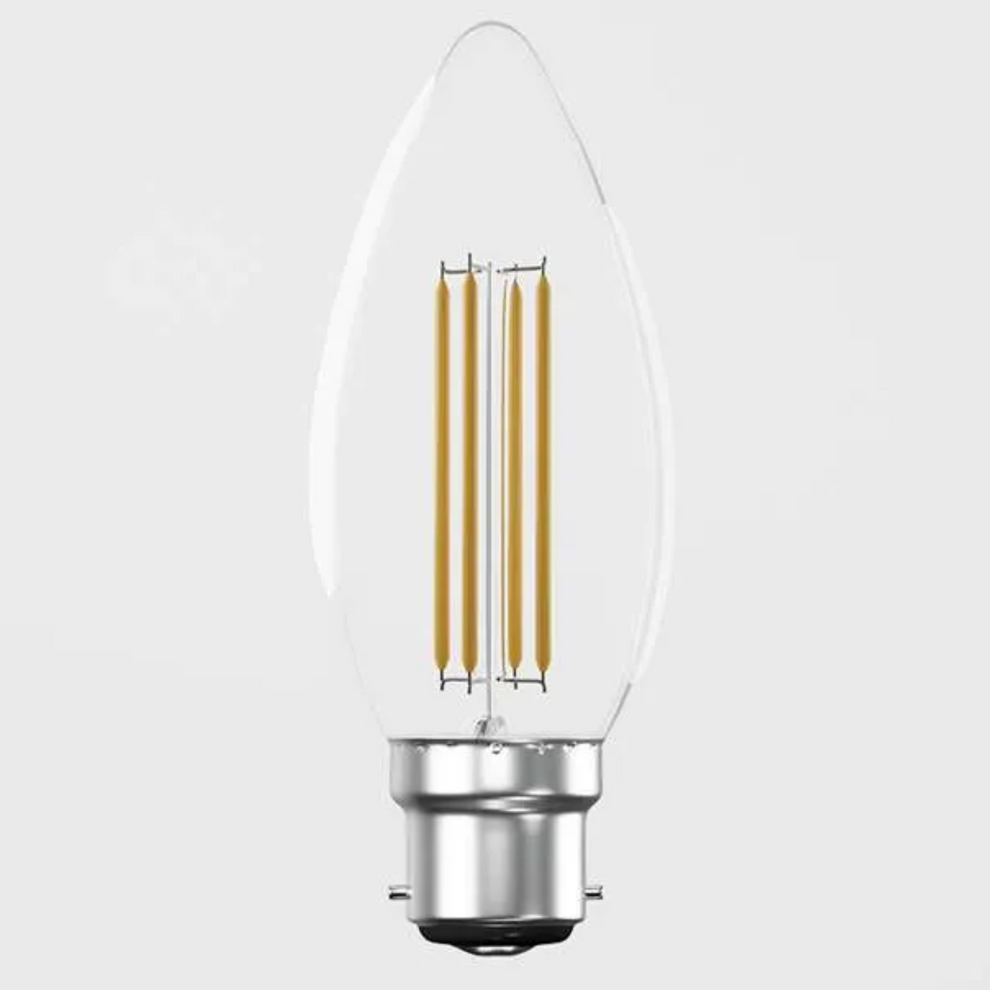
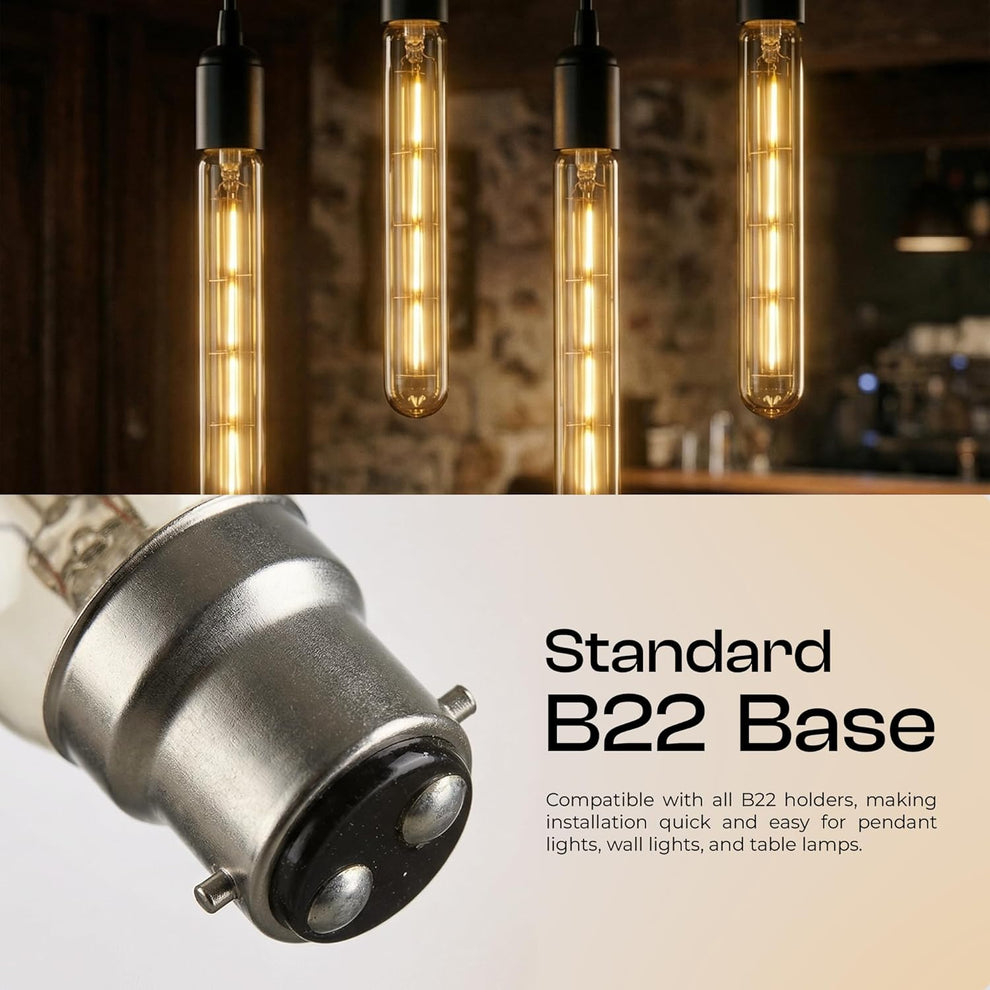
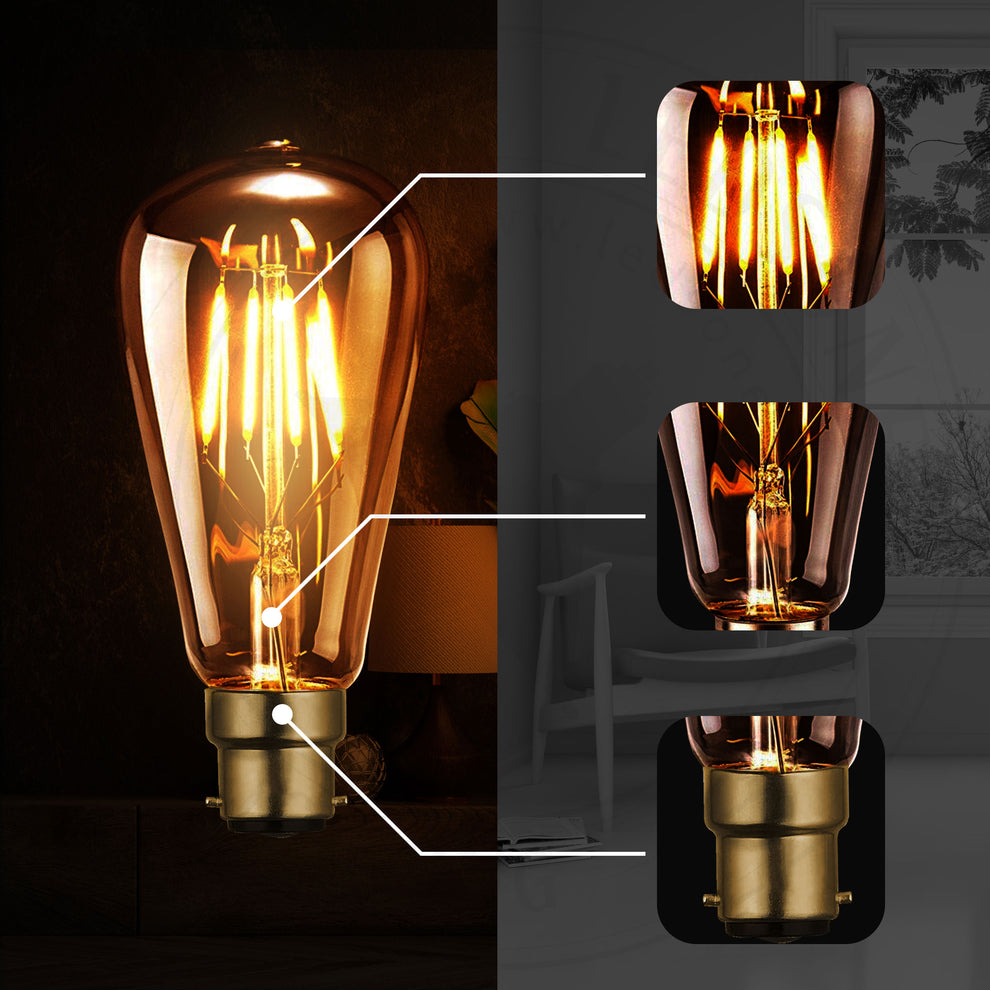
The classic British bayonet cap — push the bulb in and give it a quarter-turn to lock. This is the traditional fitting found in most UK ceiling lights, table lamps, and older fixtures. If your current bulb has two small pins on either side of the base, you've got a B22 fitting.
E27 Screw Fittings
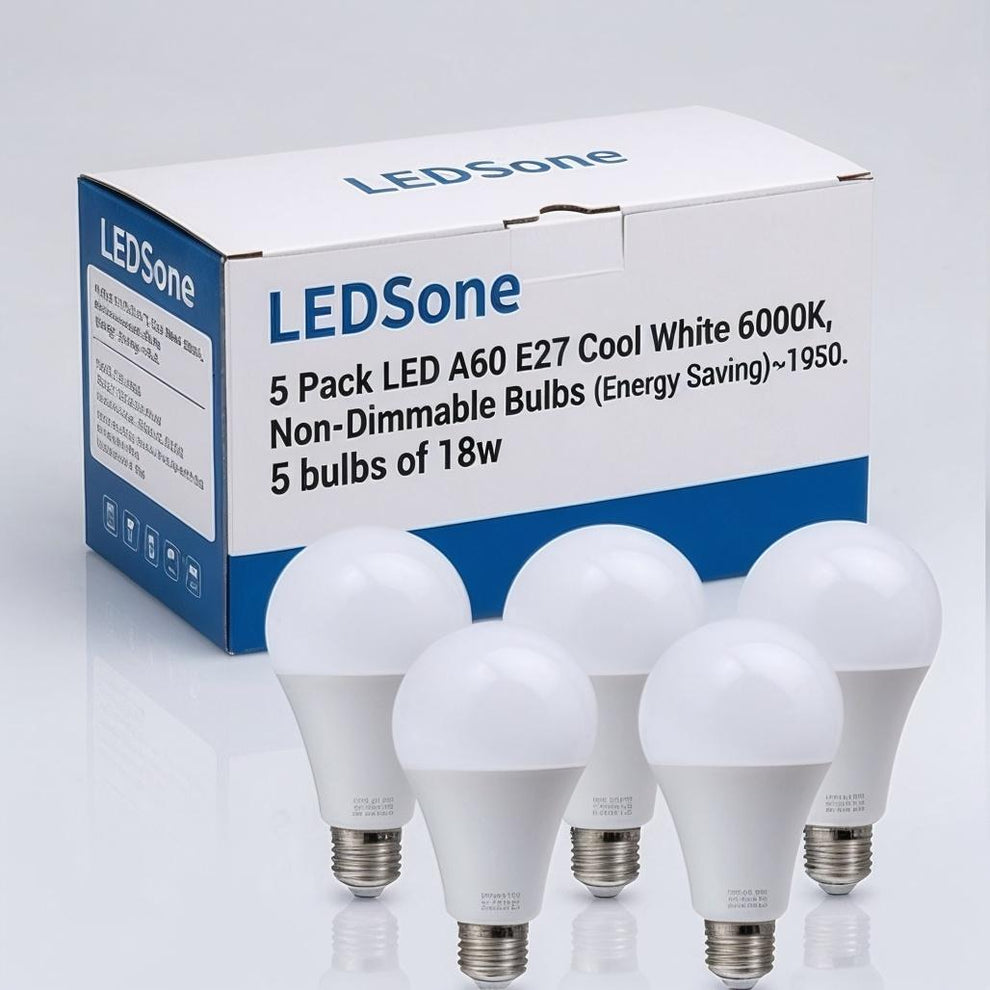
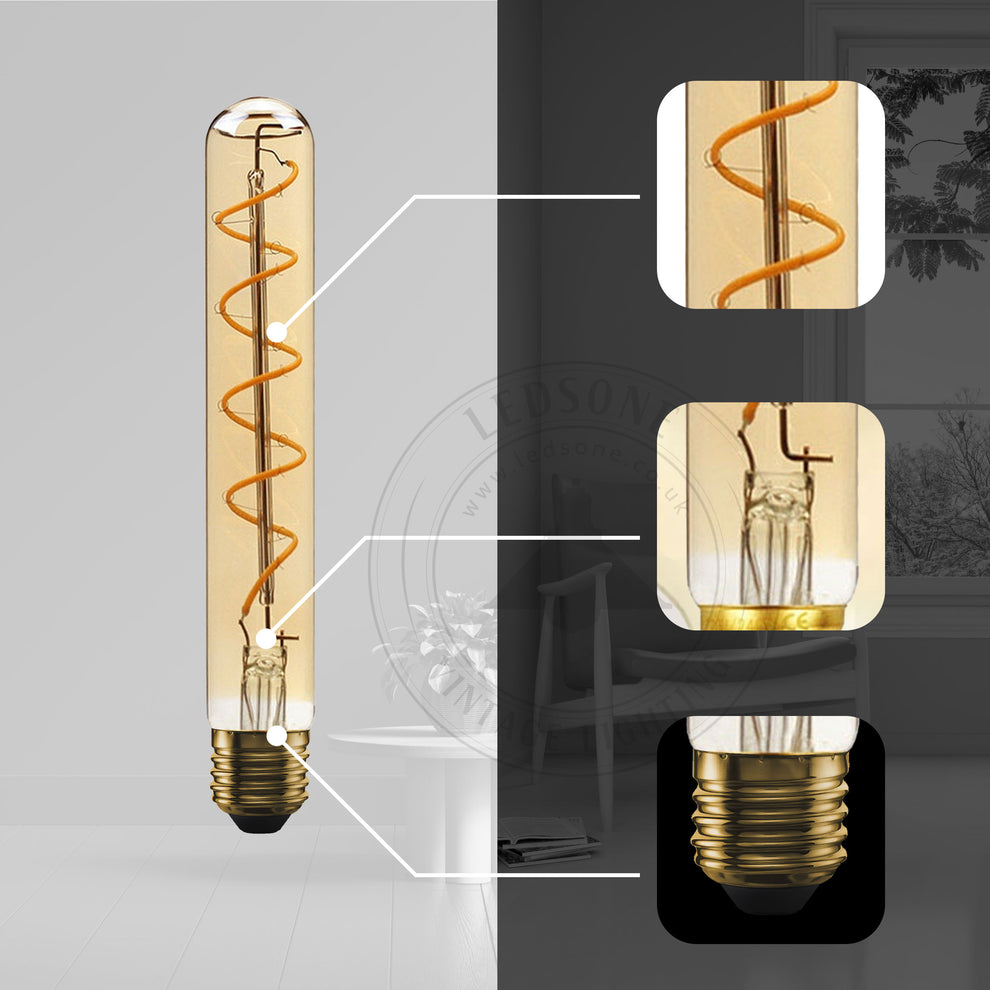
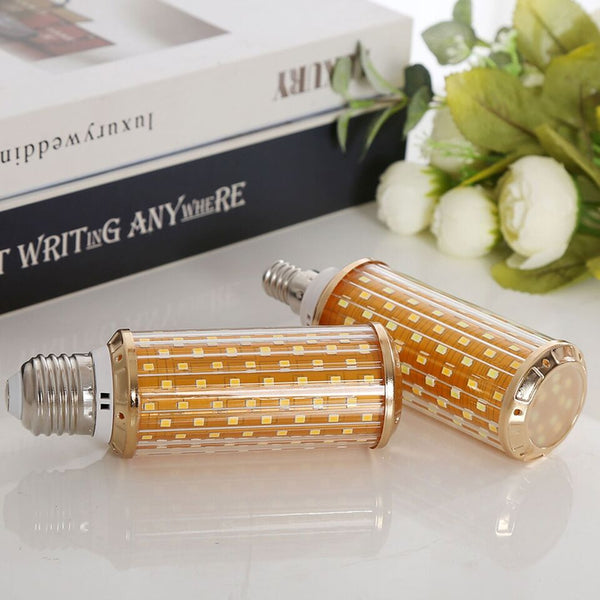
Also known as an Edison Screw, the E27 base simply twists in like a jar lid. It's less common in older British housing stock but increasingly standard in modern light fixtures, imported lamps, and contemporary lighting designs.
The good news: both fittings are widely available as energy-saving LED bulbs, so whichever your home uses, there's a straightforward eco-friendly replacement waiting.
Cool White vs Warm White: Choosing the Right Colour Temperature
Colour temperature — measured in Kelvin (K) — has a bigger impact on how a room feels than most people expect.
- 6400K Cool White mimics natural daylight and works best in task-focused spaces: kitchens, home offices, bathrooms, garages, and workshops. It's the colour temperature that keeps you alert and helps you judge colours accurately, whether you're chopping vegetables or reading fine print.
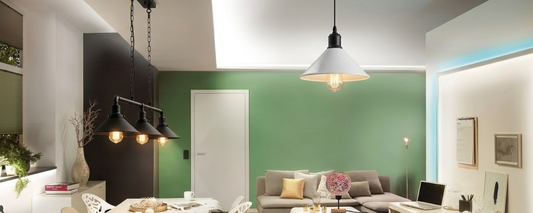
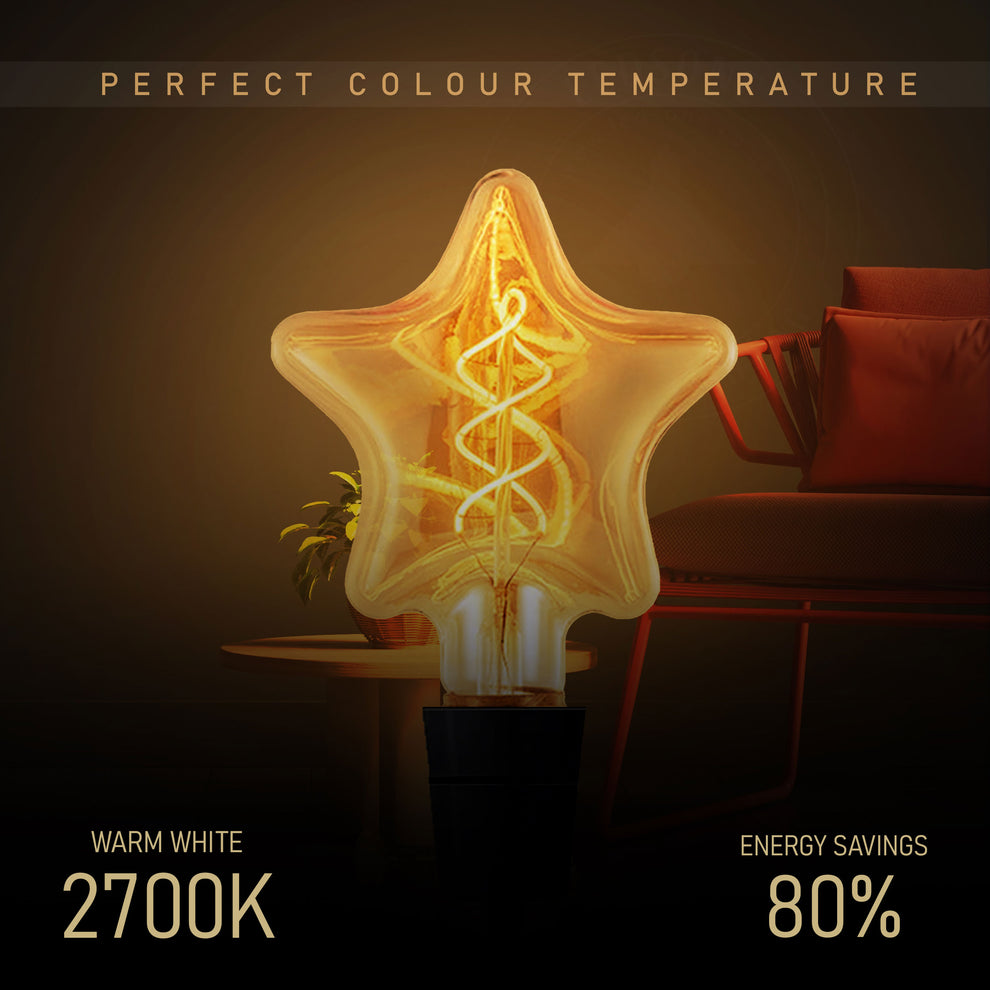
- 2700K–3000K Warm White produces a softer, yellow-toned glow better suited to living rooms, bedrooms, and anywhere you want a relaxing, cosy atmosphere rather than bright clarity.
There's no single "correct" choice for a whole home — many UK households mix cool white in functional spaces with warm white in relaxation spaces, matching the light to how each room is actually used.
The Environmental Case for LED Lighting
Beyond the bill savings, there's a strong environmental argument for making the switch — and it goes further than simply "using less electricity."
Lower carbon emissions. Because LEDs draw so much less power for the same brightness, every bulb you switch reduces the electricity generation needed to light your home — and with it, your household's associated carbon emissions.
No hazardous materials. Unlike older compact fluorescent bulbs, LEDs contain no mercury and produce negligible UV or IR radiation, making them safer to use, handle, and eventually dispose of.
Far less waste. An incandescent bulb might last around 1,000 hours. A quality LED can last 25,000 hours or more — up to 15 times longer than halogen alternatives. That means dramatically fewer bulbs manufactured, packaged, shipped, and thrown away over the life of your home's lighting.
Instant, flicker-free light. LEDs reach full brightness immediately, with no flickering or slow warm-up period, which also means no wasted energy during a "ramp-up" phase the way some older technologies required.
Taken together, these factors make LED lighting one of the lowest-effort, highest-impact changes available to environmentally conscious households — no behaviour change required, just a different bulb in the same socket.
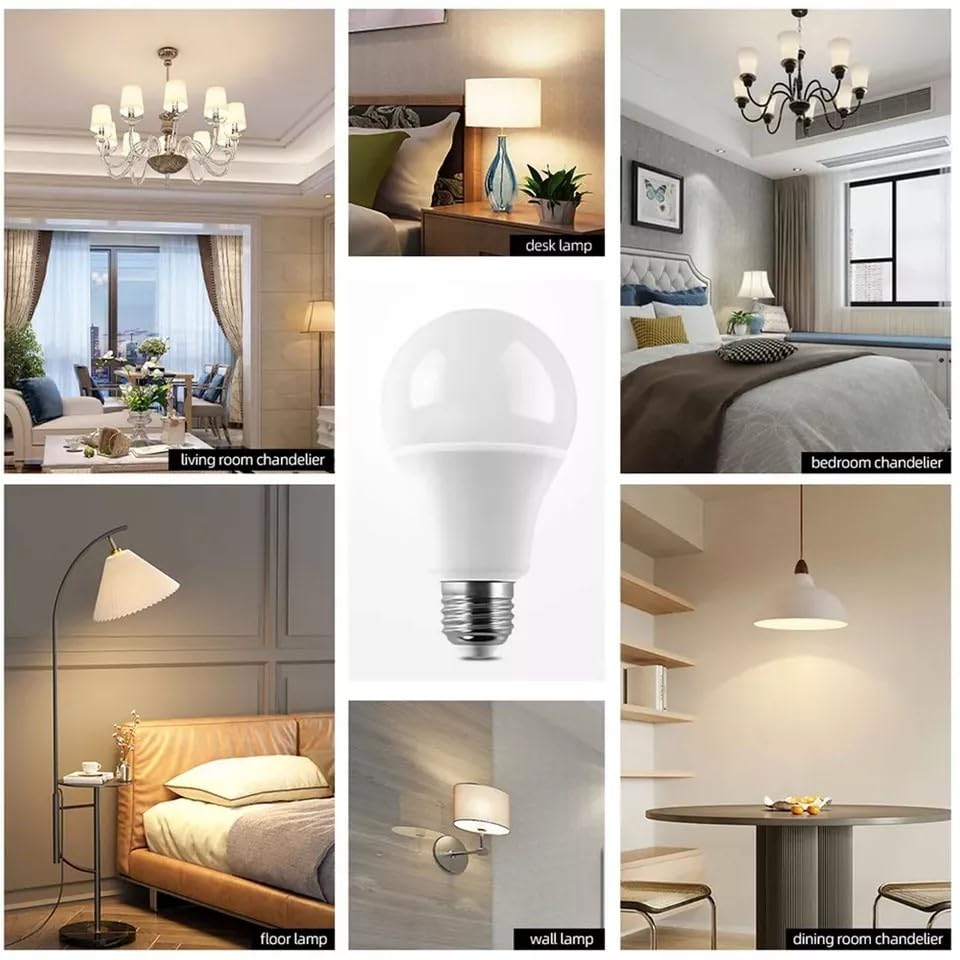
Where to Use Energy-Saving LED Bulbs in Your Home
Different rooms benefit from different approaches to LED lighting:
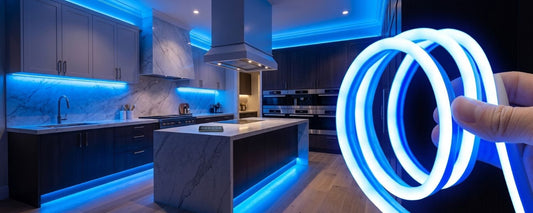
- Kitchens — Cool white LEDs help you see ingredients and judge cooking colours accurately, while keeping running costs low despite frequent, prolonged use.
- Home offices — Daylight-quality cool white light supports focus and reduces eye strain during long working hours.
- Bathrooms — Cool white lighting makes grooming tasks easier and gives the room a clean, fresh feel.
- Bedrooms and living rooms — Warm white LEDs create a relaxed, inviting atmosphere for evening downtime.
- Garages, workshops, and hallways — Bright, wide-beam LEDs (100°–180° beam angles) provide even coverage for safety and detailed work, without harsh spotlighting.
Because LED bulbs are now available in effectively every shape, fitting, and colour temperature, there's rarely a room in a UK home that can't be upgraded.
Easy Installation — No Electrician Needed
A common hesitation around switching to LED is the assumption it requires professional help. In reality, if you can change a traditional bulb, you can install an LED one.
- B22 bayonet: push the bulb in, twist a quarter-turn to lock.
- E27 screw: twist clockwise until snug.
Both fittings are direct, drop-in replacements for standard UK sockets — no rewiring, no special tools, and no electrician call-out required. Most homes can be fully upgraded room by room over a single weekend.
What to Check Before You Buy
When shopping for energy-saving LED bulbs, a few quick checks help you avoid disappointment:
- Lumens, not watts — match brightness to your old bulb using the lumen guide above.
- Colour temperature (Kelvin) — 6400K for task lighting, 2700–3000K for relaxed spaces.
- CRI (Colour Rendering Index) — look for a rating above 80 for accurate, natural-looking colours.
- Energy rating label — check for A or B ratings if you want maximum efficiency, especially for lights used many hours a day.
- Rated lifespan — aim for bulbs rated 15,000–25,000+ hours for the best long-term value.
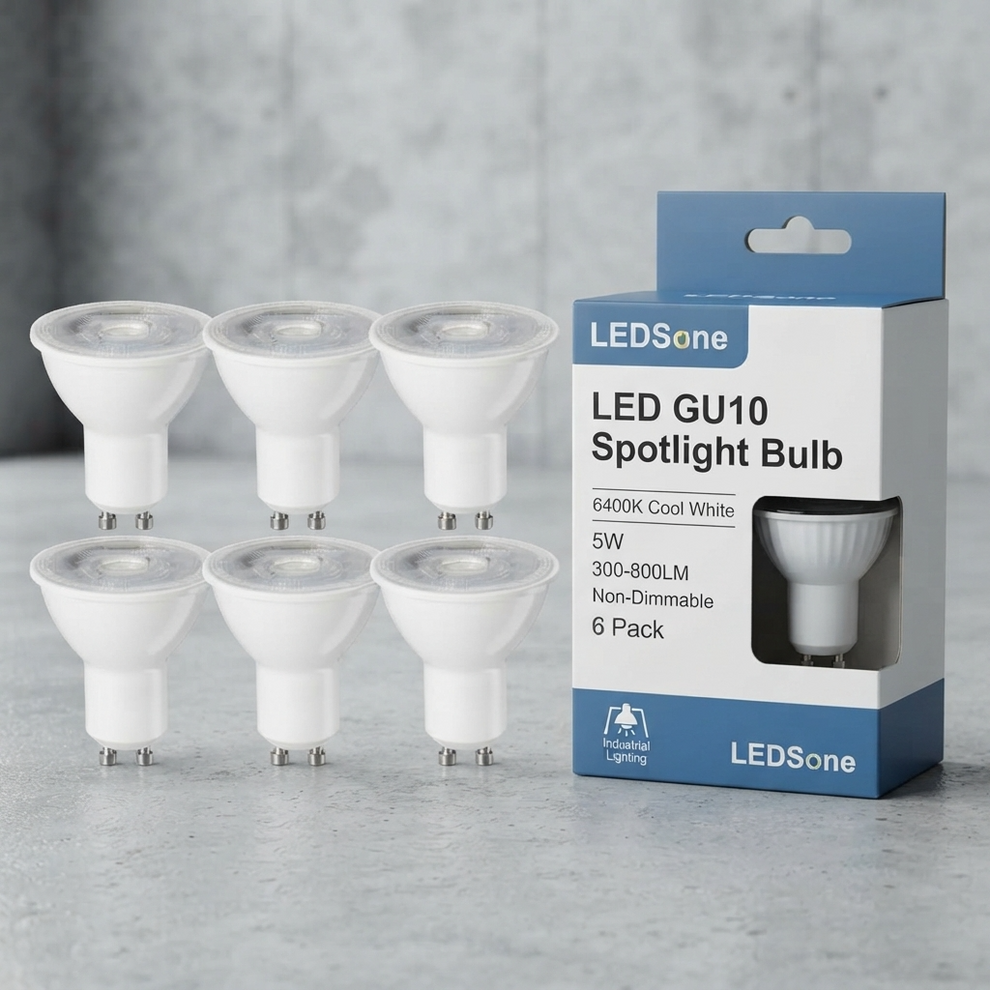
- Fitting type — confirm B22 or E27 (or another base, like GU10 or E14) before ordering.
Frequently Asked Questions
Do energy-saving LED bulbs really lower my electricity bill?+
Yes. LEDs typically use around 85–90% less energy than incandescent bulbs while providing similar brightness, which can reduce electricity usage, especially for lights that are used for several hours each day.
Are all LED bulbs equally efficient?+
No. LED bulbs vary in energy efficiency. A- and B-rated bulbs can use significantly less power for the same light output than less efficient LEDs, so it is worth checking the energy label when choosing a bulb.
Can I use LED bulbs in existing UK light fittings?+
Yes. In most cases, B22 and E27 LED bulbs are designed as direct replacements for standard UK bayonet and screw fittings, so no rewiring is required.
How long do energy-saving LED bulbs actually last?+
Most quality LED bulbs are rated for 15,000–25,000 hours or more. This can be significantly longer than traditional halogen bulbs, meaning many households may not need to replace an LED bulb for well over a decade.
What's the difference between cool white and warm white LEDs?+
Cool white lighting, around 6400K, produces a bright, daylight-like appearance and is suitable for kitchens, offices, and bathrooms. Warm white lighting, around 2700K–3000K, creates a softer and cosier atmosphere that is well suited to living rooms and bedrooms.
Labels:
Vorig
What Colour Lampshade Makes a Room Look Bigger?
Volgende
Outdoor Garden Lighting Ideas: How to Light Up Your UK Garden in 2026