5 Electrical Wiring Mistakes That Cause Faults at Home (And the Connector That Fixes Each One)
Most household electrical faults don't come from bad cable or faulty fittings — they come from the joint. A connection that's rushed, under-sized, or used in the wrong environment is one of the most common reasons UK homeowners end up with flickering lights, tripped circuits, or a call-out to an electrician. The frustrating part is that almost every one of these faults is preventable with the right wire connector or junction box for the job.
Below are five of the most common wiring mistakes we see, why they happen, and exactly which type of connector solves each one. Browse the full range in our Wire Connectors & Junction Box collection as you read.
Using Indoor Connectors Outdoors
This is by far the most common — and most damaging — wiring mistake. A standard indoor terminal block or lever connector isn't sealed against moisture. Once it's exposed to rain, condensation, or ground moisture, water gradually works its way into the joint, causing corrosion, increased resistance, and eventually a short circuit or nuisance tripping on the RCD.
Why it happens: Garden lighting, shed supplies, and driveway cables are often wired using whatever connector was left over from an indoor job, especially on DIY installs.
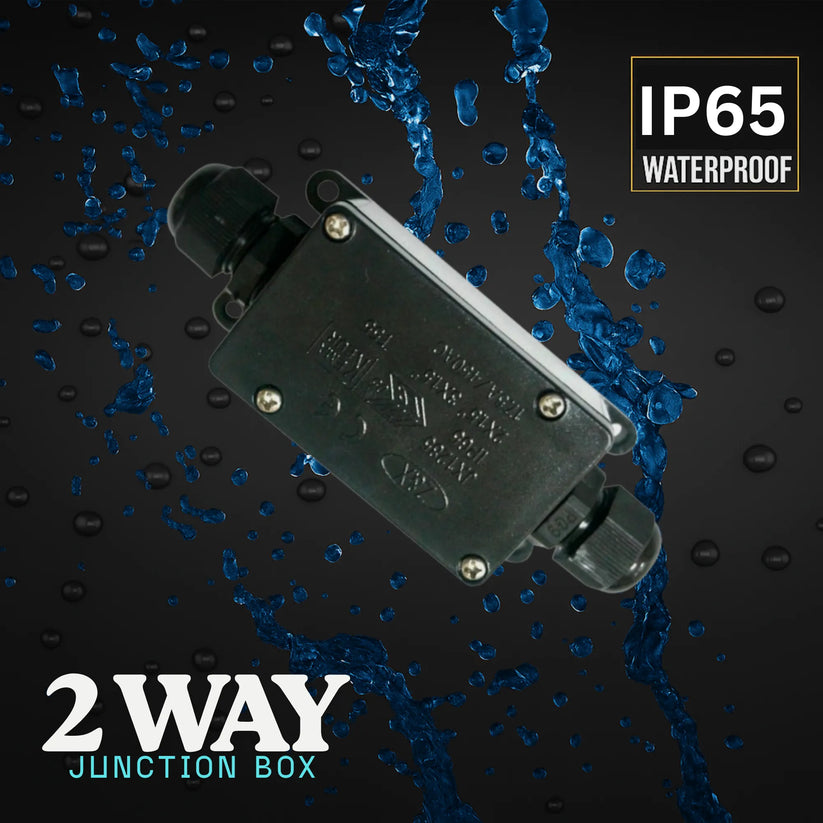
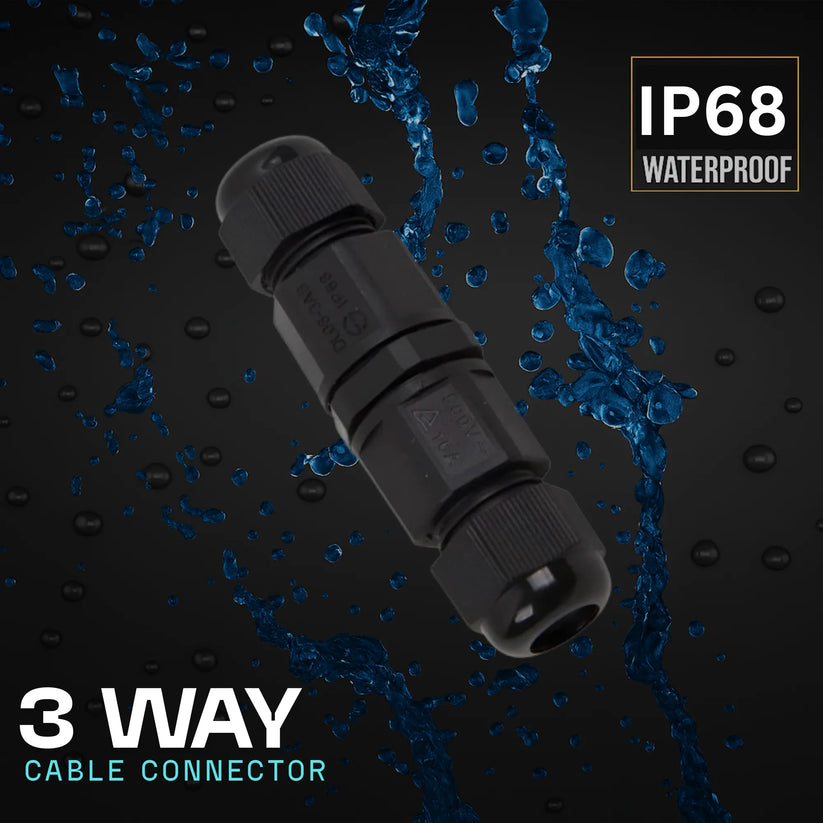
The fix: Any joint that's outdoors, in a damp location, or buried needs an IP-rated waterproof junction box. For light outdoor exposure, an IP65 rating (protection against water jets) is usually enough — see our IP65 2 Way Waterproof Junction Box Cable Connector or the 3 Way IP65 Waterproof Junction Box. For anything buried, submerged, or heavily exposed, step up to IP68, such as the IP68 Underground Waterproof Junction Box Cable Protection Connector.
Reusing Old Twist-On Caps Too Many Times
Twist-on connectors work by friction — the cap grips the twisted wire ends tightly. Every time one is removed and reused, that grip weakens slightly. After a few reuses, particularly on stranded cable, the connection can become loose enough to generate heat under load, which is a genuine fire risk behind switch plates and in loft spaces.
Why it happens: It's common practice to reuse whatever cap was already on a joint when making a small modification to an existing circuit, without checking whether it's still gripping properly.
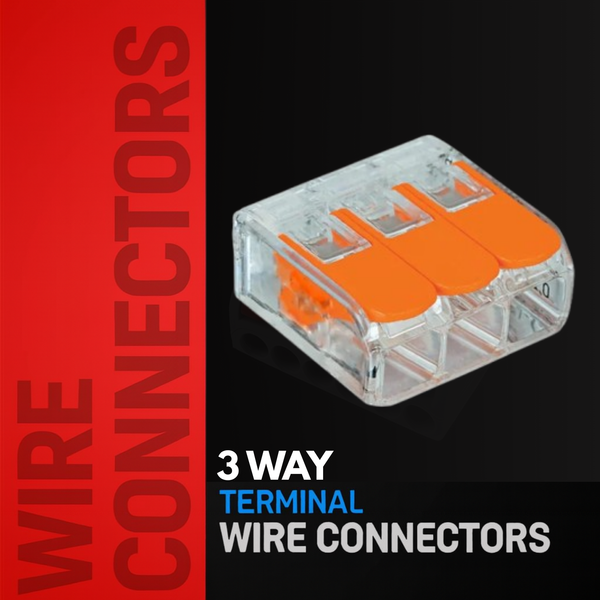
The fix: Swap to a reusable spring lever connector instead. Unlike twist-on caps, these clamp the wire mechanically rather than relying on friction, so they hold consistently even after repeated use. The 32A Spring Lever Push Fit Reusable 3 Way Wire Connectors and the more compact Compact Spring Lever Wire Connectors Reusable 32A Terminal Block are both designed for exactly this kind of repeat access, making them a better long-term choice for circuits you're likely to revisit.
Leaving a Joint Unenclosed
Even a well-made connection can become a hazard if it's left exposed above a suspended ceiling, inside a stud wall cavity, or tucked behind a light fitting without any enclosure. Exposed joints are more vulnerable to accidental damage, dust ingress, and — in the event of a fault — arcing with nothing around it to contain sparks or heat.
Why it happens: It's an easy step to skip when a connection is in a spot that "won't be seen," especially during quick repairs or retrofits.
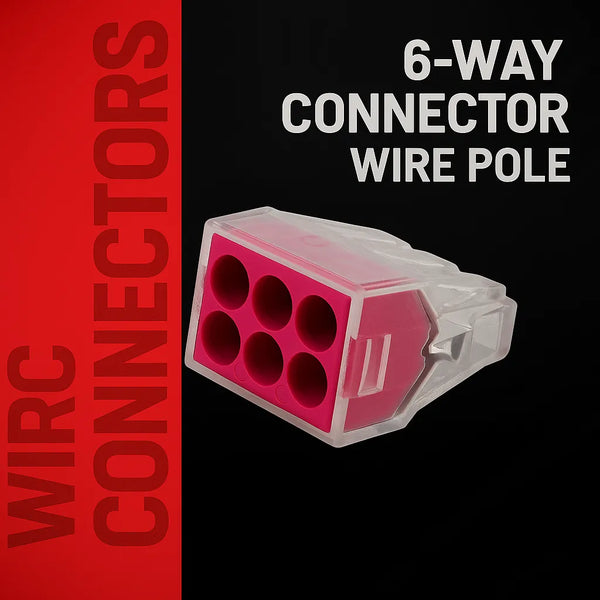
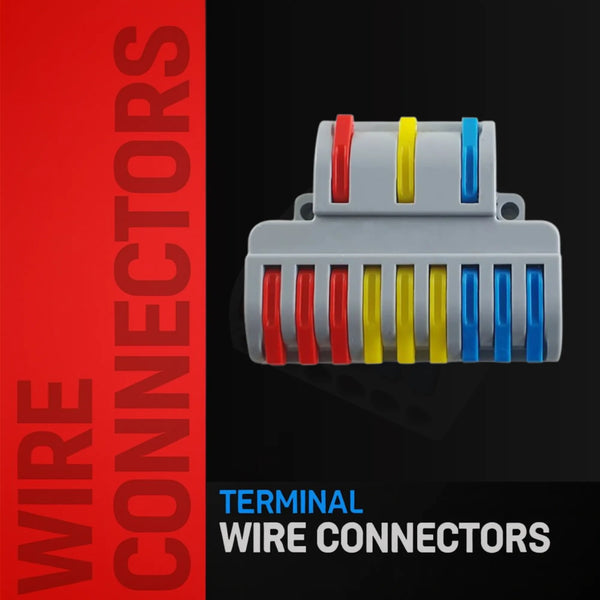
The fix: Any joint that isn't inside an existing accessory (like a light fitting or back box) should be housed in a proper junction box. For general indoor use, a simple enclosure keeps the connection contained and accessible for future inspection; for surface-mounted outdoor runs, the Waterproof Junction Box Surface Mounted Weatherproof Cable Connector gives you a wall-fixed enclosure that keeps the joint both protected and easy to find later.
Ignoring Cable Entry Points on Outdoor Enclosures
A waterproof junction box is only as good as its weakest entry point. Even the best IP68-rated box will let moisture in if the cable gland isn't sealed properly, or if a hole has been drilled through the casing without the correct grommet or gland to match.
Why it happens: Cable glands are often treated as an afterthought once the box itself has been chosen, rather than specified as part of the same job.
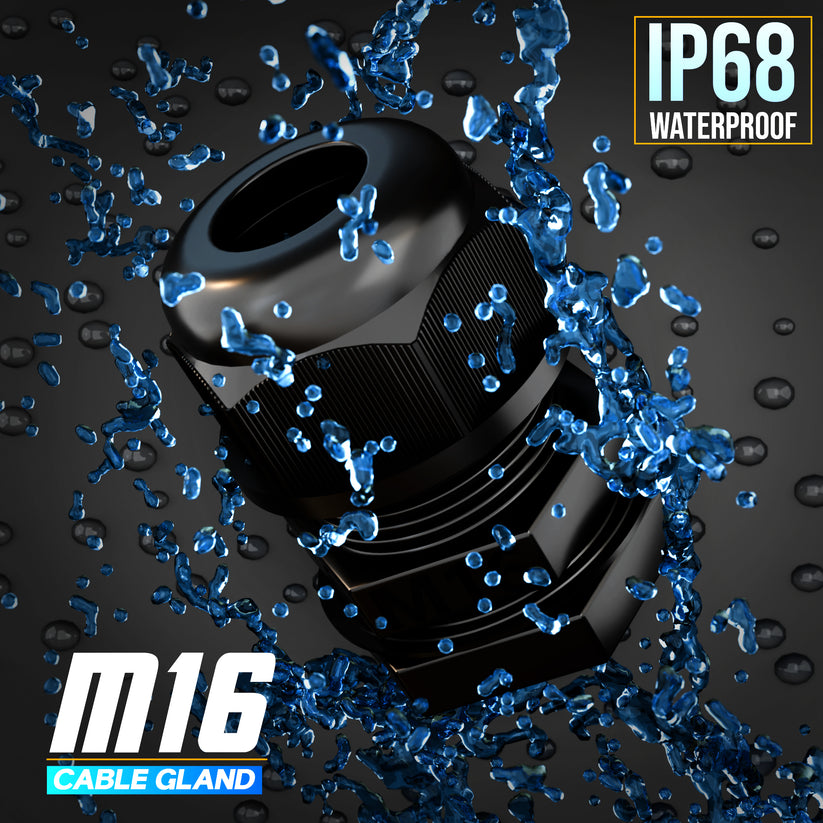
The fix: Match your junction box with a proper waterproof gland at every cable entry point. Our Gland Wire Cable Connector Waterproof IP68 Nylon Plastic Cable is designed to maintain the same IP rating as the enclosure it's paired with, so the whole assembly — not just the box — stays sealed. For a self-contained option that avoids the issue entirely, the IP68 Outdoor Junction Box 1 In 2 Out Cable Splitter comes with its own sealed entry points built in.
A Simple Pre-Fit Checklist
Before you close up any junction box or push a connector into place, run through this quick checklist:
- Right environment: Is this joint indoors, outdoors, or buried? Match the IP rating accordingly.
- Right size: Does the connector comfortably fit the number and gauge of conductors involved, with no overcrowding?
- Right type: Is a reusable spring lever connector more appropriate here than a single-use twist cap?
- Fully enclosed: Is the finished joint inside an accessory or junction box, not left exposed in a void or cavity?
- Sealed entry points: For outdoor boxes, are all cable glands tightened and matched to the enclosure's IP rating?
Working through these five points takes a couple of minutes and is far cheaper than a callout to trace an intermittent fault months down the line.


When to Call a Qualified Electrician
Choosing the right connector solves a lot of common wiring problems, but some jobs — particularly anything involving a consumer unit, new circuits, or work in a kitchen or bathroom — fall under Part P of the Building Regulations in England and Wales, and should be carried out or checked by a qualified, registered electrician. Connector choice is one part of doing a wiring job safely; correct isolation, testing, and certification are just as important.
Frequently Asked Questions
Can I mix connector types on the same circuit?+
Yes. Different connector types can be used on the same circuit when each connection uses a connector suitable for its specific environment. For example, spring lever connectors can be used at a ceiling rose, while a waterproof junction box can be used where the cable exits to an outdoor fitting.
How do I know if a connection has failed?+
Warning signs of a failed electrical connection can include flickering or dimming lights, a warm faceplate or fitting, a burning smell, or a circuit that trips intermittently under load. Any of these signs should be inspected by a qualified electrician.
Is it worth paying more for an IP68 box over IP65?+
Yes, for applications where the connection may be buried or permanently exposed to water, such as underground garden cable runs, an IP68 box provides a higher level of protection. IP65 is suitable for protection against water jets and rain exposure but is not designed for continuous submersion.
Final Thoughts
Most electrical faults trace back to a joint that was made with the wrong connector for the job, not a fault with the cable or fitting itself. Matching the connector to the environment, the number of conductors, and how often it might need to be accessed again solves the majority of problems before they start.
Explore our full range of wire connectors and waterproof junction boxes to find the right part for your next repair or installation, and check our Installation Guide for more wiring tips across our lighting and electrical accessories.
Labels:
Vorig
Indirect and Direct Lighting: Combined Lighting Concepts for Optimised Room Design
Volgende
2026 Lighting Trends: Why Slim LED Panels Are Replacing Downlights in UK Homes