What Size Chandelier Do You Need? A Room-by-Room Guide
Key Takeaways
- Measure your room's length and width in feet, add them together, and that sum in inches is a good starting point for your chandelier's diameter.
- For hanging height, aim for 2.5 to 3 inches of chandelier length for every foot of ceiling height.
- When placing a chandelier over a dining table or kitchen island, it should be about half to two-thirds the width of the table/island.
- Always leave about 30-36 inches of space between the bottom of the chandelier and the surface of the table below it.
- For living rooms and entryways, ensure at least 7 feet of clearance from the floor to the bottom of the chandelier.
Understanding Chandelier Sizing Basics
Choosing the right chandelier isn't just about picking something pretty; it's about getting the scale spot on for your room. A chandelier that's too big can make a space feel cramped, while one that's too small can get lost and look a bit sad. It's all about balance, really. So, how do you figure out what size is just right? Let's break down the basics of how to measure for a chandelier.
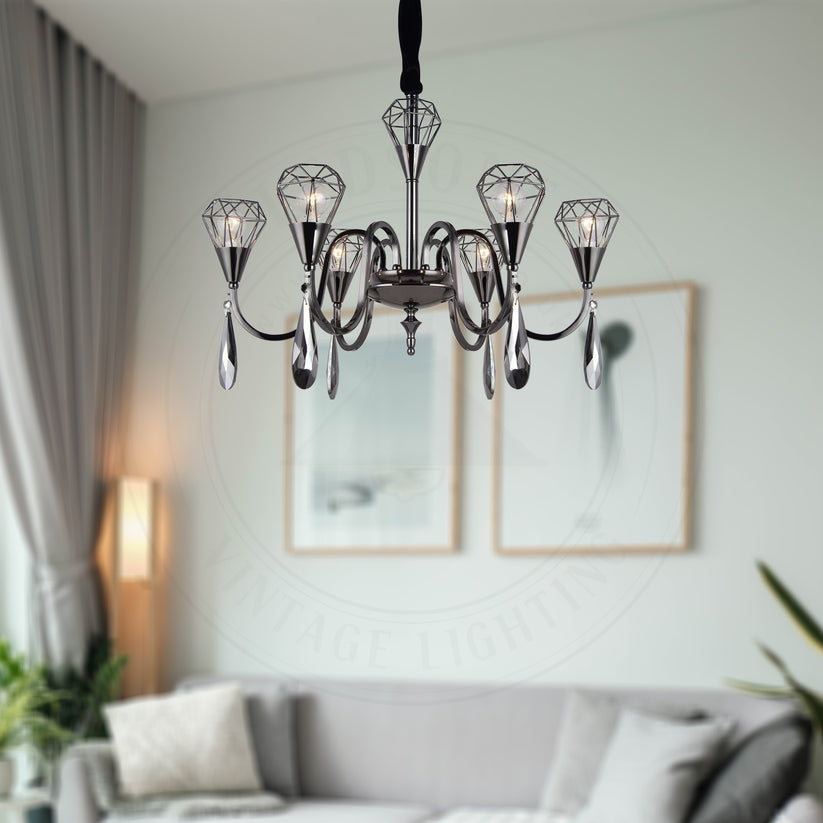


The Importance Of Correct Chandelier Size
Getting the size wrong can really throw off the whole vibe of a room. It's not just a light fitting; it's a statement piece. A well-sized chandelier draws the eye and complements the room's proportions, whereas an ill-fitting one can be a distraction. Think of it like choosing clothes – the right fit makes all the difference.
Key Measurements For Your Chandelier Size Guide
To get started with how to choose chandelier size, you'll need a tape measure and a bit of patience. The main things to consider are the dimensions of your room and the height of your ceiling. These will give you a solid starting point for finding a fixture that fits perfectly.
Here are the key measurements:
- Room Length and Width: Measure your room in feet. This is the first step in our simple formula.
- Ceiling Height: Measure from the floor to the ceiling in feet. This is important for determining the fixture's drop.
- Table/Furniture Dimensions (if applicable): If the chandelier will hang over a specific piece of furniture, like a dining table or kitchen island, measure its width.
Room Dimensions And Chandelier Diameter
A straightforward way to get a good estimate for your chandelier's diameter is to use your room's dimensions. It’s a simple calculation that most designers rely on.
The Room Size Formula:
- Measure the length of your room in feet.
- Measure the width of your room in feet.
- Add these two numbers together.
- Convert the total sum to inches. This number is your target chandelier diameter.
For example, if your room is 12 feet long and 10 feet wide, you'd add 12 + 10 = 22. So, a chandelier with a diameter of around 22 inches would be a good fit for that space. This rule of thumb works for most standard rooms and is a great starting point before you even look at specific fixtures. You can find more detailed guides on using a lighting fixture size calculator online if you want to explore different options.
Remember, these are guidelines, not strict rules. Sometimes, a slightly larger or smaller fixture can work depending on the style and the overall feel you're going for. Always consider the visual weight of the chandelier itself.
Dining Room Chandelier Sizing
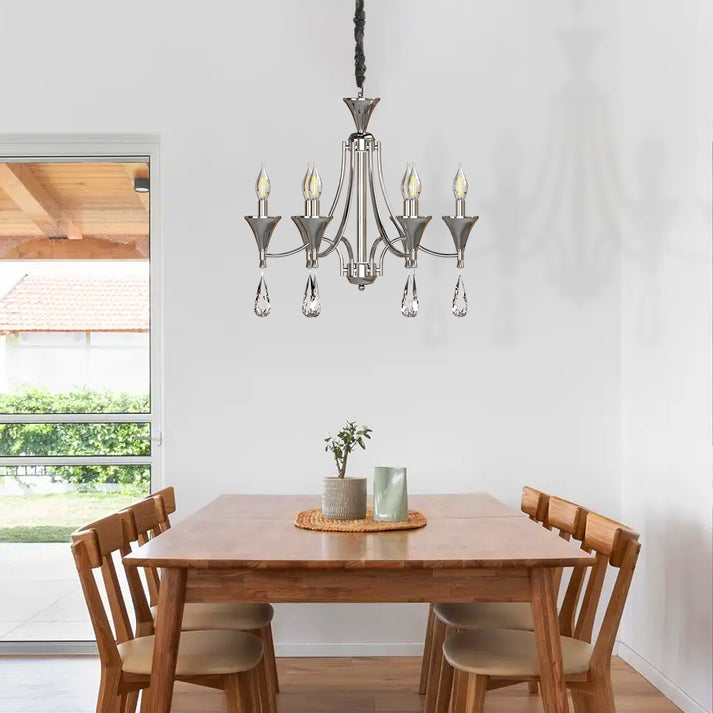

Choosing the right size chandelier for your dining room is more important than you might think. Get it wrong, and it can either look lost and insignificant or completely overwhelm the space. It’s not just about aesthetics; it’s about creating a balanced and functional area. So, let's get this right.
Calculating Chandelier Width For Dining Tables
This is where a bit of simple maths comes in handy. A good rule of thumb is to measure the width of your dining table. The ideal chandelier diameter should be about half to two-thirds the width of your table. For example, if your table is 1.5 metres wide, aim for a chandelier with a diameter between 0.75 and 1 metre. This ensures the fixture feels proportionate and doesn't impede on elbow room. It’s a guideline that works for most situations, whether you’re looking for what size chandelier over dining table is best or just generally what size chandelier for living room might work.
Here’s a quick reference:
| Table Width (metres) |
Ideal Chandelier Diameter (metres) |
|---|---|
| 1.0 | 0.5 - 0.67 |
| 1.2 | 0.6 - 0.8 |
| 1.5 | 0.75 - 1.0 |
| 1.8 | 0.9 - 1.2 |
Determining Dining Room Chandelier Height
Once you’ve got the width sorted, height is the next big consideration. You want to hang your chandelier at a level that provides good light without being in the way. The standard recommendation is to have the bottom of the chandelier about 30 to 34 inches (76-86 cm) above the dining table surface. This height allows for comfortable conversation and dining, ensuring people aren't ducking or feeling too close to the fixture. If you have particularly tall ceilings, you might need to adjust this, but for most standard rooms, this is a solid starting point. Remember, this is different from what size chandelier for living room might need, as those often have higher clearance requirements.
Adjusting For Table Size And Clearance
While the general rules are helpful, sometimes you need to tweak things. If you have a very large or very small dining table, you might need to adjust your chandelier size accordingly. For smaller tables, a chandelier that’s too wide can feel overwhelming. Conversely, a tiny chandelier over a massive table will just look lost. Always consider the overall scale of your room and furniture. Don't forget about clearance – you don't want guests bumping their heads! If you're wondering about how to clean a crystal chandelier, that's a whole other topic, but getting the size right is the first step to making it a showstopper.
When in doubt, it's often better to err slightly larger than too small for a dining room chandelier. A fixture that's a bit too grand can still be a statement piece, whereas one that's too diminutive can simply disappear. Think about the visual weight and presence you want the chandelier to have in your space.
For a more detailed breakdown, you might find a dining room chandelier size chart helpful, as it can offer specific measurements based on various room and table dimensions. This is also useful when considering the best chandelier size for bedroom, though the context is different.
Living Room And Entryway Chandelier Dimensions
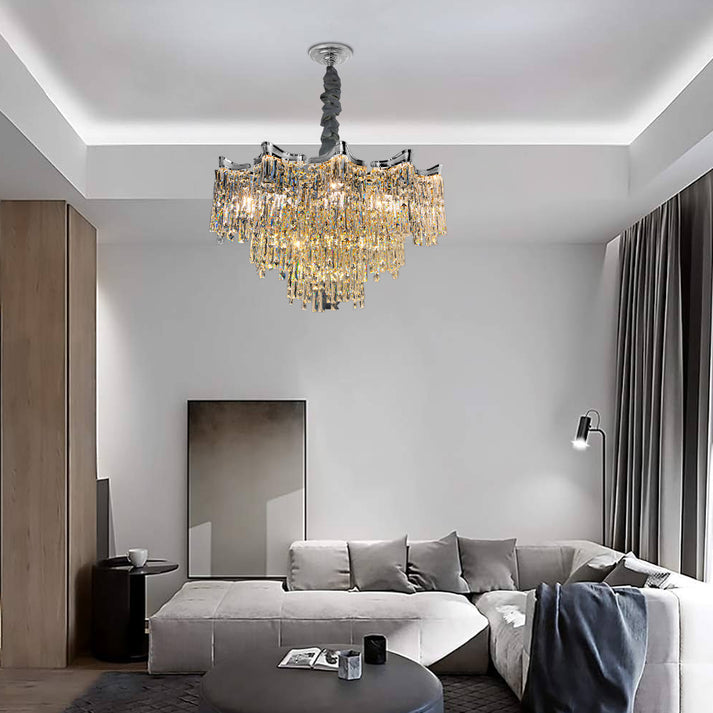

When it comes to living rooms and entryways, the chandelier isn't just about light; it's a statement piece. Getting the chandelier dimensions for living room spaces right is key to making sure it looks intentional and not just… there. A chandelier that's too big can make a room feel cramped, while one that's too small can get lost, making the whole space feel a bit underwhelming.
Sizing Chandeliers For Open Living Spaces
For open-plan living areas, think about the main seating arrangement or a central coffee table as your anchor point. The general rule of thumb for width is to add the room's length and width in feet, then convert that total to inches. So, if your living area measures 15 feet by 20 feet, that's 35 feet total. Convert that to inches, and you're looking at a chandelier with a diameter of around 35 inches. This gives you a good starting point for the overall scale.
- Measure your room's length and width in feet.
- Add these two measurements together.
- Convert the total from feet to inches to find the recommended diameter.
Placement And Clearance In Living Areas
In a living room, the chandelier is often centred over the main seating area or a coffee table. The most important clearance rule to remember is that the bottom of the chandelier should be at least seven feet from the floor. This ensures people can walk underneath without bumping their heads. If you have a coffee table, the chandelier should ideally be positioned above it, maintaining that seven-foot clearance from the floor. It's about creating a focal point without obstructing movement or conversation.
Always consider the visual weight of the chandelier. A very large, ornate fixture might need more clearance or a larger room to feel balanced, even if it meets the minimum height requirements.
Entryway Chandelier Height Considerations
Entryways, especially those with double-height ceilings, offer a fantastic opportunity for a dramatic chandelier. The seven-foot clearance rule still applies here – the lowest point of the fixture should be at least seven feet from the floor. For grand foyers, you might use the room's length and width calculation, but don't be afraid to go slightly larger if the ceiling height allows, as it can fill the vertical space. If you have a standard-height entryway, treat it much like a living room, ensuring the chandelier doesn't hang too low and impede traffic flow. Sometimes, a more compact, yet visually striking, fixture is best for smaller entryways.
Adjusting Your Chandelier Size Guide For Ceiling Height
So, you've measured your room and figured out the width. Great! But what about how high it hangs? This is where ceiling height really comes into play. A chandelier that's too low can be a head-bumper, and one that's too high can feel lost.
Low Ceiling Chandelier Options
If your ceilings are on the lower side, say 8 feet or less, you'll want to avoid anything that hangs down too far. Think flush-mount or semi-flush mount fixtures. These sit closer to the ceiling, giving you more headroom. A wider, shallower design can still make a statement without feeling cramped. It's all about maximising that vertical space you have.
Tall Ceiling Chandelier Solutions
Got high ceilings? This is where you can really play with scale. For ceilings over 8 feet, you generally add about 2.5 to 3 inches to the fixture's height for every extra foot of ceiling. So, a 10-foot ceiling might need a chandelier that's 25-30 inches tall, following this rule general guideline suggests 2.5–3 inches of fixture height. Multi-tiered or elongated designs can add a lovely vertical element, drawing the eye upwards and filling that grand space. Just remember to keep the overall proportions in mind so it doesn't look too busy.
Vaulted Ceiling Fixture Placement
Vaulted or sloped ceilings can be a bit trickier. The key here is often adjustable chain length. This allows you to hang the chandelier at the correct visual height, even though the ceiling angle is changing. You want to ensure it's centred and hangs at a level that feels balanced within the room. For these situations, it's worth checking the specific chandelier height from ceiling recommendations for your chosen fixture and consulting with an electrician if you're unsure.
When dealing with varying ceiling heights, the goal is always balance. You want the fixture to feel like a natural part of the room, not an afterthought or an obstruction. Consider the overall visual weight and how it interacts with the space below.
How Chandelier Shape Affects Perceived Size
The shape of your chandelier plays a bigger role than you might think in how it looks in a room. A round chandelier, for instance, can feel softer and more traditional. A square one often brings a more modern, geometric feel. For longer spaces, like over a dining table or a kitchen island, a linear or rectangular chandelier can be a fantastic choice. It follows the lines of the furniture and can fill a wider space without feeling too heavy. An oval shape can also work well, offering a bit more presence than a linear design but still maintaining a sense of flow. Think about the main shapes of your furniture and the room itself – a chandelier that echoes these can create a really harmonious look.
Material And Style Impact On Size Choice
Don't forget that the materials and overall style of a chandelier can also influence how large it appears. A chandelier made of delicate, airy metalwork or clear glass might be able to be larger without overwhelming the room. It feels lighter and less imposing. On the other hand, a chandelier with dense, ornate detailing, like a traditional crystal piece, can look much heavier. For these types of fixtures, it's often best to err on the side of caution and choose a slightly more modest size, especially if your ceilings aren't particularly high. It's all about balance, making sure the chandelier is a statement piece without dominating the entire space. Remember, a chandelier that's too small can look lost, but one that's too big can make the whole room feel cramped. Getting the size right, whether standard or custom, is key to making your chandelier the star it's meant to be. For dining tables, a good rule of thumb is to have the chandelier's width be about half to two-thirds of the table's width.

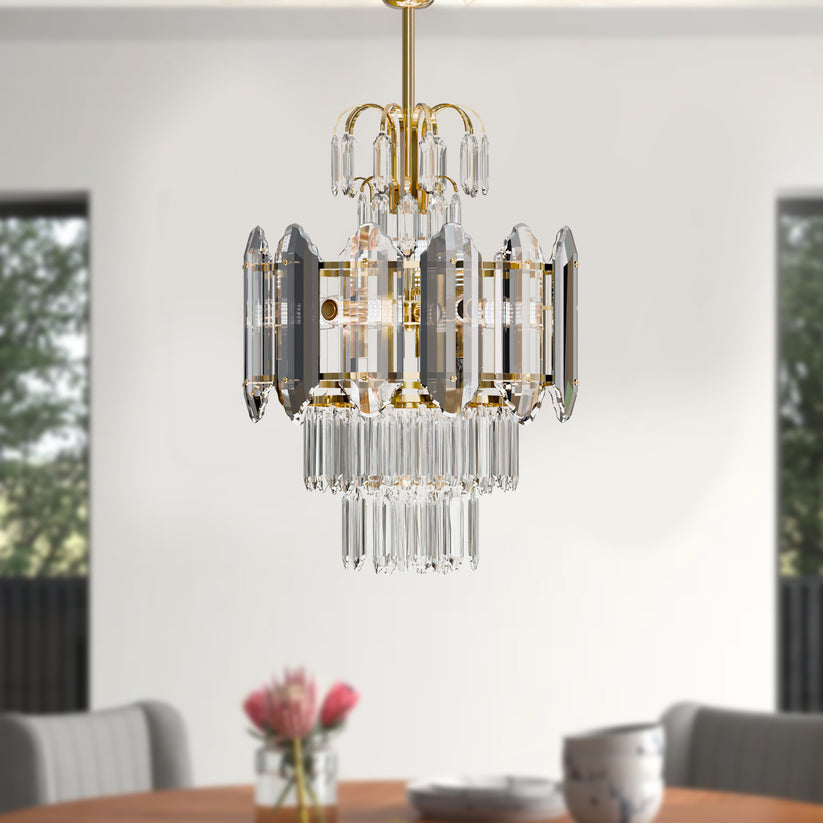

When you're choosing a chandelier, think about more than just the numbers. Consider the visual weight of the materials and the overall style. An open, airy design can often be larger than a dense, ornate one without making the room feel crowded. It's about creating a balanced look that complements your furniture and the room's architecture.
How to Hang a Chandelier Safely: A Step-by-Step Guide
Choosing the right chandelier is exciting, but getting the size wrong can really throw off the whole vibe of a room. Too small and it looks a bit lost, too big and it just feels… much. So, how do you nail the appropriate chandelier scale? It’s not as complicated as it sounds, mostly involving a bit of measuring and a few simple rules.
First things first, let's talk about how to measure for a chandelier. The most common method for determining the diameter of your chandelier involves your room dimensions. Take the length and width of your room in feet, add them together, and then convert that total to inches. So, if your living room is 15 feet by 12 feet, you'd add 15 + 12 = 27. That means a chandelier around 27 inches in diameter would likely be a good fit for that space. This is a handy rule for general living areas and entryways.
When it comes to what size chandelier for a living room, this room size formula is a great starting point. However, for specific areas like over a dining table, the rules shift slightly. For a dining room chandelier size, you'll want to consider the table itself. A good rule of thumb is that the chandelier's diameter should be about half to two-thirds the width of your dining table. This ensures it looks balanced and doesn't overwhelm the table setting. For example, if your dining table is 40 inches wide, aim for a chandelier between 20 and 27 inches in diameter.
Ceiling height also plays a big part in how a chandelier looks and hangs. A general guideline for chandelier height from ceiling is to allow about 2.5 to 3 inches for every foot of ceiling height. So, for a standard 8-foot ceiling, you're looking at a chandelier height of roughly 20 to 24 inches. If you have higher ceilings, you can go for a more substantial fixture or one with a longer drop.
Here’s a quick rundown for placement and height:
- Dining Room Table: Hang the chandelier 30–36 inches above the tabletop. This provides enough light for dining without being in the way. For higher ceilings, you might need to adjust the chain length to maintain this clearance.
- Living Room/Entryway: Aim for at least 7 feet of clearance from the floor to the bottom of the chandelier. This is especially important in high-traffic areas to avoid anyone bumping their head.
- Kitchen Island: Similar to a dining table, aim for 30–36 inches above the island surface. If you have multiple pendants, ensure they are spaced appropriately.


Remember, these are guidelines, not strict laws. The overall style of the chandelier and the room's proportions matter too. A very airy, open chandelier might be slightly larger than these rules suggest without feeling too heavy.
When you're looking at chandelier dimensions for room, don't forget to consider the fixture's depth and overall visual weight. A very deep or ornate chandelier might need to be slightly smaller than the calculations suggest to avoid dominating the space. Conversely, a sleek, minimalist design might allow for a bit more flexibility. If you're struggling to find the perfect fit, there are online tools that can help you calculate the appropriate chandelier scale, sometimes called a lighting fixture size calculator, which can be a lifesaver. For those tricky spaces or unique design visions, exploring custom options is always a possibility, giving you complete control over the chandelier dimensions for room.
Ultimately, how to choose chandelier size comes down to balancing these measurements with your personal style and the specific needs of your room. Getting the dining room chandelier measurement right, for instance, can make all the difference in creating a welcoming atmosphere. Don't be afraid to measure twice and buy once!
How to Clean a Crystal Chandelier
Crystal chandeliers can add a bit of sparkle and show off any room in your house, but all that shine doesn’t last long with dust and smudges. Cleaning one might sound a bit daunting, but it’s much simpler than people think. If you’re worried about taking it apart, don’t; most of the time, you can get excellent results without ever removing a thing.
Here’s a straightforward way to keep your chandelier bright:
- Switch the light off and let the bulbs cool down completely before you start.
- Place a soft cloth or old sheet underneath to catch drips and any bits of dust.
- Use a microfibre cloth to gently remove any loose dust from the frame and the crystals.
- Lightly spray a specialist chandelier cleaner or a good glass spray onto a soft, lint-free cloth—never straight onto the fitting. Alternatively, you can make your own gentle solution of one part isopropyl alcohol to four parts distilled water.
- Wipe each crystal carefully, supporting each piece as you go to avoid putting pressure on the arms. Move methodically, so you don’t miss a section (a little patience really helps).
- Let all parts dry fully before you turn the light on again.
A quick tip from experience: don’t forget to give the bulbs a quick wipe, too, as dusty bulbs can really dull the whole thing. This routine, once or twice a year, keeps everything clear and glowing with much less fuss than a full dismantle. For those who want even less hassle, a specialist chandelier spray makes the whole process go quicker—find out how to clean a crystal chandelier without removing it with an easy spray cleaner option.
Often, cleaning feels like a chore, but there’s something oddly satisfying about watching each crystal come back to life as you go. The effort is small, but the impact every time you switch on the lights is huge.
Conclusion
So, picking the right chandelier size doesn't have to be a puzzle. It's really about taking a few simple measurements and thinking about how the light fixture will look and feel in your room. By using these tips, you can confidently choose a chandelier that not only lights up your space but also becomes a beautiful focal point. Measure first, choose smart, and let your chandelier shine!
Frequently Asked Questions
How do I figure out the right size chandelier for my dining room?+
Measure your dining room's length and width in feet, then add those numbers together. The total, expressed in inches, provides a useful guideline for chandelier diameter. For example, a 12ft by 10ft room suggests a chandelier approximately 22 inches wide.
What's the rule for how high a chandelier should hang?+
A common guideline is to allow approximately 2.5 to 3 inches of chandelier height for every foot of ceiling height. For a 10ft ceiling, a chandelier between 25 and 30 inches tall generally provides balanced proportions.
Can I hang a really big chandelier in a small room?+
Yes, but scale and design are important. Open, airy chandeliers with slim frames can work in smaller rooms, while large, dense fixtures may overwhelm the space and make it feel cramped.
How much space should be between my dining table and the chandelier?+
The recommended distance between the top of the dining table and the bottom of the chandelier is typically 30 to 36 inches. This creates comfortable clearance while maintaining visual balance.
What if my room has a really high or low ceiling?+
For low ceilings, flush or semi-flush fixtures are usually the best choice. For high ceilings, taller or multi-tier chandeliers help fill the vertical space. In rooms with vaulted ceilings, adjustable chains or rods allow the fixture to be positioned at the ideal height.
Does the shape of the chandelier matter for size?+
Yes. The shape of the chandelier should complement the room and furniture layout. Round or square chandeliers suit many spaces, while rectangular chandeliers work particularly well over long dining tables. Open-frame designs can often appear less bulky and accommodate slightly larger dimensions without overwhelming a room.
Etiquetas:
Anterior
Wire Cage Lighting Guide: Styles, Fittings & Design Ideas
Próximo
A Beginner's Guide to Installing LED Downlights Safely