
-50%
Agotado
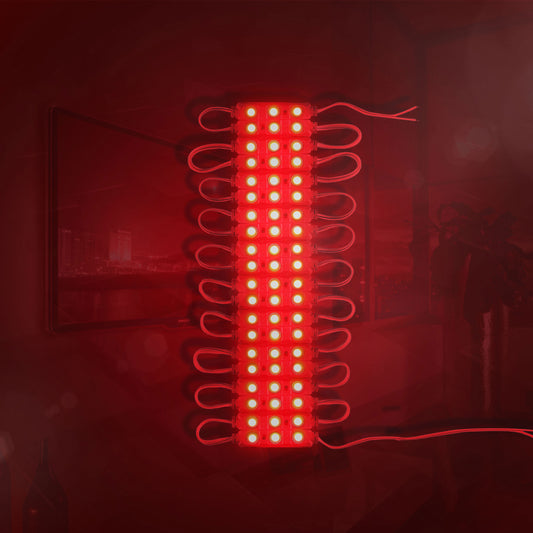
Módulo LED IP67 12 V Luz roja SMD Inyección Tira de luz ~5242
Precio regular
£0.20 GBP
Precio de venta
£0.40 GBP
Out of Stock

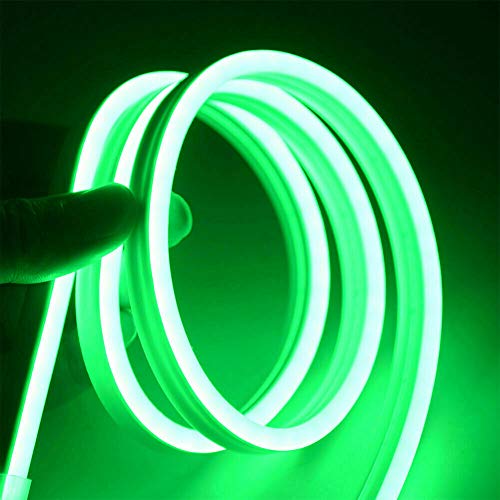
Tira de luces LED verde IP67 12 V, resistente al agua, SMD, luz de inyección ~5245
Precio regular
£2.19 GBP
Precio de venta
In Stock
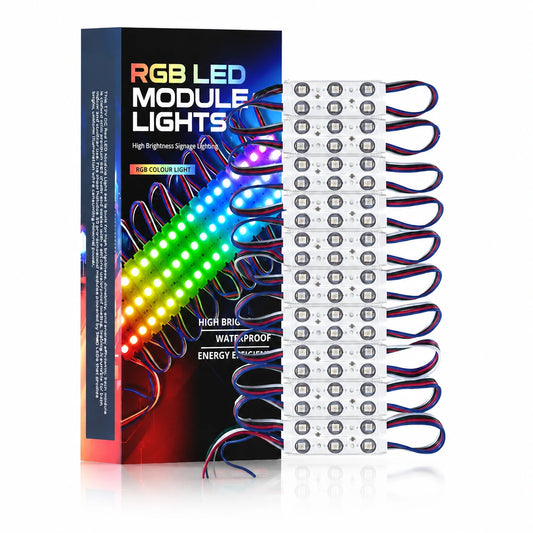
Módulo de luz LED RGB de 12 V - IP67 resistente al agua ~5246
Precio regular
£2.99 GBP
Precio de venta
In Stock

Módulo LED de inyección blanco frío IP67 de 12 V con cinta ~5244
Precio regular
£2.99 GBP
Precio de venta
In Stock
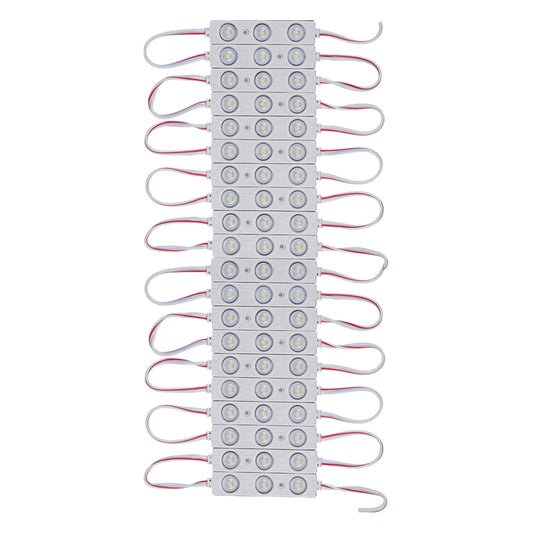
Módulos LED impermeables de 12 V, blanco cálido, IP67 para exteriores ~ 5677
Precio regular
£2.99 GBP
Precio de venta
In Stock
-17%

Módulo LED COB IP67, tira de señal de 12 V CC, ~2855
Precio regular
£1.95 GBP
Precio de venta
£2.34 GBP
In Stock
-28%
Agotado

Controlador de tira LED RGB | Control remoto IR de 12 V, 24/44 teclas ~ 5451
Precio regular
£4.99 GBP
Precio de venta
£6.89 GBP
Out of Stock
3 Pack Neon LED Strip Lights Waterproof Flexible Rope ~6403
Precio regular
£42.89 GBP
Precio de venta
In Stock
-25%
Agotado
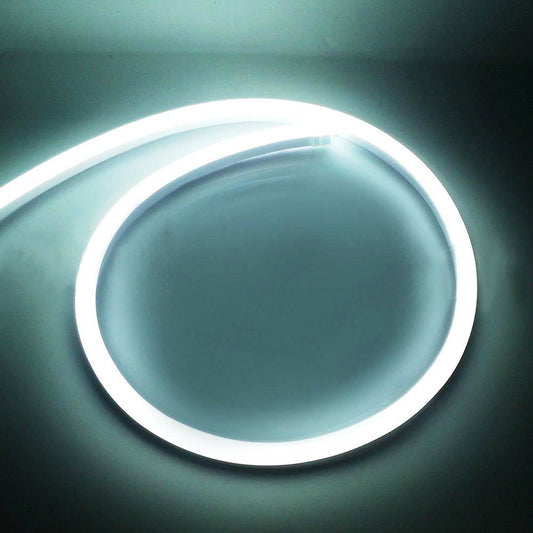
Tira de luces LED flexibles de neón, 12 V, 5 m, color blanco, resistente al agua, flexible, para exteriores, 2872
Precio regular
£22.39 GBP
Precio de venta
£29.87 GBP
Out of Stock
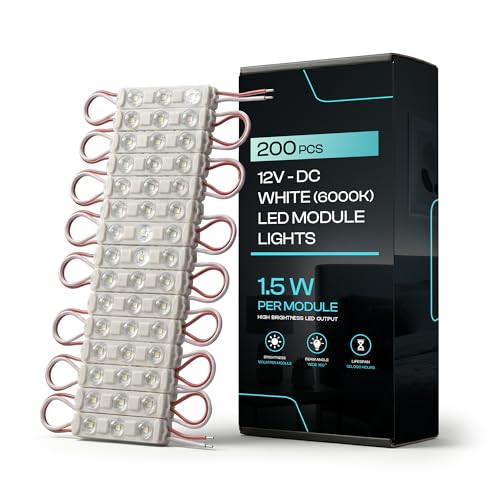
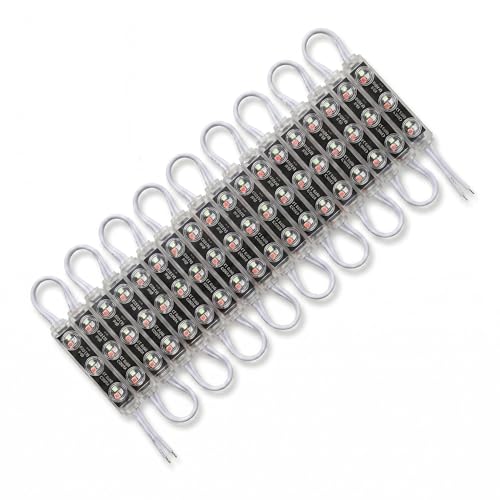
Comprensión de los conceptos básicos de la tecnología de módulos LED
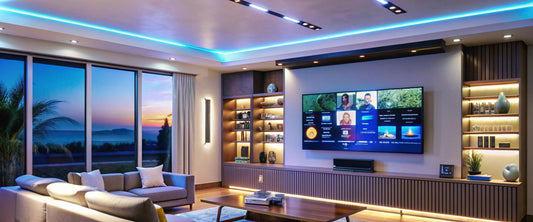
Introduction
LED technology revolutionizes lighting with energy efficiency, durability, and minimal heat. Ideal for homes and businesses, LEDs use less power and last longer.At the core are LED modules—compact, versatile units ranging from dimmable LEDs for cozy spaces to powerful SMD LEDs for commercial use. Modular systems offer easy maintenance and allow part-by-part replacements, such as LED modules or drivers, making them vital in modern lighting designs.
This guide explores LED modules, their differences from LED bulbs, and their impact on innovative lighting solutions.
1. What is an LED Module?
An LED module is a compact, pre-assembled lighting unit for efficient and reliable lighting. LEDs use less power than traditional lighting, produce little heat, and last much longer, making them a great choice for homes and businesses.
This makes them a great choice for homes and businesses.LEDs use less power than traditional lighting. They generate minimal heat and have a significantly longer lifespan.
Components of an LED Module
LEDs (Light-Emitting Diodes):
The primary light source, known for its efficiency and durability.Driver Circuits:
Regulate current and voltage, ensuring stable operation while protecting LEDs from damage.Heat Sinks:
Dissipate heat generated during operation, ensuring longevity and maintaining efficiency.
Types of LED Modules
Standard LED Modules: For general lighting purposes.
Dimmable LED Modules: Allow adjustable brightness to suit different environments.
SMD Module LEDs (Surface-Mounted Device): Compact modules designed for high-performance lighting in tight spaces.
MÓDULO DE INYECCIÓN DE LED


2. What is the Difference Between an LED Bulb and an LED Module?
While both leverage LED technology, LED bulbs and LED modules serve different purposes.
LED Bulbs
- Standalone Units: Easily installed into standard fixtures with screw-in or plug-in sockets.
- Versatility: Suitable for replacing traditional incandescent or CFL bulbs.
- Common Applications: Used in lamps, ceiling lights, and fixtures with standardized sockets.
LED Modules
- Pre-Assembled Units: Designed to integrate directly into fixtures without requiring a bulb socket.
- Tailored Design: Enables sleek, modern fixtures without the bulk of traditional bulbs.
- Applications: Ideal for pendant lights, wall fixtures, and specialized lighting setups.
Dimmable LED Modules: A Game-Changer
These modules allow advanced lighting control, offering benefits like:
- Ambient Lighting: Adjustable brightness for living spaces.
- Task Lighting: Perfect for kitchens or offices.
- Accent Lighting: Highlight specific areas or objects effectively.
Understanding these differences helps you choose the right solution for your lighting needs.
3. Lifespan of LED Modules
One of the standout features of LED modules is their longevity. On average, LED modules last between 25,000 to 50,000 hours, depending on their quality and operating conditions.
Factors Affecting Lifespan
- Heat Dissipation: Effective heat sinks prevent overheating, maintain performance, and extend life.
- Component Quality: High-quality LEDs and driver circuits ensure consistent operation and durability.
Choosing well-designed modules like SMD module LEDs or dimmable LED modules ensures long-lasting performance and reliability.
Soluciones de iluminación innovadoras con módulos LED


4. Can Integrated LED Modules Be Replaced?
What Are Integrated LED Modules?
Fixtures with integrated LED modules offer a sleek and streamlined design. These modules are all-in-one solutions, unlike traditional fixtures that use replaceable bulbs.
Challenges of Replacement
- Non-Standard Design: Replacement modules may not be universally compatible.
- Professional Assistance: Many fixtures require specialized tools or knowledge for replacement.
- Cost Considerations: In some cases, replacing the entire fixture may be necessary.
How Dimmer Modules Enhance Usability
Integrating dimmer modules for LED lights offers benefits like:
- Customizable Lighting: Adjust brightness levels as needed.
- Extended Lifespan: Reduces strain on the LEDs, prolonging their life.
While replacement can be challenging, dimmer modules make integrated LED systems more adaptable and user-friendly.
5. What Happens When an Integrated LED Light Burns Out?
Common Outcomes
- Partial Failure: Some LEDs may fail, causing dim or uneven lighting.
- Complete Burnout: Issues with driver circuits or overheating can lead to total failure.
Solutions for Burned-Out LEDs
- Replace the Fixture: The most common solution for integrated systems.
- Choose Modular Systems: They are easier to maintain. You can replace parts like LED modules or drivers one at a time.
Advantages of Dimmer Module LEDs
- Lower Stress on Components: Dimming reduces power usage, minimizing wear and tear.
- Energy Savings: Running LEDs at reduced brightness saves energy.
- Enhanced Ambiance: Adjustable brightness levels cater to varying needs.
By adopting dimming technologies, you can mitigate failures and maximize the lifespan of integrated LEDs.
6. Can You Change the Bulb in an Integrated LED Light?
Integrated fixtures incorporate the LED module directly into their design, removing the need for a replaceable bulb.
Modular Systems: A Convenient Alternative
Modular systems allow for easy replacement of components, making maintenance and upgrades more straightforward.
How LED Dimmer Switch Modules Add Flexibility
- Prolong Lifespan: Dimming reduces stress on LEDs.
- Improve Functionality: Enables brightness control for optimal lighting.
- Save Energy: Lower settings consume less power.
Integrated LED lights may lack the flexibility of modular systems, but dimmer switch modules enhance their functionality.
7. Benefits of LED Modules
1. Energy Efficiency and Cost Savings
- Consume significantly less power than traditional lighting.
- Reduced maintenance and replacement costs.
2. Personalization Options
- Dimmable LED modules allow tailored brightness levels.
- SMD module LEDs: Compact design perfect for precise applications.
3. Wide Applications
- Residential: Used in pendant lights, wall fixtures, and decorative lampshades.
- Commercial: Ideal for signage, display lighting, and efficient workspaces.