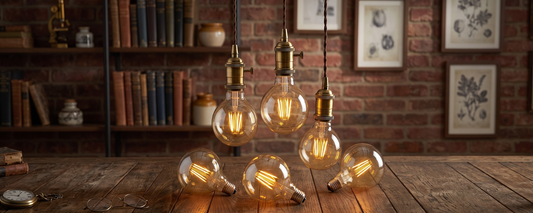
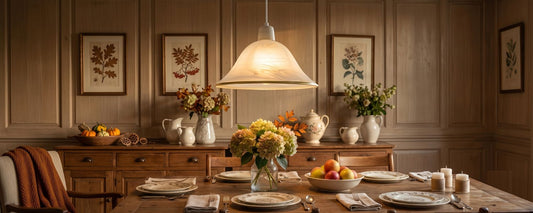
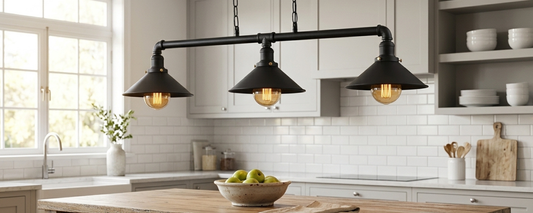
Shine Bright with LED Bulbs!
LED bulbs are changing the way we light our homes. Here’s what you need to know before making the switch:
Key Takeaways
-
LED bulbs last much longer than traditional bulbs, so you won’t be changing them as often.
-
They use a lot less electricity, helping you cut down on your monthly bills.
-
You can pick from different colours and brightness to match any room or mood.
-
LED bulbs are tough and less likely to break, making them safer for families and outdoor use.
-
They are better for the environment, with no toxic stuff inside and most parts can be recycled.
Discover the Advantages of LED Bulbs
So, you're thinking about making the switch to LED bulbs? That's a smart move. These aren't your grandma's light bulbs; they're a pretty big leap forward in lighting tech. Honestly, the benefits stack up pretty quickly, and once you see them, it's hard to go back to the old ways.
Extended Lifespan and Reduced Maintenance
One of the first things you'll notice is just how long these things last. We're talking years, not months. While a traditional incandescent bulb might give you about 1,000 hours of light, an LED can easily go for 30,000 to 50,000 hours. That's potentially 15 years or more with normal use! This means far fewer trips up a ladder to change bulbs, which is a win for everyone, especially if you have high ceilings. Plus, they don't just suddenly die; they tend to dim gradually, giving you a heads-up.
Superior Energy Efficiency
This is a big one. LEDs are incredibly efficient at turning electricity into light. They use significantly less power than older types of bulbs. For instance, they can be 80-90% more efficient than incandescent bulbs. Think about it: most of the energy from old bulbs was just wasted as heat. LEDs don't have that problem. This efficiency means you're not paying for wasted energy, which is good for your wallet and the planet. You can find out more about how they compare to other lighting options here.
Cost Savings Over Time
While the initial price of an LED bulb might seem a bit higher than a standard one, that upfront cost is quickly paid back. Because they use less electricity and last so much longer, you'll see a noticeable drop in your energy bills. Over the lifespan of an LED bulb, the savings really add up. It's an investment that pays for itself, making them a much cheaper choice in the long run.
It's easy to get caught up in the initial price tag, but when you look at the total cost of ownership, LEDs come out way ahead. Think about the money saved on electricity bills and the cost of replacement bulbs over several years. It's a clear win.
Here's a quick look at how they stack up:
|
Bulb Type |
Lifespan (Hours) |
Energy Efficiency |
Initial Cost |
Long-Term Cost |
|---|---|---|---|---|
|
Incandescent |
~1,000 |
Low |
Low |
High |
|
LED |
30,000 - 50,000 |
High |
Medium |
Low |
Choosing the Right LED Bulb
So, you're ready to make the switch to LEDs? Brilliant! But with so many options out there, picking the perfect bulb for your space can feel a bit overwhelming. Don't worry, we'll break it down. It's all about understanding a few key things to get the best out of your home lighting upgrade ideas.
Understanding Colour Temperature (CCT)
This is basically how warm or cool the light looks. It's measured in Kelvin (K). Think of it like this:
-
Ultra Warm White (2500K or lower): This is like the old-fashioned incandescent bulbs, giving off a cosy, yellowish glow. Great for living rooms or bedrooms where you want a relaxed vibe.
-
Warm White (2700K - 3500K): Often called 'Soft White', this is a popular choice for general home lighting. It's still warm but a bit brighter than ultra-warm.
-
Natural White (4000K - 5000K): This is often labelled 'Daylight'. It's a neutral, clean white light that's good for kitchens, bathrooms, or home offices where you need good visibility.
-
Cool White (5000K or higher): This gives off a bluish tint. While it can make spaces feel very bright, it's not always the most inviting for a home setting.
Choosing the right CCT can really change the feel of a room. A warm light is cosy, while a cool light is more energising. It's worth considering what mood you want to create.
Assessing Colour Rendering Index (CRI)
CRI tells you how accurately a light source shows the true colours of objects. It's measured on a scale of 0 to 100, with 100 being the best. For most modern home lighting needs, you'll want a CRI of 80 or higher. This means colours will look natural and vibrant, not washed out or distorted. If you're an artist, photographer, or just someone who appreciates true colours, aim for a CRI of 90+.
Dimmable LED Bulb Options
Not all LED bulbs are created equal when it comes to dimming. Some LEDs are designed to work with standard dimmer switches, while others require specific LED dimmers. Always check the packaging to see if a bulb is dimmable and what type of dimmer it's compatible with. Using a non-dimmable bulb with a dimmer switch can cause flickering or even damage the bulb. For a truly flexible home lighting upgrade, dimmable LEDs are a fantastic choice, allowing you to adjust the mood and brightness as needed. You can find these as part of many packages, offering both convenience and savings.
Durability and Design Flexibility
Robust Construction of LED Bulbs
Forget those old-fashioned bulbs that shatter if you look at them funny. LEDs are built tough. Instead of fragile filaments, they use tiny semiconductor chips encased in epoxy. This makes them much more resistant to bumps and knocks. They can handle vibrations and even some rough weather, which is great if you're thinking about outdoor lighting.
Versatile Lighting Applications
One of the best things about LEDs is how adaptable they are. You can arrange them in all sorts of ways to get the exact lighting you need. Whether you want bright task lighting or a softer, moodier glow, LEDs can do it. You can really tailor the colour, brightness, and how the light spreads. This flexibility means they're suitable for pretty much any situation, from kitchens to gardens. Check out some of the different lighting solutions available.
Breakage Resistance
Because they don't have glass enclosures or delicate filaments like older bulbs, LEDs are far less likely to break. The epoxy casing protects the internal components, making them a much safer choice, especially in busy households or places prone to movement. This means fewer replacements and less hassle overall. The extended lifespan also contributes to their overall value and reduced waste.
LEDs are a smart choice for modern homes and businesses, offering a blend of resilience and adaptability that traditional lighting just can't match. Their robust build and design flexibility mean you get reliable, customisable lighting for years to come.
Environmental Benefits of LED Technology
Choosing LED bulbs is a really smart move for the planet. These aren't just any old light bulbs; they're a step towards a greener future. One of the biggest wins is how much less electricity they gobble up compared to older types of lighting. This means a smaller carbon footprint for all of us, which is pretty important these days. Making the switch to energy efficient lighting options really does add up.
Reduced Carbon Footprint
Because LEDs are so incredibly energy efficient, they use significantly less power. Think about it: if everyone switched to these eco friendly light options, the demand on power plants would drop. Less power generation means fewer greenhouse gases being pumped into the atmosphere. It's a simple equation, really. You get the same amount of light, or even better, but with a much lower environmental cost. This is one of the key benefits of LED technology that often gets overlooked.
Absence of Toxic Compounds
Unlike some older lighting technologies, like fluorescent tubes, LEDs don't contain nasty stuff like mercury. This is a big deal. When old bulbs end up in landfill, they can leach harmful chemicals into the soil and water. LEDs avoid this problem entirely, making them a much safer choice for disposal and for your home. It’s one of those benefits of LED lights that contributes to a healthier environment overall.
Recyclable Materials
When an LED bulb finally reaches the end of its very long life – and we're talking years here, not months – it's often made from materials that can be recycled. This means less waste going to landfill. While it's always best to try and reduce waste in the first place, knowing that your old bulbs can be given a new life is a nice bonus. It makes them one of the most eco friendly illumination choices available.
The long lasting illumination provided by LEDs also means fewer replacements are needed over time. This reduces the manufacturing demand and the associated resources, further contributing to their environmental friendliness. It’s a win-win for your wallet and the planet.
Here's a quick look at why they're so good:
-
Lower Energy Use: Significantly less electricity consumed compared to incandescent or halogen bulbs.
-
No Harmful Chemicals: Free from mercury and other toxic substances.
-
Reduced Waste: Longer lifespan means fewer bulbs are thrown away.
-
Recyclable Components: Many LEDs can be recycled at the end of their life.
Choosing these cost effective home fixtures is a simple yet impactful way to make your home more sustainable. You can find a wide range of energy efficient lighting options that fit your needs.
Smart Features and Innovations
Intelligent Lighting Systems
LEDs aren't just about saving energy and lasting ages anymore. The real game-changer is how they've become the backbone of smart homes. These bulbs contain tiny microchips that let them talk to your home network, usually via Wi-Fi or Bluetooth. This means you can control them from your phone, tablet, or even with voice commands. Imagine walking into a dark room and simply saying "lights on" – it’s that easy. You can set schedules, create different lighting scenes for movie nights or dinner parties, and even have them turn on automatically when you arrive home. It’s a whole new level of convenience that traditional bulbs just can't match. Integrating these into your home is simpler than you might think, especially with systems designed for easy setup like smart bulbs.
Seamless Dimming Performance
Forget those old dimmer switches that made lights buzz or flicker. Modern LED technology allows for incredibly smooth dimming. You can adjust the brightness from a bright task light down to a soft, ambient glow, often with a simple slider on an app or a voice command. This isn't just about mood; it's also about saving energy. Dimming your lights even slightly can lead to noticeable savings on your electricity bill over time. Some systems even offer pre-set dimming levels, making it easy to find the perfect brightness for any activity.
High Colour Accuracy
When we talk about light, colour matters. LEDs have come a long way in replicating natural light. The Colour Rendering Index (CRI) is a measure of how accurately a light source shows the true colours of objects. While older LEDs might have struggled, modern ones boast high CRI ratings, often 90 or above. This means that the colours in your home – your artwork, your furniture, even the food on your plate – will look just as they should, vibrant and true to life. This colour accuracy is particularly important in areas like kitchens or studios where precise colour perception is needed.
Here's a quick look at how CRI can affect your perception:
|
CRI Range |
Colour Appearance |
|---|---|
|
90-100 |
Excellent, colours appear natural and vibrant |
|
80-89 |
Very good, colours appear mostly natural |
|
70-79 |
Good, colours appear reasonably natural |
|
Below 70 |
Fair to poor, colours may appear washed out or distorted |
The ability to fine-tune not just brightness but also colour temperature and accuracy transforms lighting from a basic utility into a tool for creating specific atmospheres and improving visual comfort. It's about making your home feel exactly how you want it to, all controlled from the palm of your hand or a simple voice command. This level of control is what makes smart lighting so appealing.
Ensuring Quality and Reliability
When you're picking out new LED bulbs, it's not just about the brightness or the colour. You want to know they're going to last and work properly, right? That's where a bit of attention to quality and reliability comes in. It might seem like a small detail, but it makes a big difference in the long run.
In-House Product Testing
Some companies really go the extra mile to make sure their LEDs are up to scratch. They have their own testing labs where they put the bulbs through their paces. This isn't just a quick check; they're looking at things like how well the colours show up (that's the CRI), the colour temperature, and how much power they actually use. If a product doesn't meet their standards, it gets rejected or sent back for improvement. This kind of internal checking means you're more likely to get a bulb that performs as advertised and won't let you down. It’s good to know that someone's done the hard work of checking the technical standards before it lands on your shelf.
Long-Term Warranties
Another good sign of a reliable product is a solid warranty. A longer warranty period usually suggests that the manufacturer has confidence in how long their LEDs will last. It's a bit of a safety net for you, the customer. If something goes wrong within that period, you've got recourse. It’s worth checking what the warranty covers and for how long – it can be a real lifesaver if you've invested in a whole system of lights.
Customer Support Expertise
What happens if you have a question or run into a snag? Good customer support can be a lifesaver. Companies that invest in training their support teams know their products inside out. They can help you figure out the best bulb for your needs, troubleshoot any issues, and generally make the whole experience smoother. Having someone knowledgeable to talk to makes a world of difference, especially when you're dealing with something technical like lighting. It's reassuring to know there's a team ready to help, whether it's with product recommendations or sorting out any problems after purchase. You can often find contact details like phone numbers or live chat options on their websites, which is handy if you need quick advice.
Choosing LEDs that have undergone rigorous testing and come with good warranties and support means you're investing in lighting that's built to last and backed by a company that cares about its customers. It's about peace of mind and getting the best performance from your lighting choices.
Conclusion
Switching to LED bulbs is one of the simplest ways to save on your energy bills and make your home lighting better. They last longer, use less power, and are safer for the environment. With so many choices in colour and style, there’s an LED bulb for every room. If you’re not sure where to start, give your home the bright, efficient lighting it deserves.
Frequently Asked Questions
How long does an LED bulb usually last?
Most LED bulbs can last anywhere from 15,000 to 50,000 hours. That means you might not need to change them for years, even if you use them every day.
Are LED bulbs safe to use in any light fitting?
Yes, most LED bulbs fit standard light fittings. Just make sure you check the size and shape before buying, especially for older lamps.
Do LED bulbs get hot like old bulbs?
LED bulbs do get a little warm, but not as much as traditional bulbs. They stay cooler, which makes them safer to touch and better for your light fittings.
Can I use LED bulbs with a dimmer switch?
Some LED bulbs are dimmable, but not all. Look for bulbs marked 'dimmable' and check if they work with your dimmer switch.
Do LED bulbs really save money?
Yes, they use much less electricity and last longer, so you spend less on both energy and replacements over time.
What is colour temperature and why does it matter?
Colour temperature tells you if the light is warm (yellowish) or cool (bluish). It helps you pick the right mood for each room, like warm light for bedrooms and cool light for kitchens.
Etiquetas:
Anterior
What Is a Constant Current LED Driver? How to Choose the Right One
Próximo
Industrial vs Modern LED Lighting: Finding Your Home's Style
Artículos relacionados
What Colour Lampshade Makes a Room Look Bigger?
Aug 10 2026