Small Room Lighting Ideas UK: Make Any Space Look Bigger
Making a small room feel bigger can be a bit of a puzzle, right? You want it to feel open and airy, not like you're constantly bumping into things. Well, turns out, the way you light the place plays a massive role. It's not just about having enough light to see; it's about how that light bounces around, where it falls, and what kind of mood it creates. We're going to look at some simple small room lighting ideas that can really change how a space feels, making it seem much more expansive without any major building work.
Key Takeaways
Maximise natural light by keeping windows clear and using light curtains. Mirrors can also help bounce daylight around.
Layer your lighting by combining general, task, and accent lights. This avoids shadows and adds depth.
Use uplighting in corners and wall sconces to draw the eye up and make the room feel taller.
Choose light fixtures that are streamlined and not too heavy or large. Reflective or glass elements can help.
Opt for warm white bulbs and consider dimmable options for a welcoming glow and mood control.
Maximise Natural Light For An Airy Feel
Maximising the natural light you have is probably the most effective way to make a small room feel bigger. It’s all about letting that sunshine do the heavy lifting. Think of it as free, built-in space expansion!
Keep Windows Unobstructed
This might sound obvious, but it's worth saying. Don't let furniture or heavy curtains block your windows. Even a small obstruction can make a big difference to how much light gets in. Try to keep the area around your windows clear. This allows light to flood in and bounce around the room, making it feel much more open. It’s one of the simplest lighting ideas for small rooms that has a huge impact.
Bring More Natural Light into Your Home
Mirrors are like magic for small spaces. They don't just show you your reflection; they bounce light around the room, creating the illusion of more space. Placing a mirror opposite a window is a classic trick that really works. It effectively doubles the light coming in and makes the room feel significantly larger. This is a key part of how to make a small room look bigger with lighting.


Layer Your Lighting For Depth And Dimension
Think of lighting like painting with light. A single, harsh overhead light can make a small room feel flat and even smaller. But by using different types of light, you can create a sense of depth and make the space feel much more open. It’s all about building up layers.
Combine Ambient, Task, And Accent Lighting
Ambient lighting is your room's general glow – the base layer. This is usually from ceiling fixtures, but in a small room, you want something that spreads light evenly, not a spotlight that creates dark patches. Think flush mounts or semi-flush fixtures. Then, you need task lighting. This is the focused light for specific activities, like a reading lamp by your favourite chair or under-cabinet lights in the kitchen. These lights add brightness at different heights, which stops the room from feeling one-dimensional. Finally, accent lighting is your secret weapon. Use it to highlight artwork, a bookshelf, or even just to fill a shadowy corner. Wall washers or small uplights can draw the eye and soften the edges of the room, making it feel more dynamic.
Use Multiple Light Sources To Avoid Shadows
Shadows are the enemy of small spaces. They make walls feel like they're closing in and can make ceilings seem lower. Relying on just one light source, usually a central ceiling fixture, inevitably leaves corners and edges in the dark. By introducing several light sources at different heights and angles, you can bounce light around the room. This even distribution of light helps the eye travel more freely, making the entire space feel larger and more welcoming. It’s not about having more lights on at once, but about having options to fill any dark spots.
Incorporate Table Lamps For Added Layers
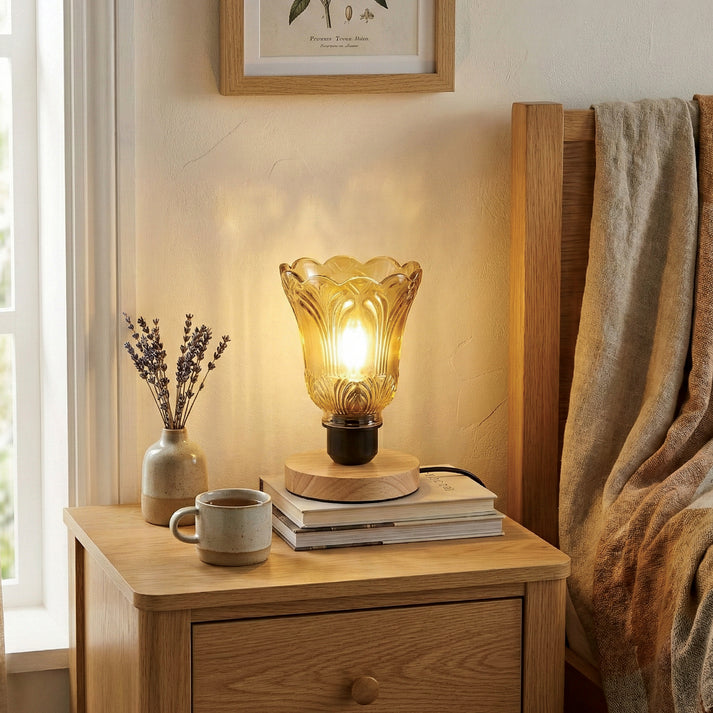
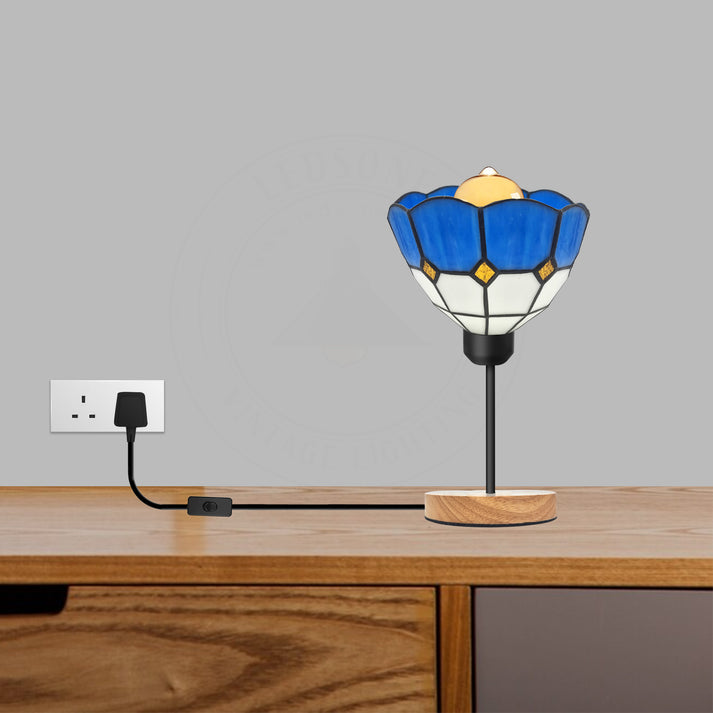
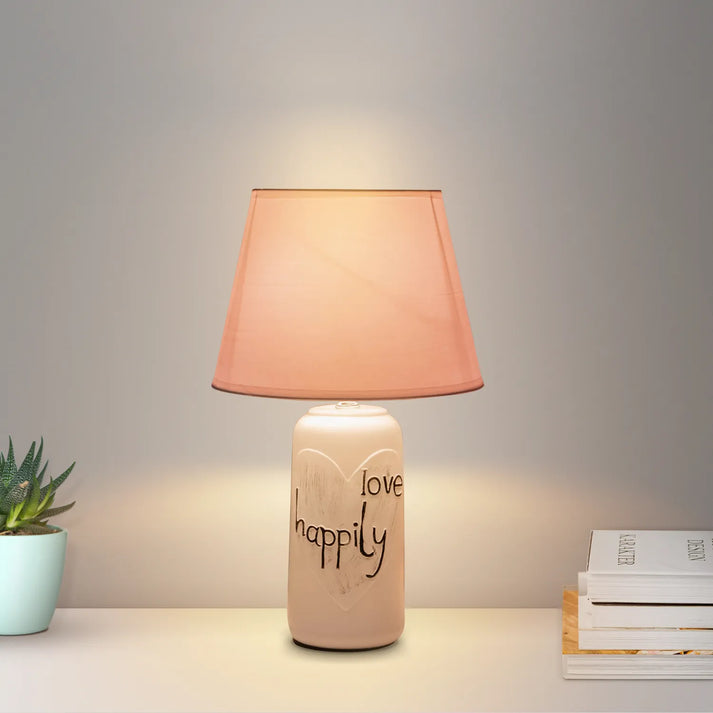
Table lamps are brilliant for adding those crucial extra layers of light without taking up too much precious space. A slim floor lamp tucked into a corner can provide reading light without dominating the room. Table lamps on side tables or consoles add pools of warm light, breaking up any large, dark surfaces. These fixtures are also great for introducing different styles and textures into your decor. Look for designs that are tall and slender or have a small footprint to maximise their impact without overwhelming the room. They help to spread light across different levels, from the floor right up to the ceiling, creating a more balanced and inviting atmosphere.
Illuminate Neglected Corners With Uplighting
Dark corners can make a room feel smaller and more closed off. Using uplighting, perhaps with a floor lamp tucked away or a wall sconce pointing upwards, can draw the eye up and make the ceiling feel higher. This technique visually expands the vertical space. It's a simple trick that can dramatically change the perception of a room's size. Consider placing an uplighter in a corner that usually gets overlooked; it will instantly make that area feel more inviting and less like dead space.
Enhance Recesses With Wall Sconces
Wall lighting for small rooms can be incredibly effective when used thoughtfully. Wall sconces are brilliant for this. Instead of taking up floor or table space, they add light directly to the walls. Placing them strategically, perhaps on either side of a mirror or artwork, can create a sense of depth. If you have any alcoves or recesses, fitting small lights within them can make these architectural features pop, adding visual interest and making the walls seem to recede.
Position Fixtures To Draw The Eye Upwards
Another key aspect of where to place lights in a small room is directing attention upwards. This can be achieved with various types of fixtures. Consider pendant lights that hang lower, drawing the eye down and then up the chain, or wall lights that cast light upwards. Even a well-placed table lamp with a shade that directs light upwards can contribute. The goal is to create a sense of height, making the room feel less confined. This is a core principle of good lighting for small spaces.
- Corners: Use uplighters to make ceilings feel higher and eliminate dark spots.
- Walls: Employ wall sconces to add depth and highlight features without using floor space.
- Above Eye Level: Position lights to draw the gaze upwards, creating a sense of vertical space.
- Near Reflective Surfaces: Place lights next to mirrors or glossy finishes to maximise light bounce.
Choose Fixtures That Complement Your Space
When you're trying to make a small room feel a bit more expansive, the actual light fixtures you pick can make a surprising difference. It’s not just about the light they give off, but their physical presence in the room. Think about how the fixture itself interacts with the space, not just how it illuminates it.
Opt For Streamlined Mid-Century Designs
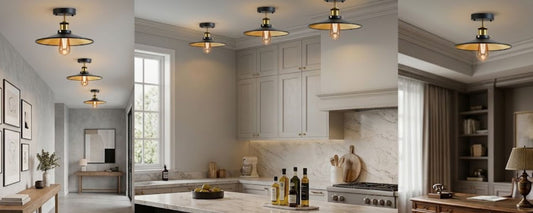
Forget anything too fussy or ornate. Mid-century modern designs are brilliant for small spaces because they tend to be quite simple and clean. They often feature basic shapes and materials that don't visually clutter the room. Look for pieces with clean lines and a minimalist aesthetic. These kinds of fixtures don't demand too much attention, allowing the space itself to feel more open. They’re a great way to add a touch of style without making the room feel smaller. You can find some lovely examples of mid-century light fixtures that fit this bill perfectly.
Select Fixtures With Reflective Or Glass
This is where you can really play with light. Fixtures that incorporate reflective surfaces, like polished metal or glass, do a fantastic job of bouncing light around the room. This means the light doesn't just go straight down; it scatters, filling in shadows and making the space feel brighter and more open. Think about pendant lights with glass shades or wall sconces with metallic finishes. Even a simple flush-mount ceiling light with a mirrored back can help. It’s a clever way to get more visual bang for your buck from each light source.
The Impact Of Colour Temperature And Brightness
The colour and brightness of your lights can really change how a small room feels. It’s not just about having enough light; it’s about the quality of that light. Get it right, and you can make a space feel much more open and inviting. Get it wrong, and you might just make it feel even smaller.
Select Warm White Bulbs For A Welcoming Glow
For most small rooms, especially living areas or bedrooms, you'll want to lean towards warm white bulbs. Think around 2700K to 3000K on the colour temperature scale. This kind of light gives off a gentle, cosy glow that feels really welcoming. It softens the edges of the room and helps blend shadows more smoothly, making corners feel less defined. This can really help a room feel bigger because your eyes aren't hitting sharp, dark boundaries. It’s a bit like how natural daylight feels soft and expansive.
Ensure Consistent Brightness To Eliminate Dark Spots
One of the biggest mistakes people make in small rooms is relying on just one light source, usually a single ceiling fixture. This often leaves corners in shadow, which can make the room feel lower and narrower. To make a space feel larger, you need to spread the light around evenly. This means using multiple light sources – maybe a floor lamp in one corner, a table lamp on a side table, and some wall lights. This layered approach helps to illuminate those neglected spots and creates a more fluid, open feel. It stops the room from feeling like a box with a single spotlight in the middle.
Wrapping Up Your Small Space Lighting
So, there you have it. Making a small room feel bigger isn't some big mystery, and lighting is a massive part of it. We've gone through how using light colours, bouncing light around with mirrors and shiny bits, and even just filling in those dark corners can make a real difference. It’s not about cramming in more lights, but about being smart with what you’ve got and choosing the right bits. Give these ideas a go, and you might be surprised at how much more open and airy your place starts to feel. Honestly, it’s pretty satisfying when a room just feels better.
Frequently Asked Questions
How can I make a small room feel bigger using lights?+
You can make a small room feel bigger by using different types of lights to get rid of dark spots and make the light spread out nicely. Using mirrors and shiny things also helps bounce light around, making the space feel more open.
What kind of light fittings are best for making a room look larger?+
Light fittings with clean, simple designs, like those from the mid-century style, work well. Flush-mount ceiling lights are good because they don't hang down too much. Wall lights (sconces) can make the walls look taller. Lights with shiny parts or glass also help reflect light and make the room feel more airy.
How should I add lighting to a small space?+
In a small room, it's best to mix different kinds of lighting. Use a main light for general brightness, wall lights to brighten up corners, and table lamps to add more light where you need it and create different moods. This layering makes the room feel more interesting and spacious.
How do I get the most natural light into a small room?+
To get the most natural light, keep your windows clear of heavy curtains. Use light, see-through curtains instead. Placing mirrors opposite windows is also a great trick to bounce sunlight around the room, making it feel twice as big.
What's the benefit of using more than one light source?+
Using several lights helps to spread light evenly and stops dark shadows from forming, which can make a room feel smaller. It also gives you more control over the atmosphere and how you use the room, making it feel more welcoming and functional.
Why are light colours important in small rooms?+
Light colours bounce light around better than dark colours, making a room look brighter and feel larger. Dark colours can make a space feel smaller and more closed in. Painting walls and ceilings in light shades, and choosing light-coloured furniture, helps create an open and airy feeling.
Labels:
Vorig
Which Chandelier Suits Your Room? The 2026 UK Buyer's Guide
Volgende
The Ultimate UK Lighting Guide: Lamps, LEDs & Where to Buy the Best