How to Reduce Electricity Bills with Energy-Efficient LED Lighting
Key Takeaways
- LEDs use much less electricity than old incandescent and CFL bulbs, directly lowering your energy bills.
- They last significantly longer, reducing the need for frequent replacements and saving you money and time.
- When choosing LEDs, pay attention to lumens (brightness), watts (energy used), and colour temperature (warmth of light).
- Consider using smart controls like timers and dimmers with your LEDs for even more savings.
- The initial cost of LEDs is higher, but they pay for themselves over time through energy and maintenance savings.
Understanding Your Electricity Bill: Where Does the Energy Go?
Ever looked at your electricity bill and wondered where all that money is actually going? It's not just a single charge; it's a sum of all the energy your household uses. Understanding the breakdown is the first step to cutting down on costs.
Most of us just pay the bill without a second thought, but different appliances and activities use vastly different amounts of power. For instance, your heating and cooling system often takes the biggest slice of the pie, sometimes accounting for nearly half of your total energy use. Then you've got your water heater, which is another significant contributor, followed by things like your fridge, washing machine, and, yes, your lighting.
It's easy to overlook the smaller things, but they add up. Think about all those little electronics plugged in but not actively in use – they're still drawing power, a phenomenon often called 'phantom load'. Even devices on standby can contribute to your bill over time. Knowing these details helps you pinpoint where you can make the most impact.
Your electricity bill is measured in kilowatt-hours (kWh), which is essentially a unit of energy. One kWh is 1,000 watts of power used for one hour. So, a 100-watt light bulb left on for 10 hours uses 1 kWh. By understanding how your usage breaks down, you can start making smarter choices about which appliances to use and when. Learning to read your utility charges is key to identifying areas for improvement and reducing overall consumption understanding your electricity bills is essential for improving a plant's energy efficiency.
The total amount you pay is a reflection of every single device in your home drawing power. Small changes in how you use these devices, or upgrading to more efficient models, can lead to noticeable savings. It's all about being mindful of your energy consumption and making informed decisions.
When we talk about energy efficiency, we're really talking about getting the same amount of 'work' done – like keeping your home warm or lighting a room – using less electricity. This is where things like LED lighting come into play, offering a way to get bright light without the high energy cost of older bulb types. A kilowatt-hour (kWh) represents 1,000 watts of energy used for one hour A kilowatt-hour (kWh) represents 1,000 watts of energy used for one hour.
The Energy Efficiency Advantage of LED Lighting
When we talk about cutting down on electricity bills, lighting is a big one. It's estimated that lighting makes up about 15% of a typical household's energy use. So, making the switch to more efficient bulbs really adds up. LEDs are the clear winners here, offering substantial energy saving LED lighting. They use way less power than those old incandescent bulbs, and even beat out CFLs in many ways.
How LEDs Compare to Incandescent and CFL Bulbs
Let's break it down. Incandescent bulbs are basically tiny heaters that happen to produce light. They waste a huge amount of energy as heat. CFLs (Compact Fluorescent Lamps) were an improvement, but they still have their drawbacks, like containing mercury and taking a moment to warm up to full brightness. LEDs, on the other hand, are different. They're solid-state devices that convert electricity directly into light with very little waste. This means you get more light for less electricity. The benefits of switching to LED lights are pretty clear when you look at the numbers.
Here's a quick comparison:
| Bulb Type | Energy Use (Watts for ~800 Lumens) | Lifespan (Hours) | Energy Savings vs. Incandescent |
|---|---|---|---|
| Incandescent | 60 | 1,000 | N/A |
| CFL | 13-15 | 8,000-10,000 | ~75% |
| LED | 8-10 | 25,000-50,000+ | ~85% |
As you can see, LEDs offer the best of both worlds: lower energy consumption with LED bulbs and a much longer lifespan. This durability means fewer replacements, saving you money and hassle over time. For high-quality products with the greatest energy savings, look for bulbs that have earned the ENERGY STAR.
Key Metrics: Lumens, Watts, and Color Temperature
To make smart choices when buying LEDs, you need to know what those numbers on the packaging mean. Forget about watts being the main measure of brightness; that's old thinking. Now, we look at lumens. Lumens tell you how much light a bulb actually produces. The fewer watts an LED uses to produce a certain number of lumens, the more efficient it is. So, an 8-watt LED might give you the same brightness as a 60-watt incandescent bulb.
Then there's color temperature, measured in Kelvin (K). This affects the mood of a room:
- Warm White (2700K-3000K): Similar to incandescent bulbs, creates a cosy, inviting atmosphere. Great for living rooms and bedrooms.
- Cool White/Bright White (3500K-4100K): A more neutral light, good for kitchens, bathrooms, and workspaces.
- Daylight (5000K-6500K): A crisp, blueish light that mimics natural daylight. Ideal for task lighting or areas where you need to be alert.
Choosing the right lumen output and color temperature for each room is key to getting the most out of your LED lighting for home energy savings. It's not just about saving electricity; it's about creating the right environment too. You can find some great options for energy efficient outdoor lighting if you're looking to upgrade your exterior fixtures as well.
Making the switch to LEDs means you're not just saving money on your electricity bill. You're also reducing waste because these bulbs last so much longer. Plus, they don't contain harmful mercury like CFLs do. It's a win for your wallet and the planet.
Ultimately, the move to LED lights save electricity and offers a significant return on investment. The lower energy consumption with LED bulbs translates directly into lower monthly bills, and the extended lifespan means you won't be constantly buying replacements. It's a straightforward way to achieve LED lighting energy savings throughout your home.
Making the Switch: A Step-by-Step Guide to LED Conversion
So, you're ready to ditch those old energy- bulbs and embrace the future of lighting. Making the switch to LEDs might seem a bit daunting at first, but honestly, it's one of the simplest and most effective ways to start cutting down on your electricity bills. Think of it as a small investment that pays you back over time. Let's break down how to get this done without any fuss.
Assessing Your Current Lighting Needs
Before you rush out and buy a van-load of new bulbs, take a moment to look around your home. Where are you using lights the most? Which rooms have fixtures that are always on, or bulbs that seem to blow every few months? Jotting down a quick inventory can be really helpful. Consider the type of light you need in each area too. Your kitchen might need bright, clear light for food prep, while your living room might be better suited to a warmer, more relaxed glow. Don't forget about outdoor lighting – those porch lights and garden lamps can be big energy drains too.
Choosing the Right LED Bulbs for Each Room
This is where things get interesting. LEDs aren't just one-size-fits-all anymore. You'll see terms like 'lumens' (which measure brightness) and 'watts' (which measure energy use). Generally, you want to find an LED bulb with a lower wattage that produces a similar lumen output to your old bulb. For example, a 60-watt incandescent might be replaced by an LED using only 9-10 watts. You'll also want to think about the colour temperature, often measured in Kelvin (K). Lower Kelvin numbers (around 2700K) give a warm, yellowish light, similar to old incandescent bulbs, while higher numbers (4000K+) produce a cooler, bluer white light. Most people find a warm white (2700K-3000K) perfect for living areas and bedrooms, and a cooler white (3500K-4000K) good for kitchens, bathrooms, or workspaces. Many LEDs are also dimmable, so check the packaging if you have dimmer switches.
Here's a quick guide:
- Living Room/Bedroom: Warm White (2700K-3000K), 800-1100 lumens (equivalent to 60W incandescent).
- Kitchen/Bathroom/Office: Cool White (3500K-4000K), 800-1100 lumens.
- Hallways/Utility Rooms: Natural Daylight (5000K+), 800+ lumens.
- Outdoor Security Lights: Bright White (4000K-5000K), high lumen output.
Remember, while the initial cost of LED bulbs is higher than traditional ones, their incredibly long lifespan and significantly lower energy consumption mean you'll save money in the long run. It's a classic case of paying a little more upfront for substantial savings down the line.
Installation Tips and Considerations
Honestly, installing LED bulbs is usually as simple as screwing in a regular light bulb. Just make sure the power is switched off at the mains before you start, for safety. If you're replacing fluorescent tubes, the process can be a bit more involved. You might need to bypass the old ballast or even replace the entire fixture. For these situations, it's worth looking into how to replace fluorescent lighting with LED technology as there are a few different methods, like retrofitting or replacing the whole unit. Always check the packaging for any specific instructions, especially if you're dealing with dimmable LEDs or smart bulbs. For outdoor fixtures, ensure the LEDs you choose are rated for outdoor use and can withstand the elements. Making the switch to LED lighting is a straightforward process that offers immediate benefits.
Beyond Bulbs: Other Energy-Saving Lighting Strategies
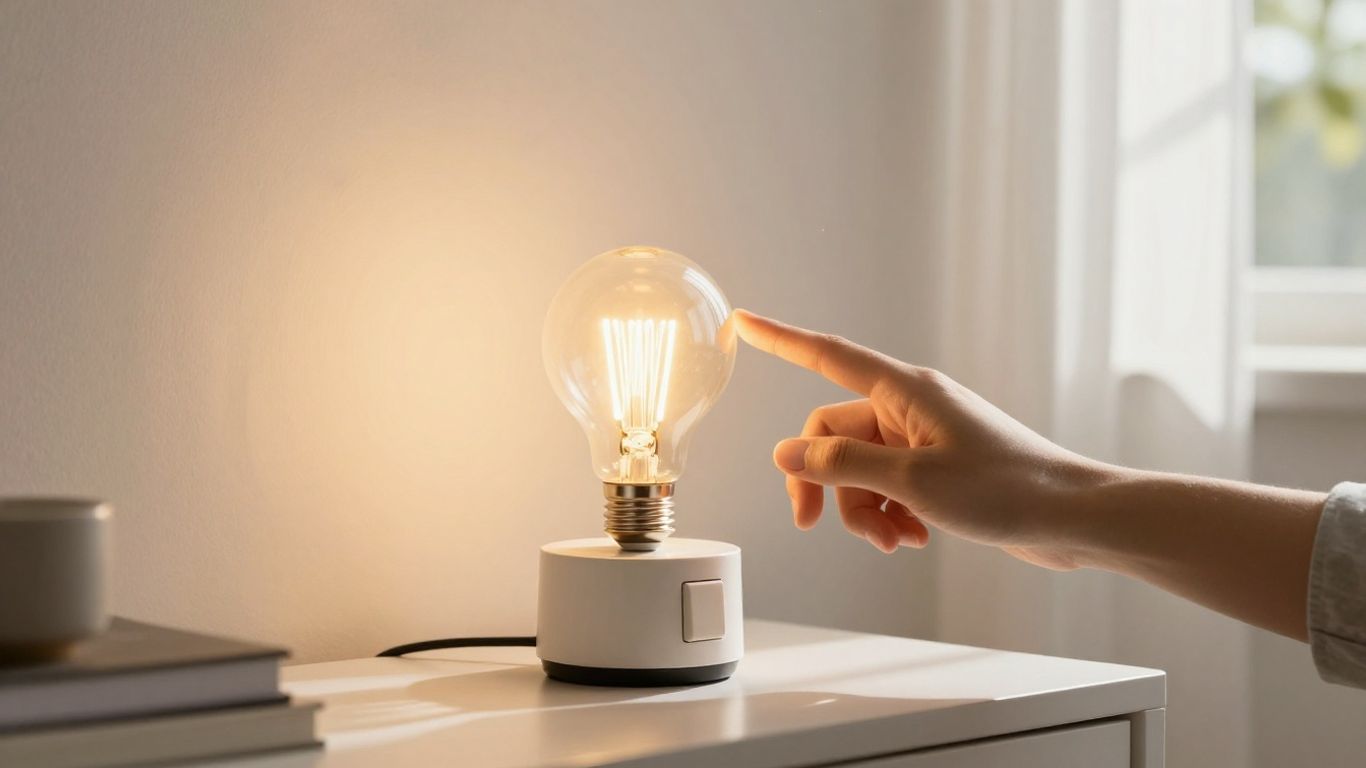
So, you've swapped out your old bulbs for shiny new LEDs. Brilliant! But don't stop there if you're serious about cutting down that electricity bill. There are loads of other energy efficient lighting solutions for homes that can make a real difference.
Think about controls. Installing timers on outdoor lights, for instance, means they won't be blazing away all night unnecessarily. Motion sensors are also brilliant for areas like hallways or porches – the light only comes on when it's actually needed. And don't forget dimmers! They're not just for creating a cosy atmosphere; they can significantly reduce energy use when you don't need full brightness. Making sure your controls are compatible with your LED bulbs is key here, so do a quick check before you buy.
Here are a few more ideas:
- Maximise natural light: Open up those curtains and blinds during the day. It sounds simple, but it really cuts down the need for artificial light.
- Use task lighting: Instead of lighting up a whole room, focus light where you need it. A good desk lamp for reading or a spotlight over your kitchen worktop uses far less energy than a big ceiling light.
- Consider smart lighting systems: These can be programmed to turn lights on and off at specific times, or even adjust brightness based on the natural light available. It might sound a bit fancy, but they can lead to some serious savings over time. You can find some great smart home technology options out there.
Sometimes, the simplest things are overlooked. It's not just about the bulbs themselves, but how and when you use them. Little adjustments can add up to big savings, especially when combined with the efficiency of LEDs. Think about your daily routines and where you might be using light without really needing it.
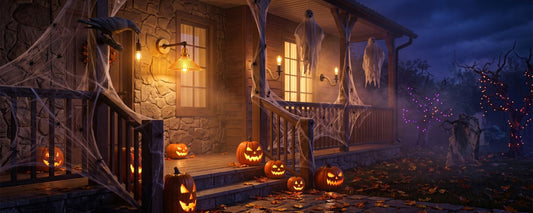
Outdoor lighting is another area ripe for savings. Many LED floodlights are now designed to withstand the elements and come with built-in features like automatic daylight shut-off. Upgrading these can be a surprisingly effective way to reduce your overall energy consumption, contributing to overall home efficiency.
The Long-Term Savings and Environmental Benefits of LEDs
Switching to LED lighting isn't just about a brighter home; it's a smart move for your wallet and the planet. While the initial cost might seem a bit higher than old-fashioned bulbs, the long-term savings LED lighting provides are substantial. Think about it: these bulbs use a fraction of the electricity. This means you'll see a noticeable drop in your monthly bills, which really adds up over the years. Plus, they last ages – we're talking potentially 15 to 25 times longer than incandescent bulbs. That means fewer trips to the shop for replacements and less hassle changing them out, especially in those hard-to-reach spots.
Here's a quick look at what you can expect:
- Reduced Electricity Bills: Significantly lower energy consumption means direct savings on your energy costs.
- Lower Maintenance: Their extended lifespan means you'll buy and replace bulbs far less often.
- Environmental Friendliness: Less energy used means a smaller carbon footprint. LEDs also don't contain harmful substances like mercury, making disposal safer.
The efficiency of LEDs means more of the energy consumed is turned into light, not wasted as heat. This not only saves you money but also contributes to a cooler home environment, potentially reducing air conditioning costs in warmer months.
When you compare LED vs traditional lighting cost, the initial outlay for LEDs is quickly recouped through these ongoing savings. It's a simple way to save money on electricity with LEDs and make a positive impact. You can find ENERGY STAR certified LED bulbs that offer up to 90% more efficiency than older types, making the switch even more compelling [8a24]. Beyond the financial perks, LEDs are also better for the environment because they don't contain mercury and produce less waste due to their longevity [22ea].
Conclusion
Making the switch to LED lighting is a really smart move if you want to cut down on your electricity bills. It's not just about saving money, though. LEDs last ages longer than old bulbs, meaning less hassle changing them, and they're better for the planet too because they use way less energy. So, start swapping out those old bulbs, and you'll see a difference on your bills and feel good about doing your bit for the environment.
Frequently Asked Questions
How much money can I really save by switching to LED bulbs?
You can save quite a bit! On average, homes using LEDs save around £200 a year. It really adds up because LEDs use way less power than older bulbs and last much, much longer. So, while you might spend a bit more at first, you'll get that back and more over time.
Are LED bulbs much better than the old ones?
Yes, they are. Think of it this way: old bulbs were like old cars – they used a lot of fuel and broke down often. LEDs are like modern, efficient cars. They give you the same amount of light, or even better, but use a fraction of the electricity and don't need replacing nearly as often.
What do 'lumens' and 'watts' mean on an LED bulb?
Lumens tell you how bright the light is – more lumens mean a brighter bulb. Watts tell you how much electricity it uses. The cool thing about LEDs is they give you lots of lumens for very few watts, which is why they save energy.
Do I need to change all my light fittings for LEDs?
Not usually. Most LED bulbs are designed to fit into the same sockets as your old ones. You can just unscrew the old bulb and screw in the new LED. It's one of the easiest ways to start saving energy right away.
Can I use LED bulbs outside?
Definitely! Lots of LED bulbs are made for outdoor use and can handle rain and cold. They're great for things like porch lights or garden lights because they use so little energy and last a very long time, even when left on all night.
Are LED bulbs safe for the environment?
Yes, they're much better for the environment. Since they use less electricity, they help reduce the amount of power plants need to run, which means fewer greenhouse gases. Plus, they don't contain harmful stuff like mercury, which is found in some older energy-saving bulbs.
What's 'colour temperature' when talking about LEDs?
Colour temperature is about the look of the light. A low number, like 2700K, gives a warm, yellowish light, like an old-fashioned bulb, which is nice for living rooms. A higher number, like 5000K, gives a cool, bluish-white light, which is good for places where you need to see clearly, like a kitchen or garage.
Is it true that LEDs last 25 times longer than old bulbs?
That's right! Some LEDs can last 25,000 hours or even more. Compare that to a standard incandescent bulb that might only last about 1,000 hours. That means you'll be changing bulbs way less often, which is a big saving on both money and hassle.
Etiquetas:
Anterior
Best Wall Lights for Hallways UK: Style + Practicality Picks
Próximo
The Ultimate Guide to E27 Ceramic Lamp Holders: High-Heat Engineering & Safe Installation