The Ultimate Guide to Wall & Ceiling Lighting - 2026
Thinking about how to light up your home? It's more than just sticking a bulb in a socket, you know. The right wall and ceiling lighting can totally change how a room feels. We're going to look at some cracking options, from fancy chandeliers to simple, effective ceiling lights. It’s all about making your place look good and feel right, whether you're just chilling or having people over. Let's get your home looking its best with some smart lighting choices.
Key Takeaways
- Choosing the right wall & ceiling lighting can make a big difference to the atmosphere of your home.
- Different rooms need different types of lights; think about what you do in each space.
- Consider the style of your home when picking out new light fixtures.
- Don't forget about the practical side, like LED bulb types and ease of installation.
- Avoiding common mistakes, like hanging pendants too low, will save you hassle later.
Understanding Wall & Ceiling Lighting
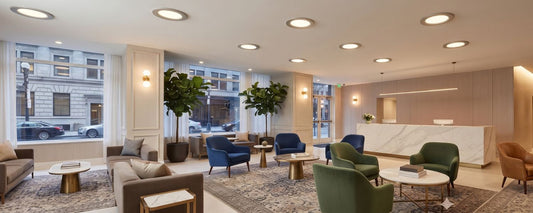
When you're thinking about lighting up your home, the ceiling and walls are your main canvases. They're not just about brightness; they're about setting the mood and making your rooms feel just right. Ceiling lights, like flush mounts or pendant lights, are often the main source of light, giving you that general glow. They can be subtle, blending in, or they can be a real statement piece, like a fancy chandelier.
Then you've got wall lights, or sconces, which are brilliant for adding extra light where you need it, like beside a bed or along a hallway. They can also cast light upwards or downwards, creating interesting shadows and highlighting textures on your walls.
Choosing the right lighting isn't just about picking something that looks nice. It's about how it makes you feel in the space and how well it works for the activities you do there. Getting this right can make a huge difference to your home.
Here are a few things to consider:
- Purpose: What do you need the light for? General illumination, task lighting, or accent lighting?
- Style: Does it fit with the rest of your decor? Modern, traditional, rustic?
- Size: Is it proportionate to the room and the ceiling height?
- Bulb Type: Consider energy efficiency (LEDs are great) and colour temperature (warm for cosy, cool for bright).
Types of Lamp Fixtures Explained
When you're looking at lighting for your home, you'll come across a few main types of fixtures that do the heavy lifting. These aren't just about brightness; they really set the mood and style for a room.
First up, we have chandeliers. These are often seen as the showstoppers, the big statement pieces. Think grand, ornate designs with multiple arms and bulbs, or more modern, sculptural versions. They're brilliant for making an entrance in a hallway or adding a touch of drama to a dining room or living area.
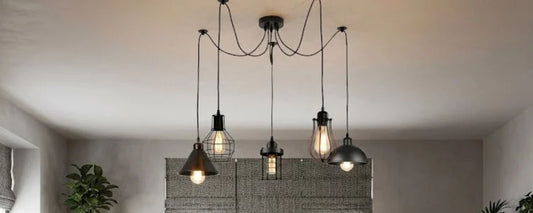
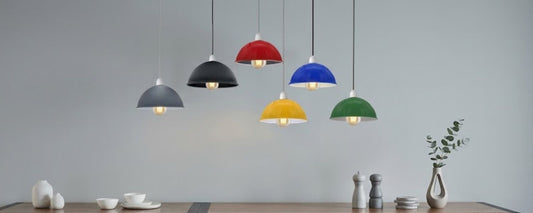
Then there are pendant lights. These hang down from the ceiling, usually by a cord or chain. They're super versatile. You can use a single one as a focal point, perhaps over a kitchen island or a bedside table, or hang a cluster of them at varying heights for a more dynamic look.
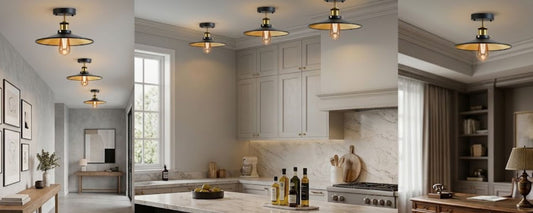
Flush mount and semi-flush mount fixtures are more subtle. Flush mounts sit right up against the ceiling, which is a lifesaver if you have lower ceilings. Semi-flush mounts hang down just a little bit, giving a bit more visual interest without taking up too much space.
Types of Light Fittings Used in UK Homes

When you're looking at lighting for your home, you'll notice there are quite a few different types of fittings available. It's not just about the bulb, but the whole fixture that holds it and how it looks.
Our Top Picks for Your Home


For starters, you've got your flush and semi-flush mounts. These are really popular, especially in homes with lower ceilings, like many in the UK. Flush mounts sit right up against the ceiling, so they don't take up any headroom.
Then there are pendant lights. These hang down from the ceiling on a cord, chain, or rod. They're super versatile. You see them a lot over kitchen islands or dining tables, providing focused light. But honestly, you can use them pretty much anywhere to add a bit of style.
When choosing fittings, think about the overall style of your home. A modern fitting might look out of place in a period property, and vice versa. It's all about creating a cohesive look.
Room-by-Room Lighting Guide
- Living Room: This is your main space for relaxing and having people over. You'll want a mix of lights here. Think a main overhead light, maybe a dimmer so you can soften it up for movie nights. More ideas click here...
- Bedroom: This should feel like a calm retreat. Soft, warm lighting is the way to go. Bedside lamps are a must for reading, and wall sconces can add a nice touch without taking up floor space.
- Kitchen: Functionality is key here. You need good light for chopping veg and cooking. Under-cabinet lights are fantastic for illuminating your work surfaces, and pendant lights over an island look great and provide direct light.
- Bathroom: Bright, clear light is important, especially around the mirror. Lights on either side of the mirror are better than one directly above, as they reduce shadows.
Common Lighting Mistakes to Avoid

Right, so we've talked about all the lovely ways to light up your home, but sometimes, it's just as helpful to know what not to do. Getting lighting wrong can really throw off the whole feel of a room.
1. Wrong Pendant Height
Pendant lights look brilliant, but hanging them at the wrong height is a classic error. Too high, and they look lost. Too low, and you're walking into them.
- Over a dining table: Aim for about 30-36 inches (75-90 cm) from the tabletop to the bottom of the pendant.
- Over a kitchen island: Usually around 36-42 inches (90-105 cm) from the counter surface.

2. Over-lighting Small Rooms
Blasting a small space with too much bright light can make it feel cramped. Sometimes, a softer, more diffused light is far more effective.
Frequently Asked Questions
Think of wall lights, or 'sconces', as lights that shine out from the wall, often to highlight a picture or make a hallway feel welcoming. Ceiling lights are mounted on the ceiling and usually provide the main light for a room. Some hang down, like pendants, while others sit flat against the ceiling, like flush mounts.
For rooms with low ceilings, it's best to choose 'flush mount' or 'semi-flush mount' lights. Flush mounts sit right up against the ceiling, so they don't take up much space. Semi-flush mounts hang down just a little bit, giving a bit more style without being too low.
Light bulbs come in different 'colour temperatures'. A 'warm' light, which is more yellowish, makes a room feel cosy and relaxing, perfect for bedrooms or living rooms. A 'cool' light, which is more bluish, is brighter and more energising, making it better for kitchens or bathrooms.
Not really! Different rooms need different kinds of light. For example, your kitchen needs bright light for cooking, maybe from pendant lights over an island. Your bedroom might prefer softer, dimmable lights for a calm mood.
Layered lighting is like building up light in a room. You start with a main light (like a ceiling light), then add other lights for specific jobs (like a reading lamp by your armchair) and lights to make things look nice (like wall lights highlighting artwork).
Yes, generally! LED lights use much less electricity than older types of bulbs, which saves you money on your bills and is kinder to the planet. They also last a really long time, so you won't have to change them as often.
Let There Be Light!
So, we've looked at a whole bunch of ways to light up your home. It’s pretty clear that the right lighting can really change how a room feels. Don't forget about mixing and matching different types of lights. Whether you're going for a complete overhaul or just want to swap out a tired old fixture, there are loads of options out there to suit your taste and your budget.
Tags:
Previous
Braided Fabric Electrical Flex Cable for Lighting – 2026
Next
Types of Lamp Fixtures : Complete Breakdown for UK Homes