How to Brighten a Dark Corner: Best Lamps, Table Lamps & Wall Lighting Ideas
It's a common problem, isn't it? That one corner of the room that just seems to suck all the light out, leaving it feeling a bit gloomy. You might think you need to install a whole new light fitting or paint everything white, but honestly, it's usually much simpler than that. With a few smart choices about where you put your lights, and what kind of lights you use, you can totally transform those shadowy spots. We're talking about making the whole space feel bigger and way more welcoming. Let's look at some simple dark corner lighting ideas that actually work.
Key Takeaways
- Instead of one super-bright ceiling light, use several lamps at different heights to spread light evenly and avoid glare.
- Focus on lighting the corners furthest from windows; this makes the whole room feel more open.
- Aim lights towards walls and ceilings to bounce light around the room, making it feel larger.
- Use warm white bulbs (around 2700K–3000K) consistently across your fixtures for a cosy, natural feel.
- Consider adding a dimmer switch to control the light levels and create different moods throughout the day.

Floor Lamp
When you've got a corner that just seems to swallow light, a floor lamp can be a real game-changer. These aren't just for reading in an armchair, you know. They're brilliant for casting light upwards, bouncing it off the ceiling and walls, which helps to make the whole room feel brighter and more open. It's a simple trick, but it really works.
The best floor lamp for a dark corner lighting often has a shade that directs light upwards or outwards, rather than just downwards. Think about lamps designed as 'uplighters' or those with a wide, open shade. They can effectively fill a dim space with a soft, ambient glow, much like a wall light would, but without any need for drilling or wiring.
Here's why they're so useful:
- Versatility: You can move them around as needed. If you rearrange your furniture or want to brighten a different spot, just wheel it over.
- Height advantage: Their height means they can cast light over furniture and reach into those awkward nooks.
- No installation: Unlike wall sconces, they plug into a standard socket, making them super easy to set up.
Consider the lumens and colour temperature of the bulb. For living spaces, aim for bulbs between 2,700K and 3,000K for a warm, inviting light. Higher lumens mean more brightness, so if your corner is particularly gloomy, look for bulbs with a higher lumen count, perhaps in the 1,500–3,000 range.
If you're looking for a lamp that can really make a difference, check out options like the Adesso Felix LED Wall Washer, which is specifically designed to wash walls with light, effectively banishing shadows and creating a welcoming atmosphere. It's a great way to add ambient light without taking up too much visual space. You can find some excellent choices for ambient lighting online.
Plug-in Wall Sconce
Sometimes, you just need a bit of light exactly where you want it, without calling an electrician. That's where plug-in wall sconces really shine. They're brilliant for adding focused light to a dim hallway, a reading nook, or even above a bedside table. They offer a stylish way to bring light to a specific spot without any complicated wiring.
These fixtures are super versatile. You can mount them on the wall, and then just plug them into the nearest socket. It's a simple solution for areas that might not have existing light fixtures. Think about a dark landing on the stairs or a corner of your living room that never seems to get enough light. A plug-in sconce can make all the difference.
When picking one out, consider the style of your room. Do you want something modern and minimalist, or more traditional and ornate? The material and finish can also impact the overall look. Some sconces come with adjustable arms, which is handy if you need to direct the light precisely.
Here are a few ideas for where they work best:
- Hallways: Illuminate a narrow passage or a dark entryway.
- Bedside: Provide reading light without taking up space on your nightstand.
- Living Areas: Add accent lighting next to a sofa or armchair.
- Home Office: Brighten up a workspace without cluttering your desk.
Remember to think about the bulb. For a cosy feel, go for a warm white bulb (around 2700K to 3000K). If you need more brightness, look for bulbs with higher lumens, but always check if the sconce is compatible with dimmable bulbs if you want to control the light intensity.
Uplight
Uplights are a bit of a secret weapon when it comes to tackling those gloomy spots. They work by directing light upwards, usually towards the ceiling. This bounced light then spreads out and down, creating a really soft, diffused glow that can make a whole room feel brighter and more spacious. It's a fantastic way to brighten a dark corner without any harsh glare.
The magic of uplighting is in its indirect nature. Instead of shining light straight down, it uses your ceiling as a giant lampshade. This is particularly effective in rooms with lighter coloured ceilings, as they reflect the light more efficiently.
Here's why they're so good for lighting for dark corners:
- Creates a sense of height: By bouncing light upwards, uplights can make ceilings feel higher, which is great for smaller or lower-ceilinged rooms.
- Softens the light: The diffused light is much gentler on the eyes than direct lighting, reducing shadows and creating a more relaxed atmosphere.
- Versatile placement: You can place them behind furniture, in corners, or next to plants to add a warm wash of light where it's needed most.
When choosing an uplight, think about the bulb. You'll want something with a decent lumen output – maybe around 1500–3000 lumens if you're really trying to make a difference. And for that cosy feel, stick to warm white bulbs (around 2700K–3000K).
Don't underestimate the power of a well-placed uplight. It's a simple trick that can completely change the feel of a neglected area, turning it into a cosy, inviting space.


Table Lamp
Table lamps are incredibly versatile, offering a simple yet effective way to introduce light exactly where you need it. They're brilliant for creating those little pools of light that banish shadows, making them a top choice for a lamp for dark corner. Unlike floor lamps, they don't take up floor space, making them ideal for table lamp ideas for small spaces. You can place them on side tables, console tables, or even sturdy shelves to illuminate reading nooks or highlight decorative items.
The key is strategic placement. Think about where you do most of your activities. Need more light for reading in your favourite armchair? Pop a table lamp on the side table next to it. Want to draw attention to a piece of art or a treasured photograph? A well-placed table lamp can do just that.
When choosing a table lamp, consider the height and the shade. A taller lamp with a wider shade can cast light further, while a smaller lamp might be better suited for a tight spot. Don't forget about the bulb! Aim for a warm white bulb (around 2700K–3000K) to create a cosy atmosphere. If you want more control, look for lamps with dimmers – they're a game-changer for setting the mood.
Here are a few table lamp lighting ideas to get you started:
- Task Lighting: Place a directional table lamp on your desk or a side table for focused light when reading or working.
- Ambient Lighting: Use a table lamp with a diffused shade to cast a soft, general glow across a seating area.
- Accent Lighting: Position a smaller, decorative table lamp on a shelf or console to highlight specific objects or create visual interest.
- Corner Boost: A slightly taller table lamp can be a lifesaver for brightening up a dim corner, especially when paired with a lighter lampshade.
Remember, layering your lighting is always best. Table lamps work wonderfully in conjunction with other light sources, like ceiling lights or floor lamps, to create a balanced and inviting environment. They add a touch of personality and warmth that can truly transform a room.


Wall Light
When you're trying to figure out how to brighten a dark corner in the living room, don't forget about wall lights. They're a really versatile option, especially if you're looking for modern wall lights for the living room. Unlike ceiling lights that cast light downwards, wall lights can direct light upwards or outwards, bouncing it off walls and ceilings to create a softer, more diffused glow. This is brilliant for filling in those shadowy spots.
Wall lights are fantastic for creating a layered lighting scheme. Think of it like this: you have your main ceiling light, maybe a floor lamp in the corner, and then you add wall lights to fill in the gaps. This approach stops harsh shadows from forming and makes the whole room feel more welcoming and spacious.
Here are a few ways to use them:
- Accent Lighting: Use them to highlight artwork, architectural features, or even just a particularly nice textured wall. This draws the eye and adds depth.
- Ambient Lighting: Positioned strategically, they can provide a gentle, overall illumination that makes a room feel cosier.
- Task Lighting: Some wall lights can be directed, making them useful for reading nooks or areas where you need a bit more focused light.
When choosing, consider the shade material. Lampshades made from fabric or translucent materials are great because they allow light to spread out more effectively, helping to combat dimness. You can find some really stylish wall lights for living room that won't just add light but will also boost your decor.
Remember that the colour of your walls plays a big part too. Lighter colours reflect light better, so if you've got dark walls, wall lights can work even harder to make the space feel brighter. Combining them with mirrors opposite the light source can really amplify the effect.
Picture Light
Picture lights are a brilliant way to add focused illumination to specific areas, especially artwork or shelves. They're essentially small, often linear, lights designed to be mounted above or around an object. This type of lighting is perfect for drawing the eye and adding a touch of sophistication to a dark corner.
Think of them as a way to create a little spotlight. Instead of just having a general glow, a picture light highlights what you want to see. This can be a favourite painting, a collection of framed photos, or even a particularly interesting architectural feature. They're a form of accent lighting, meaning they're not meant to light up the whole room, but rather to draw attention to something specific.
When choosing a picture light, consider the size of the item you want to illuminate. You don't want a light that's too small and only lights up half the picture, nor one that's so large it overpowers the artwork itself. Many come in various lengths and finishes to match your decor.
Here are a few things to keep in mind:
- Placement is key: Mount the light so it shines directly onto the artwork without causing glare. Usually, this means positioning it a few inches above the frame.
- Bulb choice matters: Opt for bulbs with a warm colour temperature (around 2700K–3000K) to show off colours accurately without making them look harsh.
- Consider dimmability: If you want to adjust the mood or the intensity of the light, look for a dimmable picture light. This gives you flexibility.
Using picture lights can transform a plain wall into a feature. They add depth and interest, making even a dimly lit room feel more curated and inviting. It's a simple trick that makes a big difference.
Shelf Light
Shelves can often become shadowy spots, especially if they're deep or filled with darker items. That's where shelf lights come in handy. These are typically smaller, more focused light sources designed to illuminate the contents of a shelf, whether it's a display of books, decorative objects, or even just a collection of everyday items. They're brilliant for adding a layer of light exactly where you need it, turning a neglected nook into a feature.
They're a fantastic addition to your dark corner lighting ideas. Think about using small, discreet LED strips or even individual puck lights tucked away on the underside of a shelf above. This not only lights up what's on the shelf below but also casts a gentle glow downwards, adding ambiance to the area.
Here are a few ways to use shelf lighting effectively:
- Highlighting Collections: Use focused lights to draw attention to your favourite books, ceramics, or photographs.
- Improving Functionality: If a shelf is used for storage, good lighting makes it easier to find what you need.
- Creating Ambiance: Soft, diffused light from a shelf can add warmth and depth to a room, especially in the evening.
- Integrated Solutions: Some modern shelving units come with built-in lighting, which is a neat way to combine storage and illumination.
When choosing shelf lights, consider the colour temperature of the bulb. Warm white (around 2700K–3000K) usually creates a cosier feel, which is often desirable for living spaces. You'll want to make sure the light output is sufficient for your needs; look for lumens if you need a brighter effect, but for most shelf lighting, a softer glow is the goal.
Using shelf lighting is a clever way to add visual interest and practicality to otherwise overlooked spaces. It's about making every part of your room work for you, not just the brightly lit centre.

Crystal Ceiling Light
While often seen as purely decorative, a crystal ceiling light can actually be a surprisingly effective way to bounce light around a dim room. The facets of the crystals catch and refract light from other sources, scattering it and making the space feel brighter and more dynamic. It's not just about the light it emits, but how it interacts with the light you already have.
Think of it as a disco ball, but for everyday illumination. It adds a bit of sparkle and can make a dark corner feel less like a void and more like an intentional design feature. When choosing one for a darker space, consider:
- Size: Don't go too small, or its light-dispersing effect will be minimal. A slightly larger fixture can make a bigger impact.
- Crystal Quality: Clear, well-cut crystals will reflect light better than opaque or poorly finished ones.
- Bulb Type: Opt for bulbs with a higher lumen output, but ensure they have a warm colour temperature (around 2700K–3000K) so the light feels inviting, not harsh.
A crystal ceiling light can be a fantastic addition to a room that struggles with natural light. It works by scattering existing light, creating a more lively and illuminated atmosphere. It's a way to add a touch of glamour while also solving a practical lighting problem.


Pendant Light
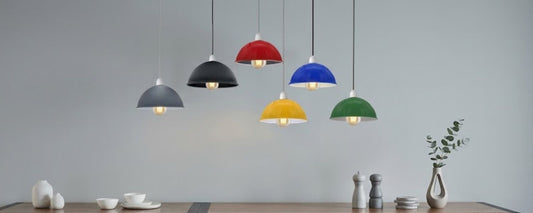
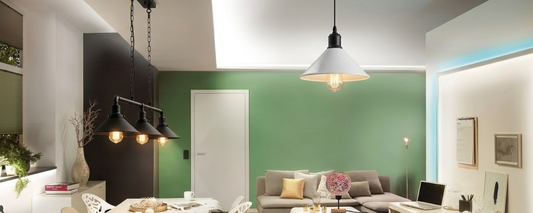
Pendant lights are fantastic for adding both style and illumination, especially in those trickier spots. They hang down, creating a visual focal point, which is great for drawing the eye away from any dim corners. When you're looking for pendant light ideas, think about how they can serve as a key part of your corner lighting ideas. A larger pendant can provide ample light for a whole area, making it a practical choice for darker rooms. They're not just for dining tables, either; consider them for living areas or even hallways to add a touch of sophistication and much-needed brightness.
Don't underestimate the power of a well-placed pendant to transform a space. They can act as a statement piece while also offering functional lighting. When choosing, consider the size of your room and the desired effect. A cluster of smaller pendants can create a unique look, while a single, larger one can provide more focused illumination. These are brilliant for accent lighting ideas for home decor, especially when you want to highlight a specific area or piece of furniture.
Here are a few ways to incorporate pendant lights:
- Over a reading nook: Position a pendant light so it hangs directly over your favourite armchair, providing focused light for reading without needing a separate floor or table lamp.
- In a dim hallway: A stylish pendant can break up a long, dark corridor and make it feel more welcoming.
- As a central feature in a living area: Even if you have other light sources, a pendant can add a decorative element and general illumination.
- Above a side table: If you have a dark corner with a small table, a pendant light can illuminate the surface and any items placed on it.
When selecting bulbs, aim for a warm white (around 2700K–3000K) to create a cosy atmosphere. If you want more control, look for pendants compatible with dimmers. This allows you to adjust the brightness for different moods and times of day, making them incredibly versatile. You can find a wide range of modern pendant lighting options that blend natural materials with contemporary design, adding warmth and texture to your home.

LED Strip
LED strips are a really clever way to add light where you might not expect it, and they're brilliant for tackling those awkward, shadowy spots. They're basically long, flexible circuit boards with tiny LEDs attached, and you can stick them just about anywhere. Think behind your TV for a cool glow, under shelves to highlight what's on them, or even along the back of a sofa to make it look like it's floating. This kind of indirect lighting can make a room feel bigger and more modern.
They're super versatile for creating atmosphere and adding functional light without being too obvious. You can get them in different colours, and many are dimmable, so you can really play around with the mood. Plus, they don't use much electricity and last for ages, which is always a bonus.
Here are a few ideas for using them:
- Behind furniture: Stick them to the back of a TV unit or a bookshelf. This bounces light off the wall, creating a soft, ambient effect that reduces eye strain and makes the furniture appear to float.
- Under cabinets or shelves: Perfect for kitchens or display shelves, these strips illuminate the surface below, making it easier to see and highlighting any items on display.
- Along skirting boards or coving: This can add a subtle glow around the edges of the room, making the space feel larger and more inviting, especially in the evenings.
- Inside wardrobes or drawers: A simple but effective way to see what you're looking for without needing a main light.
When you're choosing LED strips, pay attention to the lumen output if you need actual brightness, but for mood lighting, the colour temperature and dimming capabilities are more important. Make sure you get a good quality adhesive backing, or consider using some extra mounting clips for a more secure fit, especially in areas that might get warm.
Bringing it all together
So, there you have it. Tackling those gloomy corners doesn't have to mean a complete overhaul or a huge expense. By thinking about where you place your lights, using a mix of floor lamps, table lamps, and wall lights, and making sure your bulbs are the right sort of colour and brightness, you can really change how a room feels. It's all about layering light, bouncing it off walls, and filling those shadowy spots. Even small changes, like adding a mirror or pulling furniture away from the wall a bit, can make a big difference. Give these ideas a go, and you'll see your dark spaces transform into cosy, welcoming areas in no time.
What Our Customers Say
Real results from real homes — verified buyer reviews
★★★★★
"I tried the floor lamp uplight trick in my living room corner and the difference is absolutely night and day. The room feels twice as big and so much cosier in the evenings."
Sarah M.
Manchester, UK
Lamp
★★★★★
"The plug-in wall sconce tip was exactly what I needed for my hallway. No electrician, no drilling drama — just lovely, warm light exactly where I needed it."
James T.
Edinburgh, UK
Wall Sconce
★★★★☆
"LED strips behind my bookcase have completely transformed the room. It looks like something out of an interior design magazine — I cannot believe how easy it was."
Priya K.
London, UK
LED Strip
★★★★★
"Added a crystal ceiling light and a table lamp in my dark dining corner. The combination of scattered light and warm glow is just gorgeous. Guests always comment on it."
Caroline H.
Bristol, UK
Crystal Ceiling Light
★★★★★
"The picture light suggestion was a revelation — my hallway art finally gets the attention it deserves, and the whole corridor looks elegant rather than gloomy."
David R.
Leeds, UK
Light
★★★★★
"I was sceptical about uplights but they've completely changed my bedroom. The bounced light off the ceiling feels so natural and restful — like soft daylight."
Nadia F.
Birmingham, UK
Bedroom light
Frequently Asked Questions
Why is my room still dark even with a bright ceiling light?
A single bright ceiling light can create harsh shadows and glare, making the room feel unevenly lit. The best way to brighten a dark room is to use multiple light sources at different heights. This 'layered lighting' fills in the dark spots and makes the whole space feel more open and comfortable.
Where should I put a lamp to make the biggest difference?
Focus on the corners furthest from windows. These areas often feel the darkest and make the room seem smaller. Placing a tall floor lamp or an uplight in these spots can really open up the space. Aiming the light upwards or towards a wall helps too.
Can I brighten a room without adding lots of new lights?
Yes, you don't need many lights! The key is smart placement. Using just a couple of well-placed lamps, like one near your seating and another in a dark corner, can be very effective. It's more about where you put the light than how much you have.
What kind of light bulbs should I use?
For a cosy and natural feel, choose bulbs that are warm white, usually between 2700K and 3000K. It's also a good idea to use bulbs with similar brightness (lumens) and the same colour temperature across all your lamps. This makes the room look more balanced and less patchy.
How do mirrors help make a room brighter?
Mirrors are fantastic for making rooms feel bigger and brighter because they reflect light. Placing a mirror opposite a window or a lamp will bounce that light around the room, making it seem more open and well-lit. It's like adding an extra light source!
What's the best way to light up walls in a dark room?
Lighting up your walls can make a big difference. You can use wall sconces that shine light upwards and downwards, or simply aim a floor or table lamp towards a lighter-coloured wall. This 'wall washing' reflects light back into the room and reduces harsh shadows, making the whole space feel more inviting.
Labels:
Vorig
Ledsone New Arrivals 2026: Discover the Latest Lighting Trends
Volgende
Best Heavy Duty Hanging Chains for Plants & Ceiling Lights in the UK