The Ultimate UK Homeowner’s Guide to Choosing LED Retrofit Lighting in 2026
1. Introduction: Why Retrofit to LED in 2026
It's 2026, and if you're a UK homeowner, the way you light your home is more important than ever. Gone are the days when energy-guzzling halogens or slow-to-start CFLs were the norm. We're firmly in the age of LED, and for good reason. This section will explain why making the switch to LED retrofit lighting isn't just a good idea, but an essential upgrade for your home and your wallet.
The Great Lighting Migration: From Old to New
For years, many homes relied on incandescent, halogen, or Compact Fluorescent Lamp (CFL) bulbs. While they served their purpose, these technologies are now largely obsolete. Halogens, known for their instant brightness but high heat output, are notoriously inefficient. CFLs offered some energy savings but were often criticised for their warm-up time, mercury content, and less-than-ideal light quality.
Enter Light Emitting Diodes (LEDs). These aren't just a newer alternative; they represent a fundamental leap in lighting technology, offering superior performance across the board. The shift away from older bulb types has been accelerated by both consumer demand and legislative changes.
Driving Forces for Adoption in 2026
Several key factors are pushing UK homeowners towards LED retrofit solutions:
- Evolving UK Energy Standards: The UK government, aligned with broader energy efficiency goals, has been phasing out the sale of inefficient lighting products. This means that finding traditional halogen or even some CFLs is becoming increasingly difficult, pushing consumers towards readily available and more compliant LED options.
- The Cost of Living Crisis and Electricity Bills: The significant increases in electricity prices over recent years have made every Watt count. Homeowners are acutely aware of their energy consumption, and lighting, often used for many hours a day, is a prime target for savings. LEDs offer an immediate and tangible way to cut down on energy expenditure.
Unpacking the Benefits of LED Retrofit
The advantages of upgrading to LED lighting extend far beyond simply replacing a bulb. They offer a holistic improvement to your home's efficiency, aesthetics, and environmental footprint:
- Exceptional Energy Efficiency: LEDs convert a far higher percentage of electricity into light compared to traditional bulbs, meaning less energy is wasted as heat.
- Significantly Lower Bills: By drastically reducing energy consumption, LEDs translate directly into noticeable savings on your monthly electricity bill.
- Unparalleled Lifespan: LEDs are built to last. While a halogen bulb might give you 1,000-2,000 hours, a quality LED can offer 15,000, 25,000, or even 50,000 hours of light. This means fewer replacements and less hassle.
- Eco-Friendliness: With their long life and lack of harmful mercury (found in CFLs), LEDs reduce waste and their overall carbon footprint. Their lower energy demand also lessens the burden on power generation.
- Improved Light Quality & Control: Modern LEDs offer a vast array of colour temperatures (from warm white to cool daylight), dimming capabilities, and smart home integration, allowing for precise control over your home's ambiance.
Did you know? Switching to LED lighting can reduce household energy use specifically dedicated to lighting by up to 80%. That's a staggering figure that directly impacts your finances and the planet.
In the following sections, we'll delve deeper into how you can choose the right LED retrofit lighting for your UK home, ensuring you reap all these benefits and more.
2. What Is LED Retrofit Lighting?
In the world of lighting, "retrofit" simply means upgrading your existing light fittings with newer, more efficient technology without having to replace the entire fixture or rewire your home. For UK homeowners, this is a fantastic middle-ground solution, allowing you to embrace the energy-saving and aesthetic benefits of LED without the significant cost and disruption of a full electrical overhaul.
Imagine keeping your favourite lampshade or that perfectly positioned recessed ceiling light, but swapping out the old, energy-hungry bulb for a sleek, modern LED equivalent. That's the essence of retrofitting. It's about smart upgrades, not wholesale demolition.
Understanding the Main Types of LED Retrofit
When considering LED lighting for your home, you'll primarily encounter three distinct approaches. While "retrofit" most purely applies to the first two, the third – integrated LED fixtures – is often considered in the same decision-making process for a complete lighting upgrade.
-
Retrofit Bulbs (e.g., GU10, E27, B22 LEDs)
These are the simplest form of retrofit. You simply unscrew your old incandescent, halogen, or CFL bulb and screw in or push-and-twist an LED equivalent. They come in all the familiar base types (like the popular GU10 for downlights, or E27/B22 for standard screw/bayonet fittings) and are designed to work directly with your existing light fixtures and wiring. -
Retrofit Downlight Kits
Commonly used for recessed ceiling lights (often replacing older halogen downlights), these kits are more than just a bulb. They involve replacing the *entire internal component* of an existing downlight fitting – often including the bulb holder, trim, and sometimes even the transformer – with a self-contained LED unit. Crucially, they fit into the existing ceiling cut-out and connect to your current wiring, making them a significant upgrade without needing to patch plaster or paint. -
Integrated LED Fixtures
While not strictly "retrofit" in the sense of using existing components, integrated LED fixtures are complete, brand-new light units where the LED chips are built directly into the fitting itself. The LED is an inseparable part of the design, meaning you can't just swap out a bulb. These offer the ultimate in efficiency, design potential, and often come with advanced features, but they do require a full replacement of your old light fitting.
Retrofitting vs. Full Replacement: The Key Considerations
Deciding whether to retrofit your existing lights or replace them entirely with new, integrated LED fixtures involves weighing up several factors:
Benefits of Retrofitting:
- Cost-Effective: Generally much cheaper upfront, as you're only buying bulbs or simple kits, not entire new fittings.
- Easier Installation: Often a simple DIY job – just like changing a light bulb.
- Less Disruption: No need for new wiring, plastering, or redecorating. Your existing aesthetics remain largely intact.
- Environmental Impact: Reduces waste by reusing existing fixtures.
Drawbacks of Retrofitting:
- Potential Compatibility Issues: Older dimmer switches might not work perfectly with some LED bulbs without an upgrade.
- Aesthetics: You're limited by the design of your current fixtures.
- Efficiency Limits: While vastly better than old bulbs, a retrofit bulb might not achieve the *absolute* peak efficiency or light distribution of a purpose-built integrated LED fixture.
Benefits of Full Replacement (Integrated LED Fixtures):
- Optimal Performance: Designed from the ground up for LED, offering superior light quality, distribution, and maximum energy efficiency.
- Modern Aesthetics: Access to the latest designs, sleek profiles, and advanced features (e.g., smart home integration, tuneable white, advanced dimming).
- Longer Lifespan: Often come with extended warranties due to the integrated nature of the components.
- Future-Proofing: Built to the latest standards and often compatible with advanced lighting controls.
Drawbacks of Full Replacement:
- Higher Upfront Cost: Replacing entire fixtures is more expensive than just bulbs.
- More Complex Installation: Often requires a qualified electrician, especially for ceiling fittings, leading to labour costs.
- Disruptive: Can involve re-plastering, painting, and more significant work.
Comparing Your LED Lighting Upgrade Options
To help you make an informed choice, here's a quick comparison of the three main options for bringing LED lighting into your home:
| Feature | Retrofit Bulbs | Retrofit Downlight Kits | Integrated LED Fixtures |
|---|---|---|---|
| Installation Difficulty | Very Easy (DIY) | Easy (DIY for competent individuals, but check safety) | Moderate to Hard (Often requires a qualified electrician) |
| Cost (per unit) | Low (£5-£15) | Mid-range (£15-£40) | High (£30-£150+) |
| Flexibility | High (Easily change bulb type, wattage, colour temp) | Medium (Can swap out the kit, restricted by hole size) | Low (LED chip built-in; whole fixture needs replacing for major changes) |
| Best For | Quick, budget-friendly upgrades; maintaining existing aesthetics; renters; specific lamp designs | Upgrading existing recessed lighting without major ceiling work; energy saving in high-use areas | New installations; maximum efficiency & lifespan; modern aesthetic; premium features; specific design visions |
3. Step-by-Step: How to Choose the Right LED Retrofit
Start with Your Existing Fittings (The Physical Fit)
Before you get dazzled by lumens and Kelvin, the very first step is ensuring your new LED retrofit will actually *fit* your existing light fixture. There's a myriad of bulb bases out there, but in UK homes, you'll commonly encounter a few key types:
- GU10: These are typically 'twist-and-lock' spotlights, often found in recessed ceiling fittings in kitchens, bathrooms, and hallways. They have two short, thick pins at the base.
- E27: The classic 'Edison Screw' fitting. This is the larger screw-in base, commonly used in pendant lights, floor lamps, and some wall lights.
- B22: The traditional 'Bayonet Cap'. Often seen in older homes or standard lamps, it has two pins that push in and twist to lock.
- E14: The 'Small Edison Screw'. Essentially a miniature version of the E27, used in smaller fittings like chandeliers, cooker hoods, or decorative lamps.
- MR16: These are often low-voltage spotlights (requiring a transformer) with two thinner pins. They look similar to GU10s but are incompatible.
Top Tip: The easiest way to identify your fitting is to remove your current bulb and check its base. Most bulbs will have the fitting type printed on them.
Inspiration: Choosing a Designer Bulb Shape
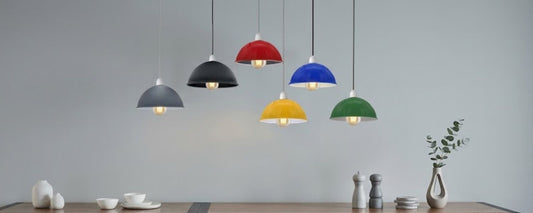
Beyond the technical fit, the decorative choice of bulb shape can transform the aesthetic of a simple fixture. Use this gallery to click on any unique LED bulb shape and see its product details:

Brightness: Lumens, Not Watts!
This is perhaps the biggest shift to understand when moving from old incandescent bulbs to LEDs. With traditional bulbs, we associated wattage directly with brightness (e.g., a 60W bulb was brighter than a 40W bulb). With LEDs, watts indicate energy consumption, while lumens indicate light output (brightness).
An LED bulb uses significantly less wattage to produce the same (or more) lumens than an old incandescent bulb. So, stop looking for "60W equivalent" and start looking for the lumen (lm) rating.
What are Lumens?
Lumens measure the total amount of visible light emitted by a light source. The higher the lumen number, the brighter the light.
What about Watts for LEDs?
An LED's wattage tells you how much energy it consumes. A 9W LED might produce the same light as an 80W incandescent, saving you a huge amount on your electricity bill!
Here’s a handy conversion chart to help you choose the right brightness:
| Old Incandescent Wattage | Approximate LED Wattage | Lumens (Typical) |
|---|---|---|
| 40W | 4-6W | 450-500lm |
| 60W | 7-9W | 800-850lm |
| 75W | 9-13W | 1100-1200lm |
| 100W | 13-15W | 1500-1600lm |
Setting the Mood: Choosing Your Colour Temperature (CCT)
Colour Temperature, measured in Kelvin (K), describes the warmth or coolness of the light. This is crucial for creating the right atmosphere in different rooms of your home.
[Image showing a visual scale of LED colour temperature from Warm White to Daylight]- Warm White (2700K – 3000K): This mimics the cosy, yellowish glow of traditional incandescent bulbs or candlelight. It's perfect for creating a relaxing, inviting atmosphere in living rooms, bedrooms, and dining areas.
- Cool White (3500K – 4000K): A brighter, more neutral white light, sometimes described as 'daylight'. It's excellent for task-oriented areas where you need clarity and focus, such as kitchens, home offices, utility rooms, or bathrooms.
- Daylight White (5000K – 6500K): A very bright, almost bluish-white light that closely resembles natural daylight. While sometimes used for task lighting in garages or workshops, it can feel harsh in residential living spaces. Generally best avoided for general home illumination unless specific tasks demand it.
Considerations: Think about the purpose of each room. Do you want to relax or be productive? Do you have warm or cool décor? Many modern smart bulbs also offer tunable white, allowing you to adjust the Kelvin temperature throughout the day.
See True Colours: Understanding CRI (Colour Rendering Index)
CRI is a measure of how accurately a light source renders colours compared to natural daylight (which has a CRI of 100). The higher the CRI, the more faithfully colours will appear under that light.
- Why it matters: A low CRI light might make your fruit bowl look dull, your clothes appear off-colour, or even make skin tones look unhealthy. High CRI lighting ensures that your décor, food, and even your own reflection look vibrant and true-to-life.
-
Recommendations:
- For general living spaces, aim for an LED with a CRI of 80+. This is generally considered good enough for most applications.
- For areas where colour accuracy is paramount – like kitchens (where you're preparing food), bathrooms (for makeup application), art studios, or dressing rooms – look for CRI 90+. This will provide exceptional colour rendering.
Don't Forget the Nitty-Gritty: UK Energy Labels and Certifications
When buying LED retrofits, especially in 2026, you'll notice new UK energy labels. Since March 2021, the EU (and subsequently the UK) introduced a revised energy labelling system for light sources, moving from the old A+++ scale to a simpler A-G scale.
- What it means: An 'A' rating signifies the highest energy efficiency, while 'G' is the least efficient. Always opt for the highest possible rating within your budget. This directly translates to lower running costs for your home.
- Other certifications: You'll also see the CE mark (indicating compliance with European health, safety, and environmental protection standards) and often the UKCA mark for products sold in Great Britain. These are essential for ensuring the safety and quality of your chosen LED products. Always buy from reputable manufacturers and retailers to guarantee these standards are met.
4. Common Mistakes to Avoid When Upgrading
Upgrading to LED retrofit lighting is a fantastic move for efficiency and aesthetics, but it's also a journey where a few missteps can lead to frustration. Avoid these common pitfalls to ensure your transition is smooth, effective, and truly brilliant for your UK home.
Dimmer Disasters: The Non-Dimmable Dilemma
One of the most frequent headaches homeowners encounter is pairing non-dimmable LED bulbs with existing dimmer switches.
- The Problem: Pop in a non-dimmable LED into a dimmable circuit, and you're in for a world of flicker, buzzing, or bulbs that simply refuse to dim – potentially even shortening their lifespan. Non-dimmable LEDs lack the internal circuitry to handle dimming signals, while older dimmer switches (often 'leading-edge') are designed for high-wattage incandescent bulbs.
-
The Fix:
- Always look for bulbs explicitly marked "Dimmable".
- For the best performance, consider upgrading your dimmer switches to LED-compatible trailing-edge models. This might seem like an extra step, but it guarantees flicker-free dimming and extends the life of your bulbs. Many manufacturers also provide online compatibility tools to check which bulbs work best with their dimmers.
The Narrow View: Ignoring Beam Angles
The way light spreads from your bulb dramatically impacts the feel and functionality of a room.
[Image illustrating the difference between narrow and wide beam angles]- What it is: The beam angle determines how wide or focused the light spread is from your bulb. A narrow angle creates a spotlight effect, while a wide angle diffuses light broadly.
-
Why it matters: Using the wrong beam angle can completely ruin the intended lighting effect.
- Narrow Beam (e.g., 30-60 degrees): Ideal for accentuating features, task lighting over kitchen counters, or creating dramatic spotlights on artwork.
- Wide Beam (e.g., 90-120+ degrees): Perfect for general ambient lighting, illuminating a whole room evenly without creating harsh shadows or dark spots.
- The Fix: Think about the purpose of the light in each area. Do you need to highlight a piece of art (narrow) or brighten a living room (wide)? Don't just grab any bulb; always check the beam angle specifications to match the bulb to its intended use.
A Clash of Hues: Mixing Colour Temperatures
Colour temperature plays a huge role in the mood and perception of your home.
- What it is: Measured in Kelvin (K), colour temperature describes the 'warmth' or 'coolness' of light. Think of a warm, cosy glow (2700K-3000K) versus a crisp, bright daylight feel (5000K-6500K).
- Why it matters: Imagine a living room with one bulb casting a warm, inviting light and another emitting a stark, cool white. It looks jarring, inconsistent, and can seriously impact the ambiance of your home. Different colour temperatures can make colours appear differently and even affect your mood and energy levels.
- The Fix: Strive for consistency within an open-plan area or a single room. Decide on the overall feel you want – warm white for relaxation, cool white for alertness – and stick to it for all bulbs in that space. If you crave flexibility, consider tunable white LED bulbs that allow you to adjust the colour temperature via an app or switch.
The Tech Miss: Overlooking Smart Home Compatibility
The world of smart lighting offers unparalleled convenience and control, but only if you plan for it.
- What it is: Smart LED bulbs connect to your home Wi-Fi or a dedicated hub, allowing control via smartphone apps, voice assistants like Alexa or Google Home, or integration into wider smart home routines.
- Why it matters: Smart lighting offers incredible convenience, advanced energy-saving features (scheduling, presence detection), and the ability to create complex lighting scenes for different moods or activities. You can dim lights from your sofa, set them to turn on when you arrive home, or even change colours for a party.
- The Fix: If you're building a smart home ecosystem or already have one, ensure your chosen LED retrofits are compatible with your existing setup (e.g., Philips Hue, Matter standard). Don't buy standard LEDs only to regret not having smart features later. Plan ahead, and look for bulbs that clearly state their smart home compatibility to avoid a costly re-do.
5. Cost vs Savings: Is LED Retrofit Worth It?
The upfront cost of upgrading to LED retrofit lighting can sometimes give homeowners pause. While it's true that an individual LED bulb typically costs more than its halogen counterpart, this initial outlay is quickly dwarfed by the long-term financial benefits. Let's break down why making the switch is a savvy investment for your UK home.
The Payback Period: Quicker Than You Think!
One of the first questions many ask is, "How long will it take for my LEDs to pay for themselves?" The good news is that for most UK households, the payback period is surprisingly short, often between 1 to 3 years. This timeframe can vary depending on several factors:
- Your existing lighting: Swapping out energy-guzzling halogens will yield faster returns than replacing CFLs.
- Daily usage: Lights that are on for longer periods (e.g., living rooms, kitchens) will generate savings more rapidly.
- Electricity prices: Higher energy tariffs mean quicker savings. Given the fluctuating energy market in the UK, locking in lower running costs is a smart move.
- Number of bulbs: The more bulbs you upgrade, the greater the collective savings, and the faster the overall investment pays off.
Once the initial investment is recouped, every penny saved on your electricity bill thereafter is pure profit in your pocket.
Real-World Savings: Halogen vs. LED Showdown
Let's put some numbers to the talk. Below is a simplified comparison demonstrating the significant difference in running costs between a typical 50W halogen spotlight and an equivalent 5W LED retrofit bulb, based on common UK electricity prices (around 30p per kWh) and an average daily usage of 4 hours.
| Feature | Typical 50W Halogen Spot | Equivalent 5W LED Retrofit | Annual Saving Per Bulb |
|---|---|---|---|
| Wattage | 50W | 5W | - |
| Cost Per Hour | ~£0.015 | ~£0.0015 | - |
| Cost Per 4 Hrs/Day | ~£0.06 | ~£0.006 | - |
| Annual Running Cost | ~£21.90 | ~£2.19 | ~£19.71 |
(Calculations based on 30p/kWh electricity cost and 4 hours daily usage.)
What does this mean for your home? If you have just 20 such spotlights in your home, sticking with halogens would cost you approximately £438 per year in electricity just for those bulbs. Switching to LEDs slashes this to a mere £43.80 per year! That's an astonishing annual saving of nearly £394 on your electricity bill for a typical household. Over five years, that's almost £2,000 back in your pocket – far exceeding the initial cost of the LED bulbs.
Beyond the Bills: Maintenance & Replacement Savings
The financial benefits of LED retrofit lighting extend far beyond just lower electricity bills. Consider these often-overlooked cost-savers:
- Vastly Extended Lifespan: Halogen bulbs typically last around 2,000-3,000 hours. LED retrofits, by contrast, boast lifespans of 15,000 to 50,000 hours, or even more for high-quality units. This means you'll be replacing bulbs 10 to 20 times less often!
- Reduced Replacement Costs: Think about the cumulative cost of constantly buying new halogen bulbs. Over a decade, this can add up significantly. With LEDs, your need to purchase replacements will plummet, freeing up that budget for other home improvements.
- Less Hassle, More Time: Changing a bulb might seem minor, but it's a chore nonetheless. For high ceilings or hard-to-reach fittings, it can even require ladders and a degree of inconvenience or even the cost of hiring someone. With LEDs, you'll rarely have to think about it, saving you time, effort, and potentially even safety risks.
- Environmental Benefit: While not a direct financial saving, reducing the number of bulbs you send to landfill is a positive step for the environment, aligning with the UK's push for sustainability.
In summary, while there's an initial investment, the combined effect of significantly lower running costs and substantial maintenance savings makes LED retrofit lighting an unequivocally worthwhile upgrade for any UK homeowner looking to save money and reduce their environmental footprint in 2026 and beyond.
6. Smart LED Retrofit Options
Okay, you've nailed down the basics of energy-efficient LED retrofit. But what if your lighting could do more than just switch on and off? Welcome to the world of smart LED retrofit options, where convenience, energy savings, and personalised ambiance meet the future of home lighting.
What Makes LEDs "Smart"?
At its core, a smart LED retrofit bulb is designed to fit into your existing light fittings (just like a regular LED retrofit), but it comes equipped with technology – usually Wi-Fi or Bluetooth – that allows it to communicate with other devices. This unlocks a whole new level of control and functionality:
- App-Based Control: From the comfort of your sofa, or even when you're out and about, you can use a dedicated app on your smartphone or tablet to switch lights on/off, dim them, change colours (if applicable), and group them into zones. Forget fumbling for light switches!
- Voice Control: Seamlessly integrate your smart LEDs with popular smart home assistants like Amazon Alexa or Google Assistant. Imagine simply saying, "Alexa, dim the living room lights to 50%" or "Hey Google, turn on the kitchen lights" – it's truly that effortless.
Beyond Illumination: Key Smart Features
Smart LEDs offer much more than just remote control; they bring sophisticated features that can genuinely enhance your home life and manage your energy consumption.
- Energy Tracking: Many smart lighting systems provide valuable insights into your energy usage. You can monitor how much power individual bulbs or groups of lights are consuming, helping you identify areas for further savings and make more informed decisions about your lighting habits. This transparency can be a game-changer for budgeting.
-
Automation & Schedules: This is where smart lighting truly shines. You can set up custom schedules for your lights to:
- Wake you gently: Gradually brighten in the morning for a softer start to your day.
- Welcome you home: Turn on just before you arrive, so you never step into a dark house again.
- Mimic occupancy: Switch on and off randomly while you're away on holiday, creating the illusion that someone is home and deterring potential intruders.
-
Pairing with Sensors: Imagine your lights working in harmony with other smart home devices:
- Motion Sensors: Have lights automatically turn on when you enter a room (like a utility room, pantry, or hallway) and switch off after a period of inactivity – perfect for busy hands or forgotten switches, saving energy effortlessly.
- Daylight Sensors: Adjust brightness based on natural light levels in the room, ensuring optimal illumination without waste and maintaining a comfortable ambiance throughout the day.
Real-World Smart Home Scenarios
Let's paint a vivid picture of how smart LED retrofits can revolutionise your daily routine as a UK homeowner:
- Effortless Evenings: Your exterior lights, porch light, and hallway lights automatically switch on as you pull into the driveway, providing a warm, safe welcome. Inside, your living room lights dim to a cosy setting as the sun sets, all without a single flick of a switch.
- Enhanced Security While Away: While you're enjoying a well-deserved break in the Mediterranean, your living room and bedroom lights follow a pre-set random schedule, making it appear as though someone is home, adding an invaluable layer of security against opportunists.
- Instant Ambiance: One simple voice command, "Alexa, movie time," dims the main lights, turns on a subtle strip light behind the TV, and perhaps even shifts the colour temperature to a warmer hue – all without you lifting a finger, creating the perfect cinematic mood.
Embracing smart LED retrofit options means stepping into a future where your home anticipates your needs, saves you money on energy bills, simplifies your daily life, and looks fantastic doing it – all while being incredibly energy efficient.
7. Eco & Sustainability Angle
A Greener Glow for Your Home
Choosing LED retrofit lighting isn't just about modern aesthetics or saving a few quid on your energy bill; it's a powerful statement about your commitment to a greener planet and a more sustainable future for the UK. In 2026, making eco-conscious choices for your home is more important than ever, and LEDs are at the forefront of this movement.
Lowering Your Carbon Footprint
One of the most significant environmental benefits of switching to LEDs is their dramatic reduction in carbon footprint.
- Energy Efficiency: LEDs consume significantly less electricity than traditional incandescent or even CFL bulbs to produce the same amount of light. This directly translates to a reduced demand on the UK's power grid, leading to fewer greenhouse gas emissions from power generation. Over their lifetime, LEDs can slash your lighting energy consumption by up to 90%, making a substantial dent in your home's overall carbon impact.
- Extended Lifespan: With lifespans often exceeding 25,000 to 50,000 hours, LEDs drastically reduce the frequency of bulb replacement. This means fewer bulbs need to be manufactured, packaged, transported, and disposed of, further lowering their embodied carbon emissions and the resources consumed in their production cycle.
Yes, LEDs are Recyclable!
A common question among environmentally-aware homeowners is, "Are LEDs recyclable?" The answer is a resounding yes! While they shouldn't just go in your household general waste, LEDs fall under the UK's Waste Electrical and Electronic Equipment (WEEE) Directive.
- WEEE Compliance: This directive ensures that electrical and electronic equipment reaching the end of its life is collected and processed responsibly. LEDs contain valuable materials like metals and plastics, which can be recovered and reused, preventing harmful substances from entering landfills and conserving precious resources.
-
How to Recycle Your LEDs:
- Household Waste Recycling Centres: Your local council recycling centre will have designated bins for WEEE, including light bulbs.
- Retailer Take-Back Schemes: Many retailers, especially larger electronics or DIY stores, offer take-back schemes for old electricals when you purchase new ones.
- Specialised Collection Points: Some areas may have dedicated collection points for batteries and small electrical items.
Always check with your local council or retailer for specific guidance on how to properly dispose of and recycle your old LED bulbs.
Playing Your Part in UK Net Zero 2050
By opting for LED lighting, you're not just making a smart choice for your wallet and your immediate environment; you're actively contributing to the UK's ambitious national sustainability targets.
- Net Zero 2050: The UK government's commitment to achieving Net Zero by 2050 aims to bring all greenhouse gas emissions to net zero. Every energy-efficient LED bulb installed in a UK home moves us closer to that target by reducing overall energy consumption and, consequently, carbon emissions from electricity generation.
- Collective Impact: Your individual lighting choices, when multiplied by millions of homes across the UK, create a powerful collective impact. This widespread adoption of energy-efficient technology is crucial for reducing national energy consumption, enhancing energy security, and supporting the transition to a low-carbon economy.
In essence, choosing LED retrofit lighting for your home is an easy, impactful step towards a more sustainable lifestyle, aligning your personal choices with the UK's vital environmental goals.
8. Conclusion: Lighting the Way Forward
As we've journeyed through the intricacies of LED retrofit lighting, one thing becomes brilliantly clear: 2026 presents an unparalleled opportunity for UK homeowners. The decision to upgrade your home's illumination isn't just about replacing a bulb; it's about embracing a brighter, more efficient, and ultimately more rewarding future for your living space.
Why Make the Switch Now?
Let's recap the compelling reasons why transitioning to LED retrofit lighting is one of the smartest home improvements you can make:
- Economical Powerhouse: The most immediate and tangible benefit is the dramatic reduction in your electricity bills. LEDs consume significantly less energy than traditional bulbs, translating into substantial savings year after year. Coupled with their incredible longevity, you'll spend less on replacements too.
- Sustainable Choice: In an era where environmental responsibility is paramount, LEDs stand out. Their lower energy consumption means a reduced carbon footprint for your home. Furthermore, their extended lifespan generates less waste, contributing to a greener planet for all.
- Smarter Living: Beyond savings, LEDs offer superior light quality and flexibility. From choosing the perfect colour temperature to suit different rooms, to enjoying instant-on brightness and seamless dimming capabilities, LEDs empower you to create the ideal ambiance for every moment. They're a modern solution for a modern home.
- Future-Proof Your Home: By upgrading to LED retrofit solutions now, you're not just keeping up; you're getting ahead. You're investing in technology that will serve your home efficiently and effectively for years to come, enhancing both its comfort and its value.
In essence, switching to LEDs in 2026 isn't merely an upgrade; it's a strategic move towards a home that is more smart, sustainable, and economical. You're not just illuminating your rooms; you're illuminating a path to significant savings and a reduced environmental impact.
Ready to start saving? Explore our extensive range of retrofit LED solutions today and brighten your home and your future. Visit Ledsone.co.uk.
Labels:
Vorig
Top Christmas Gift Ideas 2025: Personalised, Sustainable & Stylish Decor
Volgende
Discovering Your Ideal Lighting Store Near Me