Eco-Friendly LED Bulbs UK: Save Energy Without Sacrificing Style
Thinking about switching your home lighting to something a bit more modern and kind to the planet? You're in the right place. This article is all about eco-friendly LED bulbs available here in the UK. We'll look at why they're a smart move for your wallet and the environment, and how you can pick the best ones without making your home look like a science lab. Let's get your home lit up in style, the green way.
Key Takeaways
- LED bulbs use much less electricity than older types, which means lower bills for you.
- They last a really long time, so you won't be changing them all the time.
- Using LEDs helps cut down on pollution because they use less energy.
- There are loads of different LED bulbs, so you can find ones that look good and give the right kind of light for any room.
- Choosing energy-saving LED bulbs UK is a simple way to make your home more eco-friendly and save money.
Introduction to Eco-Friendly LED Bulbs

Right then, let's talk about lighting. If you're anything like me, you've probably noticed your electricity bill creeping up, and you're wondering what you can do about it. Well, one of the simplest, yet most effective, changes you can make is switching to eco-friendly LED bulbs UK. These aren't your grandad's light bulbs; they're a modern solution that's good for your wallet and the planet.
Why LED bulbs are better than traditional lighting
So, what exactly are eco-friendly LED bulbs? Essentially, they're a type of lighting technology that uses Light Emitting Diodes (LEDs) to produce light. Unlike old-fashioned incandescent bulbs that waste a huge amount of energy as heat, LEDs are incredibly efficient. They convert most of the electricity they use directly into light. This means less wasted energy, lower bills, and a smaller carbon footprint for your household.
Here's a quick look at how they stack up:
- Energy Savings: LEDs use up to 90% less energy than traditional bulbs. Imagine that – a massive reduction in power consumption just by changing a bulb!
- Lifespan: They last significantly longer. We're talking tens of thousands of hours, compared to maybe a thousand for an old incandescent. This means fewer trips to the shop and less waste.
- Durability: LEDs are more robust. They're not made of fragile glass like some other types, so they can handle a bit more jostling.
- Environmental Impact: They don't contain harmful materials like mercury, which is a big plus for disposal. Plus, their long life means fewer bulbs end up in landfill.
The shift to LED lighting is more than just a trend; it's a practical step towards a more sustainable lifestyle. By choosing LEDs, you're actively contributing to reducing energy demand and lessening the environmental impact associated with electricity generation. It's a small change in your home that has a ripple effect.
When you're looking around for these bulbs, you'll see terms like 'lumens' and 'wattage'. Don't get too bogged down in the technicalities straight away. The main thing to remember is that LEDs give you the same amount of light (lumens) for much less power (watts). It's a win-win situation, really.
How using LED bulbs lowers your electricity bills in the UK
Switching to LED bulbs in the UK is a really straightforward way to see a noticeable drop in your electricity bills. These bulbs are designed to be super efficient, meaning they use a lot less power to produce the same amount of light compared to older types of bulbs like incandescents or even halogens. This significant reduction in energy consumption directly translates into lower monthly energy costs.
So, how much energy can you actually save with LED bulbs in the UK? Well, it varies, but generally, LEDs use up to 85% less energy than traditional bulbs. Imagine replacing a 60-watt incandescent bulb with an LED equivalent that uses only 9 watts – that's a massive saving on just one light point!
Here’s a quick look at the typical energy savings:
- Incandescent Bulbs: Use around 100% of the energy for light, with most of it lost as heat.
- Halogen Bulbs: Slightly better, but still quite inefficient.
- Energy-Saving Compact Fluorescent Lamps (CFLs): Better than incandescents, but LEDs are generally more efficient and last longer.
- Energy-saving LED bulbs UK: Use significantly less energy, often around 80-85% less than incandescents, and produce very little heat.
This makes them the best energy-saving LED bulbs for UK homes if you're serious about cutting down on your energy usage. The initial cost might be a bit higher, but the long-term savings on your electricity bill, combined with their much longer lifespan, make them a really smart investment. You'll find yourself replacing bulbs far less often, too, which is another hidden saving.
When you look at the overall picture, the tips to save electricity with LED lighting UK are pretty simple: just swap out your old bulbs. The technology does the heavy lifting for you, reducing your carbon footprint and your expenses simultaneously. It's one of the easiest upgrades you can make for a more energy-efficient lighting UK setup.
Environmental impact: Reducing carbon footprint
Switching to LED bulbs is a really straightforward way to make a difference to the planet. Think about it – lighting accounts for a pretty big chunk of the world's electricity use, around 15% according to some figures. Traditional bulbs are energy hogs, and a lot of that energy just gets wasted as heat. LEDs, on the other hand, are much more efficient.
By choosing LEDs, you're directly helping to lower the demand for electricity generation, which often relies on burning fossil fuels. This means fewer greenhouse gases are pumped into the atmosphere, and that's a good thing for everyone. It’s not just about saving money on your bills, though that’s a nice bonus; it’s about actively reducing your carbon footprint.
Here’s a quick look at how LEDs help:
- Less Energy Used: LEDs use significantly less power than old incandescent bulbs for the same amount of light.
- Longer Lifespan: They last much, much longer, meaning fewer bulbs are manufactured and disposed of over time.
- Reduced Heat Output: Less wasted energy as heat means less strain on cooling systems in warmer climates, further saving energy.
Making the switch to LED lighting is one of the simplest, most effective steps households and businesses can take to contribute to a greener future. It’s a small change in your home that adds up to a big impact globally.
When you compare them, the difference is quite stark. An old incandescent bulb might last about 1,000 hours and use a lot of energy. A good quality LED bulb, however, can easily last 25,000 hours or more and uses a fraction of the electricity. It really does make sense for both your wallet and the environment.
Choosing the Right LED Bulb for Your Home
Right then, picking the perfect LED bulb for your place. It sounds simple enough, doesn't it? Just grab one and screw it in. But honestly, there's a bit more to it if you want your lighting to actually feel right. Think about the room you're lighting up. Is it where you kick back with a book, or is it the kitchen where you're rushing about in the morning? That's going to make a difference.
First off, let's talk about how bright you need things to be. Forget watts for a second; that's more about how much energy the old bulbs used. What you really want to look at is lumens. More lumens means a brighter light. So, if you're trying to read, you'll want a higher lumen count. For just general mood lighting, you can get away with fewer.
Here’s a rough guide:
- Reading Nook/Desk: 500-800 lumens
- General Room Lighting: 300-500 lumens
- Hallways/Utility Areas: 200-300 lumens
Next up is the colour of the light itself. This is called colour temperature, and it's measured in Kelvin (K). You'll see terms like 'warm white', 'cool white', and 'daylight'.
- Warm White (around 2700K-3000K): This is like the old incandescent bulbs – a cosy, yellowish glow. Great for living rooms and bedrooms where you want to relax.
- Cool White (around 3500K-4500K): This is a bit brighter, more neutral. It's good for kitchens and bathrooms, or anywhere you need a bit more clarity.
- Daylight (5000K+): This is a very bright, blueish light, mimicking natural daylight. Useful for task lighting or if you just want a really crisp, alert atmosphere.
Then there's the whole dimmable thing. If you like to change the mood lighting in your living room, or if you have a dimmer switch already installed, you'll need to make sure the LED bulbs you buy are labelled as 'dimmable'. Not all LEDs play nicely with dimmer switches, so check the packaging carefully. Using a non-dimmable bulb with a dimmer can cause flickering or even damage the bulb.
Finally, just double-check that the bulb base fits your light fitting. Most common ones are E27 (the big screw-in type) or B22 (the push-and-twist bayonet type), but there are loads of others like GU10 spots or smaller candle bulbs for decorative lamps. It’s a small detail, but getting it wrong means you’ve bought a bulb you can’t even use.
Understanding brightness: lumens vs watts

When you're looking at LED bulbs, you'll see two main numbers thrown around: watts and lumens. For ages, we've all just gone for the wattage, right? Higher watts meant a brighter bulb. But with LEDs, that's not really how it works anymore. Watts actually tell you how much electricity the bulb uses, not how bright it is. Think of it like the engine size in a car – it tells you about its potential, but not necessarily how fast it goes.
Instead, you need to look at lumens. This is the number that actually tells you how much light the bulb gives off. The higher the lumen count, the brighter the room will be. So, if you're replacing an old 60-watt incandescent bulb that gave you a certain amount of light, you'll want to find an LED bulb with a similar lumen output, even though it will use far fewer watts.
Here’s a rough guide to help you switch:
- Incandescent Bulb (Watts) | LED Bulb (Lumens) | Approximate Brightness
- 40W | 450 lm | Soft, ambient light
- 60W | 800 lm | General room lighting
- 75W | 1100 lm | Brighter task lighting
- 100W | 1600 lm | Very bright, for larger spaces
It's a bit of a learning curve, I know. I remember being completely baffled the first time I tried to pick out new bulbs for my living room. I just kept grabbing the same wattages I always had, and the light was all wrong – either too dim or blindingly bright. Once I started paying attention to the lumens, though, it made a world of difference. It’s all about matching the light output to what you actually need for the space.
Colour temperature: warm, cool, or daylight

When you're picking out LED bulbs, one of the most important things to think about is the colour temperature. This isn't about how bright the bulb is, but rather the actual shade of white light it gives off. It makes a big difference to the feel of a room.
Think of it like this:
- Warm White (around 2700K - 3000K): This is the sort of cosy, yellowish light you'd expect from traditional incandescent bulbs. It's brilliant for creating a relaxed atmosphere in living rooms, bedrooms, or anywhere you want to unwind. It feels inviting and comfortable.
- Cool White (around 4000K - 4500K): This is a brighter, more neutral white light. It's great for kitchens, bathrooms, or home offices where you need good visibility and a more energising feel. It's crisp and clean.
- Daylight (around 5000K - 6500K): This is the closest to natural daylight, with a bluish tint. It's really good for task lighting, like in a workshop or for reading, where you need to see fine details. Some people find it a bit too stark for general living spaces, though.
Choosing the right colour temperature can really change how your home feels. Don't just grab any bulb; think about the mood you want to set. A warm glow is perfect for relaxing, while a cooler light can help you focus.
Most LED bulbs will clearly state their colour temperature on the packaging, often using Kelvin (K) as the unit. Some bulbs even offer adjustable colour temperatures, letting you switch between different shades to suit your needs throughout the day. It's worth checking if a bulb is labelled as 'dimmable' too, as this often goes hand-in-hand with controlling the colour temperature on more advanced models.
Dimmable vs non-dimmable LED bulbs

When you're looking at LED bulbs in the UK, one of the first things you'll notice is whether they're labelled 'dimmable' or not. It might seem like a small detail, but it makes a big difference to how you can use your lights.
Non-dimmable LED bulbs are pretty straightforward. They're designed to be switched on and off, and that's it. If you try to use them with a dimmer switch, you'll likely run into problems. They might flicker, buzz, or just not work properly at all. It’s best to use these with a standard on/off switch.
On the other hand, dimmable LED bulbs are made specifically to work with dimmer switches. This means you have much more control over the light in your room. You can turn the brightness down for a cosy evening, or have it bright for when you need to focus. It’s a great way to change the mood of a space without changing the bulb.
Here’s a quick rundown:
- Non-Dimmable LEDs: Use with standard on/off switches only. Trying to dim them can cause damage or poor performance.
- Dimmable LEDs: Designed to work with dimmer switches for adjustable brightness. Look for 'dimmable' on the packaging.
- Compatibility is Key: Not all dimmer switches work with all dimmable LEDs. Sometimes, you might need to swap your old dimmer for an LED-compatible one, especially if you notice flickering or buzzing.
Choosing the right type of LED bulb for your dimmer setup is important. Using a non-dimmable bulb with a dimmer switch is a common mistake that can lead to frustration and potentially damage the bulb or the switch. Always check the packaging to make sure you're getting the right kind for your needs.
So, if you want that flexibility to adjust the lighting in your living room or bedroom, make sure you're opting for dimmable LED bulbs UK wide. It really does let you fine-tune the atmosphere in your home.
Compatibility with pendant lights, table lamps, wall lights, and LED modules
When you're switching to LED bulbs in the UK, it's not just about the bulb itself; it's about how it fits into your existing light fixtures. Thankfully, LEDs are pretty adaptable.
Most standard fittings, like the common bayonet (B22) and screw (E27, E14) caps, are directly compatible with LED bulbs. This means you can often just unscrew your old bulb and screw in a new LED one without any fuss. This applies to a wide range of lights:
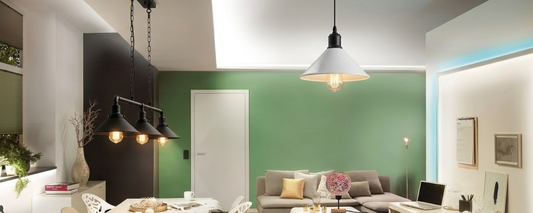
- Pendant Lights: Whether it's a single statement piece over your dining table or a cluster in the kitchen, most pendant lights designed for traditional bulbs can take an LED equivalent. Just check the bulb fitting and the maximum wattage the fixture can handle (though LEDs use so little power, this is rarely an issue).
- Table Lamps & Floor Lamps: These are usually the simplest to convert. As long as the lamp has a standard socket, you can pop in an LED bulb. Consider the colour temperature and brightness to create the right mood for reading or general room lighting.
- Wall Lights: Sconces and other wall-mounted fixtures also typically use standard bulb fittings, making the transition to LED straightforward.
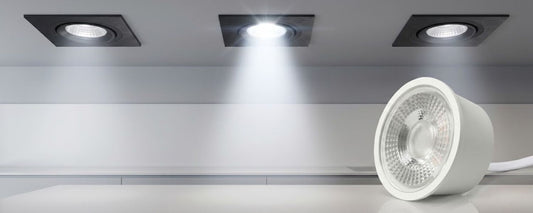
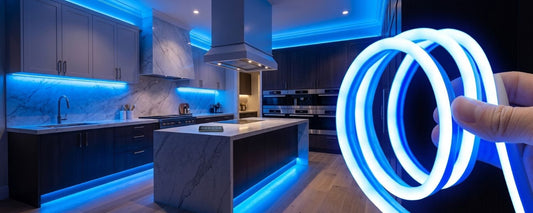
LED Modules: For some modern fixtures, especially integrated LED units or strips, you won't be replacing individual bulbs. Instead, the entire module might need replacing if it fails. However, the technology behind these modules is still LED, offering the same energy savings and longevity benefits. Sometimes, you can find retrofit kits to convert older, non-LED integrated fixtures.
It's worth noting that while most LEDs are designed to work with standard fixtures, some older dimmer switches might not be fully compatible with dimmable LED bulbs. You might need to upgrade your dimmer switch to a model specifically designed for LEDs to avoid flickering or buzzing. Always check the bulb's packaging for compatibility information, especially regarding dimmers.
Stylish LED Bulbs for Modern UK Interiors
When you think about making your home more eco-friendly, you might first consider solar panels or better insulation. But don't forget about your lighting! Upgrading to stylish LED bulbs UK can make a big difference, not just for the planet but for your home's look and feel too. It's amazing how much a simple bulb can change a room's atmosphere.
Gone are the days when energy-saving meant dull, uninspired lighting. Today's market is brimming with options that blend efficiency with serious aesthetic appeal. Whether you're aiming for a cosy nook in the living room or a vibrant workspace, there's a sustainable lighting UK solution waiting for you. These aren't just functional items; they're design elements in their own right, contributing to the overall vibe of your space. You can find LED bulbs for home UK that perfectly match your decor, from minimalist modern to classic vintage.
Think about the impact of lighting on your mood and the general ambiance. The right LED lighting for home interiors UK can transform a space from ordinary to extraordinary. It’s about creating a welcoming environment that reflects your personal style while also being kind to your wallet and the environment.
- Filament LEDs: These are fantastic for recreating that warm, nostalgic glow of traditional Edison bulbs. They look brilliant in exposed fixtures or pendant lights, adding a touch of vintage charm.
- Decorative Shapes: From globes to candles and spirals, there's a huge variety of decorative LED bulbs available. They're perfect for making a statement in hallways, bedrooms, or dining areas.
- Coloured LEDs: For something a bit more adventurous, smart colour-changing LEDs allow you to set the mood for any occasion, controlled right from your phone.
Choosing the right LED bulb is about more than just brightness; it's about setting the scene. Consider the colour temperature and the overall design of the bulb itself to complement your interior design choices. A well-chosen bulb can be a focal point, enhancing the style of your room.
If you're wondering Where can I buy high-quality eco-friendly LED bulbs in the UK?, look no further. You can shop LEDSONE UK for a wide selection of energy-saving bulbs, modules, and stylish lighting solutions suitable for all home interiors. They offer a great range that caters to both the eco-conscious consumer and the style-savvy homeowner.
Decorative LED bulbs for living rooms and bedrooms
When you're thinking about making your living room or bedroom feel just right, the lighting plays a massive part. It's not just about seeing, is it? It's about creating a mood. And this is where decorative LED bulbs really shine. Forget those plain, functional bulbs for a moment. We're talking about bulbs that are designed to be seen, adding a touch of style even when they're switched off.
So, can LED bulbs improve your home décor? Absolutely. Think about the classic filament bulbs, but now with all the energy-saving benefits of LED technology. These are often called Edison bulbs or vintage LEDs. They have that lovely warm glow and visible filaments that look fantastic in exposed fixtures, like those stylish pendant lights or minimalist lamps. They're perfect for creating a cosy, inviting atmosphere in a bedroom or a relaxed vibe in the living room.
Here are a few ideas for using decorative LEDs:
- Statement Fixtures: Use a large, eye-catching decorative LED bulb in a simple pendant light. The bulb itself becomes the main feature.
- Ambient Lighting: Place several smaller decorative LEDs in a multi-bulb fixture or string lights to create a soft, warm backdrop.
- Accent Pieces: A single, unique decorative LED in a table lamp can draw attention to a specific corner or piece of furniture.
- Retro Charm: Pair vintage-style filament LEDs with industrial or rustic décor for a cohesive look.
The best part is that you don't have to sacrifice energy efficiency for style. These eco-friendly LED bulbs for living room and bedroom UK homes offer the best of both worlds. They use a fraction of the energy of old-fashioned bulbs and last for ages, meaning fewer replacements and less waste. It’s a win-win for your home and the planet.
Filament and designer LED bulbs for ambient lighting
When you're aiming for that cosy, inviting glow in your living room or bedroom, filament and designer LED bulbs really come into their own. Forget harsh, sterile light; these bulbs are all about creating a mood. They cleverly mimic the look of traditional Edison bulbs, with those visible filaments that give off a wonderfully warm, soft light. It's a fantastic way to add a touch of vintage charm or a modern, artistic flair to your space without using loads of electricity.
These aren't just about looks, though. They're designed to provide ambient lighting, meaning they're perfect for general illumination where you want a relaxed atmosphere rather than bright task lighting. Think of them as the stylish backbone of your room's lighting scheme.
Here's a quick rundown of what makes them special:
- Aesthetic Appeal: The visible filaments and often decorative glass shapes add a real visual interest, even when the light is off.
- Warm Glow: They typically emit a very warm colour temperature (often around 2200K-2700K), which is incredibly cosy and relaxing.
- Energy Savings: Despite their vintage look, they use a fraction of the energy of old incandescent bulbs, saving you money and helping the planet.
- Dimmable Options: Many are dimmable, giving you even more control over the mood and brightness.
Choosing the right filament or designer LED bulb can transform a room. It’s about more than just light; it’s about creating an atmosphere that feels just right for relaxing or entertaining. They offer that sought-after blend of classic style and modern efficiency, making them a smart choice for anyone looking to add character to their home lighting.
When you're picking one out, consider the size and shape. Some are classic globe shapes, others are more elongated or even candle-like. Make sure the base type (like E27 or B22) matches your existing fittings. It’s a simple swap that can make a big difference to the feel of your home.
Matching LED bulbs with LEDSONE products
When you're looking to upgrade your home lighting with LEDSONE products, picking the right bulbs is key to getting the most out of your new fixtures. It’s not just about screwing in any old bulb; you want one that works well with the specific LEDSONE item you've chosen, whether that's a sleek pendant light, a modern wall sconce, or even a smart module.
Think of it like this: the bulb is the heart of the light, and the LEDSONE product is the body that houses it. They need to be compatible to perform at their best. For instance, if you've got a dimmable LEDSONE fixture, you'll absolutely need to pair it with a dimmable LED bulb. Using a non-dimmable one will either mean it won't work at all, or it might flicker annoyingly, which is hardly the vibe you're going for.
Here’s a quick rundown of what to look out for:
- Fixture Type: Check if your LEDSONE product is designed for standard screw-in bulbs (like E27 or B22), smaller bayonet types (like GU10), or integrated LED modules. This dictates the physical shape and base of the bulb you need.
- Dimmability: If your LEDSONE fixture has dimming capabilities, make sure the bulb explicitly states it's 'dimmable'. Not all LEDs are, and using the wrong type can cause issues.
- Colour Temperature: LEDSONE often offers products designed for specific moods. A living room pendant might look best with a warm white (around 2700K) bulb for a cosy feel, while a kitchen spotlight might suit a cooler, brighter daylight bulb (around 5000K).
- Brightness (Lumens): Consider the room size and the purpose of the light. A desk lamp needs focused brightness (higher lumens), while ambient lighting in a bedroom might require less. LEDSONE product descriptions usually give a clue about the intended brightness.
It’s always a good idea to check the specific compatibility notes for your chosen LEDSONE product. They often recommend certain types or even specific bulb models that are known to work perfectly. This little bit of attention upfront means you avoid any lighting headaches later on and get that perfect glow you're after.
Tips to Maximise Energy Savings with LED Bulbs
So, you've made the switch to LED bulbs, which is brilliant for your wallet and the planet. But how do you get the absolute most out of them? It's not just about screwing them in and forgetting about them, though they do last a good while.
Making smart choices with your lighting can really add up. Think about how you use your lights throughout the day. Do you often leave lights on in rooms you're not using? That's a classic energy drain.
Here are a few practical ways to squeeze every bit of efficiency out of your LEDs:
- Smart Lighting and Timers: These are your best friends for energy saving. Smart bulbs let you control them from your phone, so you can switch off lights you've accidentally left on from anywhere. Timers are also fantastic; you can set them to turn lights on and off automatically, which is great for security when you're away or just to make sure lights aren't burning bright all night.
- Pairing with Dimmers and Modules: Not every situation needs full brightness. Using LED-compatible dimmer switches means you can dial down the light when you only need a bit of mood lighting, saving energy. LED modules, often found in downlights or strips, can also be controlled for specific brightness levels.
- Mindful Usage: This might sound obvious, but it's worth saying. Get into the habit of switching off lights when you leave a room. It's a simple behavioural change that makes a big difference over time. Also, try to group tasks that require bright light into one area rather than lighting up the whole house.
Don't forget that LEDs don't produce much heat, unlike old incandescent bulbs. This means they're not contributing to heating up your room, which can actually save you a bit on your air conditioning bills in the summer. It's a win-win, really.
- Maintenance for Longevity: While LEDs are tough, keeping them clean is important. Dust build-up can dim the light output, meaning you might be tempted to use brighter (and more energy-hungry) bulbs unnecessarily. A quick wipe down every now and then keeps them performing at their best. Also, try to avoid flicking lights on and off constantly; while LEDs are much better than older types, frequent switching can still shorten their lifespan.

Using smart lighting and timers
You know, one of the neatest things about modern LED bulbs is how much control you can get over your lighting. It’s not just about flicking a switch anymore. We're talking about smart lighting systems and timers, which can really make a difference to your energy use and even your daily routine.
Think about it: how often do lights get left on in rooms you're not even in? It happens to all of us. Smart bulbs, often controlled through an app on your phone or even by voice commands, let you manage your lights from anywhere. You can set schedules so lights turn on when you're usually home and off when you're out, or even when you're asleep. This isn't just about convenience; it's a proper way to cut down on wasted electricity.
Timers are another simple but effective tool. You can get plug-in timers for lamps or even integrated timers within smart home systems. Setting them up is usually pretty straightforward:
- Identify Usage Patterns: Figure out which lights are on unnecessarily.
- Set Schedules: Program lights to turn on and off at specific times.
- Utilise Away Modes: Many smart systems have modes that mimic occupancy when you're on holiday.
- Integrate with Sensors: Some systems can link with motion or door sensors for automatic control.
These systems can also be linked with dimmers. Instead of lights blasting at full brightness all evening, you can have them set to a softer, more energy-saving level. It’s a bit like having a personal lighting assistant, making sure the lights are just right, when you need them, and not a moment longer.
The real beauty of smart lighting and timers is how they blend into the background. You set them up once, and then they just work, quietly saving energy and making your home feel more comfortable and secure. It’s a small change that adds up to significant savings and a more efficient home.
Combining LED bulbs with dimmers and modules
So, you've picked out some brilliant new LED bulbs, but how do you get the most out of them, especially when it comes to controlling the light? This is where dimmers and smart modules really come into their own. It's not just about flicking a switch anymore; it's about crafting the perfect atmosphere for any moment.
Pairing your LEDs with the right dimmer switch is key to avoiding that annoying flicker or buzz. Not all LED bulbs are created equal when it comes to dimming, and neither are all dimmer switches. You need to make sure they're compatible. Look for dimmable LED bulbs specifically – they'll usually say so on the packaging. Then, check if your existing dimmer is designed for LEDs. Older dimmer switches, often called 'leading edge' dimmers, might not play nicely with LEDs. You might need to switch to a 'trailing edge' dimmer or a universal LED dimmer. It makes a world of difference to the smoothness of the light.
Here’s a quick rundown of what to look for:
- Dimmable LED Bulbs: Always check the packaging. If it doesn't say 'dimmable', assume it's not.
- LED-Compatible Dimmers: These are designed to work with the lower power requirements of LEDs, preventing issues like flickering or humming.
- Minimum Load: Some dimmers have a minimum wattage they need to operate correctly. Make sure your total LED wattage meets this minimum.
- Maximum Load: Similarly, don't overload your dimmer switch with too many bulbs.
Beyond simple dimmers, smart modules offer even more control. These little gadgets can be integrated into your existing lighting circuits, often hidden away in junction boxes or behind switches. They allow you to control your lights remotely via a smartphone app or voice commands, and crucially, they often come with advanced dimming and scheduling features. Think about setting your lights to gradually brighten in the morning, mimicking a sunrise, or dimming automatically at bedtime. It’s about making your lighting work for you, saving energy and adding a touch of modern convenience.
Integrating smart modules can seem a bit technical at first, but many are designed for straightforward installation, especially if you're comfortable with basic wiring. The payoff is significant, offering a level of control and automation that traditional lighting simply can't match. It’s a step towards a truly responsive and energy-conscious home.
Maintaining LED bulbs for longevity
LED bulbs are pretty brilliant, aren't they? They last ages, which is a big part of why we love them. But even the best things benefit from a bit of TLC. Taking care of your LED bulbs means they'll keep shining brightly for even longer, saving you hassle and money.
It's not complicated, honestly. Think of it like looking after any appliance; a little attention goes a long way. Here are a few pointers:
- Keep them clean: Dust is the enemy of light. It settles on the bulb and can make it look dimmer than it is. A quick wipe with a dry, soft cloth every now and then is usually all that's needed. Make sure the power is off before you do this, obviously!
- Avoid constant flicking: While LEDs are tough, switching them on and off all the time can still reduce their lifespan. Try to get into the habit of leaving lights on if you're just popping out for a minute, rather than turning them off and on repeatedly.
- Check your fittings: Make sure the bulb is screwed in properly. A loose connection can sometimes cause issues, like flickering, which isn't great for the bulb's electronics.
Sometimes, you might notice a bulb flickering or making a faint buzzing sound. Often, this isn't the bulb itself failing, but rather an issue with the dimmer switch it's connected to. Many older dimmer switches aren't designed for the low power draw of LEDs and can cause these problems. If you're experiencing this, it might be worth looking into an LED-compatible dimmer switch. They're not too pricey and can make a big difference.
When it's finally time to say goodbye to an LED bulb, don't just chuck it in the bin. While they don't contain nasty chemicals like some older bulbs, they do have components that can be recycled. Check with your local council or look for recycling points at larger electrical stores. It's a small step that helps reduce waste.
Are LED bulbs safe for children and pets?
When it comes to safety around the house, especially with little ones and furry friends running about, it's natural to wonder about the things we use every day. Thankfully, LED bulbs are a pretty safe bet. Unlike some older types of bulbs that could get really hot to the touch, LEDs stay much cooler. This means less chance of accidental burns if a curious hand or a playful paw gets a bit too close.
Another big plus is that LEDs don't contain any nasty chemicals like mercury, which you might find in fluorescent bulbs. So, if a bulb were to break (though they're quite robust!), you don't have to worry about toxic fumes or a complicated clean-up. It's just glass and plastic, mostly.
Here's a quick rundown of why they're a good choice:
- Cooler Operation: They generate significantly less heat than traditional bulbs, reducing burn risks.
- No Hazardous Materials: Free from mercury and other toxic substances.
- Durable Design: Generally more resistant to breakage than older bulb types.
While LEDs are safe, it's always a good idea to keep any light bulbs, regardless of type, out of reach of very young children and pets. If a bulb does break, simply sweep up the pieces carefully and dispose of them normally. No need for special precautions.
So, you can rest easy knowing that switching to LED lighting is a safe and sensible choice for your entire family, pets included.
The Final Flicker
So, there you have it. Switching to LED bulbs in the UK is a no-brainer, really. You get to slash your energy bills, which is always a win, and you're doing your bit for the planet too. Plus, with so many stylish options out there now, from those cool vintage-looking ones to sleek modern designs, you don't have to compromise on how your home looks. It’s a simple change, but it makes a big difference. Honestly, it’s one of those easy wins that just makes sense for your wallet and the environment. Why wouldn't you make the switch?
Frequently Asked Questions
Why should I switch to LED bulbs in the UK?
LED bulbs are a brilliant choice because they use much less electricity than old-fashioned bulbs, saving you money on your energy bills. Plus, they last way longer, meaning you won't be changing them as often. They're also better for the planet as they use less energy and don't contain harmful stuff like mercury.
How much money can LED bulbs actually save me?
You can see a big difference in your electricity bills! LED bulbs can use up to 90% less energy than traditional bulbs. Over time, this adds up to significant savings, making them a really smart investment for your home.
What's the difference between lumens and watts on LED bulbs?
Watts tell you how much energy a bulb uses, while lumens tell you how bright it is. With LEDs, you want to look at lumens to know how much light you'll get. You can often get the same brightness (lumens) with a much lower wattage compared to older bulbs.
How do I pick the right colour for my LED bulbs?
LEDs come in different 'colour temperatures'. 'Warm white' is cosy and good for living rooms, 'cool white' is brighter and great for kitchens or bathrooms, and 'daylight' is very bright, like natural sunshine, good for task areas. Think about the mood you want to create in each room.
Can I use LED bulbs with my existing dimmer switches?
Not all LED bulbs work with dimmer switches. You need to specifically look for 'dimmable' LED bulbs. If you try to use a non-dimmable one with a dimmer, it might flicker or not work properly.
Are LED bulbs safe for kids and pets?
Yes, absolutely! Unlike some older bulbs, LEDs don't contain mercury or other hazardous materials, making them much safer. They also don't get as hot as traditional bulbs, which reduces the risk of burns.
How long do LED bulbs really last?
LED bulbs are built to last a really long time! Many can last for 20,000 to 25,000 hours or even more. That's many years of use, meaning fewer trips to the shop for replacements and less waste.
What does 'A rated' mean for LED bulbs?
'A rated' on LED bulbs usually refers to energy efficiency labels. An 'A' rating means it's very energy efficient, using the least amount of electricity to produce light. It's a good indicator that the bulb will help you save on your energy bills.
Etiquetas:
Anterior
Romantic Valentine's Day Lighting Ideas - 2026
Próximo
Easter Sales 2026: The Ultimate Guide to Refreshing Your Home