
Lighting Collection
-11%
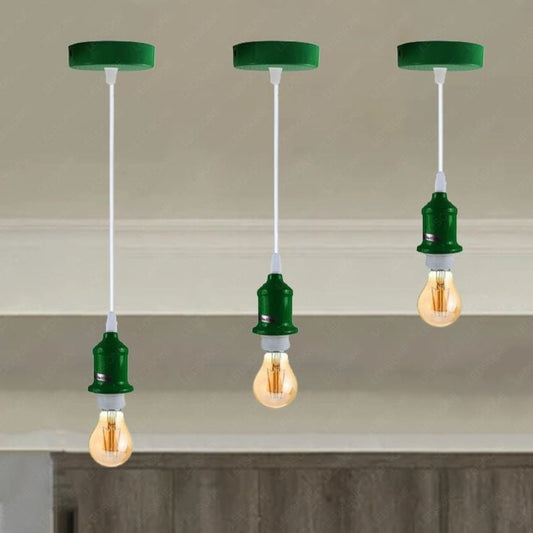
Industrial Vintage Various colours Ceiling Light Fitting E27 Pendant Light ~4050
Regular price
£8.89 GBP
Sale price
£9.89 GBP
In Stock
-12%
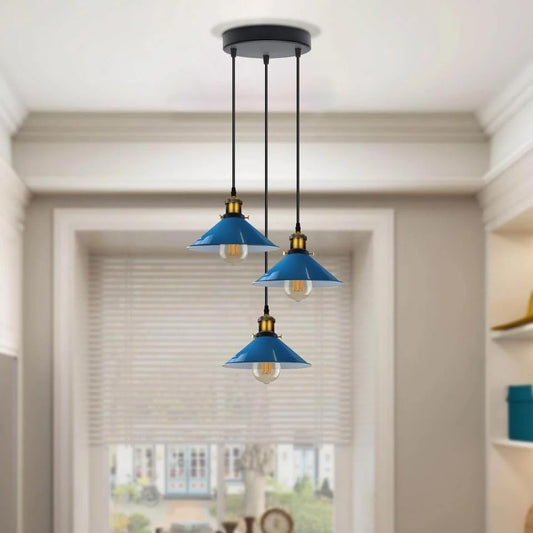
Industrial 3 Way Pendant Light Triple Cone Sloped Ceiling Adjustable E27~3868
Regular price
£34.10 GBP
Sale price
£38.88 GBP
In Stock
Complete Industrial Lighting & Installation Fittings
Key Takeaways
Proper planning of an industrial lighting system ensures both operational safety and long-term energy savings for your facility. Implementing the right hardware and control protocols maintains a productive workspace.
- Select high-bay, low-bay, or linear LED systems based on ceiling height and aisle layout.
- Ensure installation meets current safety standards using appropriate mounts and secure conduit systems.
- Prioritise IP-rated fixtures to protect internal components against dust and moisture ingress.
- Use modern control protocols like DALI or motion sensors to drive down operational energy costs.
- Maintain system longevity through scheduled inspections and timely cleaning of heat-sink surfaces.
Understanding types of industrial lighting fixtures
Selecting the correct fixtures is the foundational step in setting up an efficient workspace that balances output with energy use. Whether you are refurbishing an older facility or outfitting a new build, understanding the specific roles of different units is critical for performance. At Ledsone, we offer over 2,000 lighting styles, including essential industrial lighting and architectural hardware for diverse project scales.
High-bay and low-bay lighting systems
High-bay lights are primarily deployed in environments with ceilings exceeding six metres to ensure uniform illumination across large planes. These units provide the vertical intensity required for precision tasks and secure navigation through storage areas. Conversely, low-bay fixtures cater to spaces with lower clearance, distributing light more broadly to prevent harsh shadows on the working floor.
Linear LED trunking for warehouse aisles
Warehouse aisles present unique optical challenges where conventional diffuse lighting often falls short. Linear trunking systems create continuous lines of light that guide workers through long corridors while minimising glare. These configurations improve visibility significantly compared to point-source alternatives, which often leave gaps in coverage.
Floodlights for outdoor and perimeter security
Securing a facility requires broad, high-intensity coverage to prevent unauthorised access during off-hours. Modern industrial LED lighting floodlights deliver instantaneous illumination that resists external elements like rain or wind. These robust fixtures are typically mounted on high brackets to cast light across wide zones, ensuring site safety is maintained throughout the night.
Key installation requirements for industrial environments
Installing lighting inside a commercial or industrial building requires adherence to strict technical standards to ensure structural safety. Proper mechanical support must always match the weight and vibration profiles of the chosen luminaires. Ledsone provides the industrial electrical installation fittings necessary to secure these systems reliably across various substrate types.

Mounting techniques for varied ceiling types
Concrete, steel trusses, and suspended frames each dictate different hardware needs to maintain stability over time. Using inappropriate fasteners can lead to long-term fatigue or luminaire failure, especially in high-vibration areas near heavy machinery. Selecting the correct load-bearing anchor remains a critical factor for fixture stability in heavy production zones.
Cable management and conduit selection
Properly housing cables in harsh environments is essential for meeting safety codes and preventing mechanical damage during facility operations. We recommend using specific durable hardware for routing wires safely to each fixture.
| Hardware Type | Intended Use | Material Durability |
|---|---|---|
| Metal conduit pipe fittings | Rigid protection for wiring | High mechanical strength |
| Distance saddles for metal conduit | Proper spacing from walls | Corrosion-resistant zinc |
| Surface mounted electrical conduit UK | Exposed internal wiring | Weatherproof steel |
Selecting high-quality surface mounted electrical conduit UK components ensures your electrical network stays insulated from dust and debris typically found in warehouses. Properly installed conduit systems extend the life of wiring by isolating it from ambient factory heat and physical contact.
Spanning electrical loads across large facilities
Managing electrical demand across multiple circuits allows for granular control and redundancy in the event of a fault. Planning for expansion ensures that your circuit design accommodates additional lights or sensors without overloading existing breakers.
- Group fixtures by zone to allow for local circuit isolation during repairs.
- Ensure all connections comply with current BS 7671 electrical standards for safety.
- Integrate appropriate UKCA compliant lighting components to maintain site-wide safety compliance.
- Balance total power load across phases to prevent uneven wear on distribution boards.
Adopting these methods ensures that the system handles large-scale demand without compromising the reliability of individual workspace areas.
Selecting durable materials and environmental ratings
Factory floors often present aggressive conditions ranging from extreme dust to high humidity that can degrade inferior plastic or electronic housing. Prioritising materials that can withstand these stressors is the only way to avoid frequent, costly replacements. Ledsone specialises in finding the balance between aesthetic choice and heavy-duty utility.
Importance of IP ratings for moisture and dust protection
An ingress protection rating tells you exactly how effectively a fixture is sealed against environmental particulate or liquid ingress. Units with higher ratings are essential in food processing or high-dust manufacturing where internal electronic circuitry is prone to premature failure without an airtight barrier.
Corrosion-resistant finishes for harsh environments
Exposure to chemical vapours or high-salt environments requires stainless steel or powder-coated finishes that prevent oxidation. Over time, surfaces treated with protective coatings remain structurally sound even in damp conditions where uncoated metals would otherwise succumb to rust and structural decay.
Thermal management for high-temperature zones
Industrial environments often run hot, which reduces the lifespan of standard LED drivers if they are not adequately ventilated. Effective heat-sinks pull warmth away from sensitive components, maintaining performance throughout the fixture lifecycle even when ambient temperatures are elevated.
Optimising energy efficiency with modern controls
Energy expenditure forms one of the largest variables in facility overheads, and modern controls allow for fine-tuned usage. Reducing consumption during idle periods preserves lamp life and significantly benefits the corporate bottom line. Ledsone supplies the retrofit lighting hardware required to modernise older systems for better efficiency.
Integrating occupancy sensors for factory floors
Occupancy sensors eliminate the need to leave large zones lit when no staff are present, which is common in shift-based operations. These units detect even subtle movement, which triggers immediate illumination and dims the area back down after a set period of inactivity to conserve power.
Daylight harvesting systems to reduce expenditure
Light sensors measure the level of ambient natural sunlight entering through roof vents or side windows, automatically adjusting internal output for a consistent level of light. This prevents unnecessary over-illumination when sunlight could provide the majority of the working light needed during daylight hours.
DALI dimming protocols for precision lighting
Digital addressable interfaces permit central control of every individual lamp on the network, allowing facility managers to create different illumination schedules for specific zones. This precision ensures that workstations have exact intensity levels, which improves worker comfort and reduces eye fatigue during long shifts.
Safety standards and compliance for industrial lighting
Regulatory compliance is not merely about avoiding fines; it is fundamentally about the physical well-being of the staff working underneath the hardware. Adhering to established standards ensures that every lighting plan provides the necessary lux levels for specific tasks.
Navigating BS EN 12464-1 lighting standards
Standards such as BS EN 12464-1 provide detailed requirements for indoor lighting in work environments, covering tasks from basic storage to fine mechanical assembly. Following these guidelines ensures that your lighting hardware is fit for purpose and provides adequate conditions for every employee.
Emergency lighting requirements for industrial exits
In the event of a power failure, safety-rated emergency units with battery backups must take over immediately to illuminate escape routes. Regular testing of these units is mandatory for any commercial setting to ensure all exits remain identifiable if the main supply fails.
Ensuring photometric accuracy for workspace hazards
Accurate photometric testing involves verifying that the light distribution precisely meets design specs, preventing dangerous dark spots or blinding glare. Engineers use these measurements to place fixtures correctly so that potential workplace hazards remain clearly visible and well-defined at all times.
Best practices for maintenance and system longevity
Maintenance needs to be proactive rather than reactive to avoid downtime in critical production cycles. By treating lighting as a managed asset rather than a consumable, you ensure maximum return on investment for all installed hardware.
Scheduled inspections for electrical fittings
Routine checkups allow you to identify loose connections, degraded wiring, or faulty contacts that might cause intermittent lighting problems. Documenting these findings helps track the condition of components and predict the end-of-service life for specific batches of hardware.
Cleaning protocols for lens and heat-sink surfaces
Accumulated dust on lenses acts as an insulator, trapping heat and scattering light in unwanted directions, which lowers the overall efficacy of the illumination. Periodically wiping down external cooling fins and front glass keeps the units running at their manufactured design temperatures for much longer.
Component replacement strategies for uninterrupted operation
Strategically rotating out failing bulbs or dead drivers before they impact operations helps maintain constant lighting states across the factory floor. Keep key vintage lighting and installation components in stock to avoid shipping delays when a sudden, unexpected fixture failure occurs.
Conclusion
Investing in reliable industrial lighting is about more than just visibility; it is about creating a stable, efficient, and compliant workplace that supports productivity and safety. From selecting the right high-bay fixtures to maintaining clear cooling surfaces, every step ensures your facility remains operational and cost-effective. By keeping a stock of essential spares and leveraging smart controls, your lighting system remains a long-term asset that grows with your business.
Frequently Asked Questions
What are the main differences between high-bay and low-bay lighting?
High-bay lighting is designed for spaces with ceilings higher than six metres to provide intense, focused downward light, whereas low-bay fixtures are meant for lower ceilings to spread light over a wider area without glare.
Why are IP ratings vital for warehouse lighting?
IP ratings specify how well a light fixture is protected from environmental threats like dust and moisture, ensuring that essential internal electronic components do not suffer from failure due to contamination.
How does daylight harvesting lower operational costs?
Daylight harvesting uses sensors to measure natural light coming into a building, which then automatically dims or switches off internal artificial lights when adequate natural brightness is detected.
What does BS EN 12464-1 cover for work environments?
This standard outlines the specific lighting requirements for indoor workplaces to ensure employees have clear, safe, and comfortable illumination suitable for their particular professional tasks.
How often should lighting systems be inspected?
Inspections should occur on a regular schedule, typically determined by the harshness of the operating environment, to identify potential wiring issues or component degradation before a total failure occurs.
Can existing lighting systems be updated with new controls?
Yes, modern control modules can often be added to older, compatible lighting rigs, allowing for better energy management, occupancy sensing, and dimming without replacing the entire existing installation.
What is the advantage of DALI dimming protocols?
These protocols provide granular control over every individual fixture on a network, allowing managers to set specific light intensities for different work zones to improve efficiency and worker comfort.
Track Your Order
Enter your tracking number to see delivery updates
Order now to receive by
--
-
--
Within 3-5 days
Need it faster? Express Delivery available — order now for next day delivery.
View delivery info
Tracking opens in a new tab
Sorry! Products are not enough.
Add One More to Save!
You're eligible for 15% off now!
Save 15%
Use Code
B2P10