
Electrical Cables & Wires
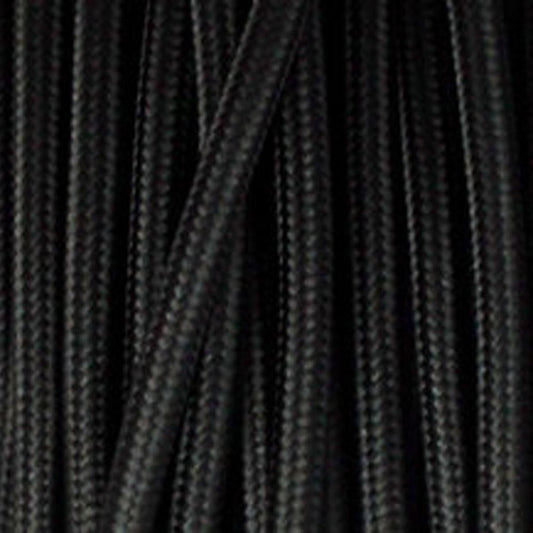
2 Core Round Black Fabric Lamp Cord Cable 1m/ 5m/ 10m~3228
Regular price
13,00 PLN
Sale price
In Stock
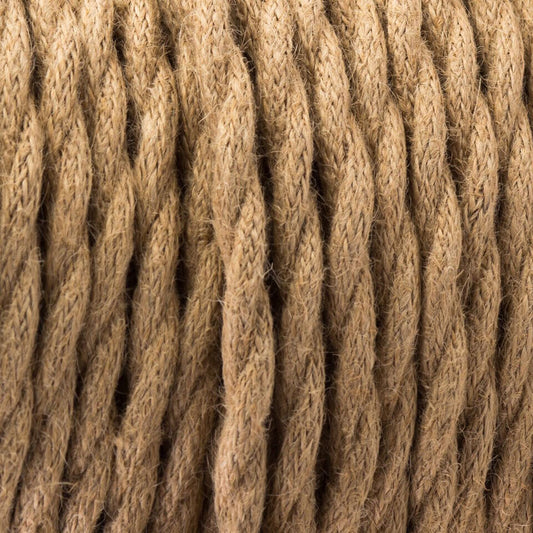
1M/5M/10M 3 Core Twisted Hemp Fabric Cable Vintage Decorative Flex~3193
Regular price
12,00 PLN
Sale price
In Stock
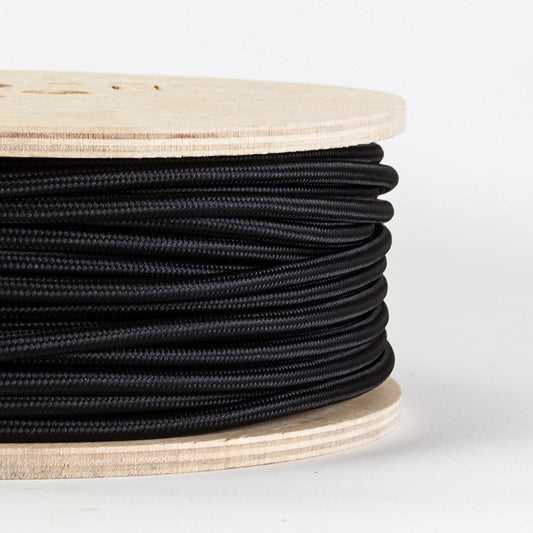
3 Core 8A Round Black Fabric Lamp Cord Cable-0.75mm~3187
Regular price
13,00 PLN
Sale price
In Stock
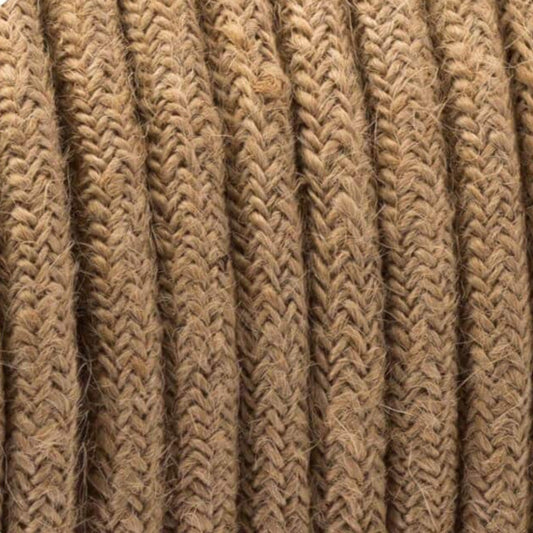
1M/5M/10M 3 Core Round Hemp Fabric Lighting Cable- 8A~3188
Regular price
13,00 PLN
Sale price
In Stock
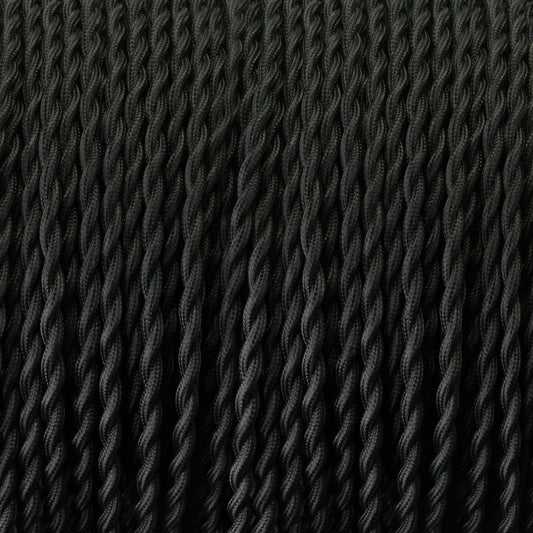
3 Core Twisted Black Cloth Covered Electrical Cable-0.75mm~1152
Regular price
14,00 PLN
Sale price
In Stock
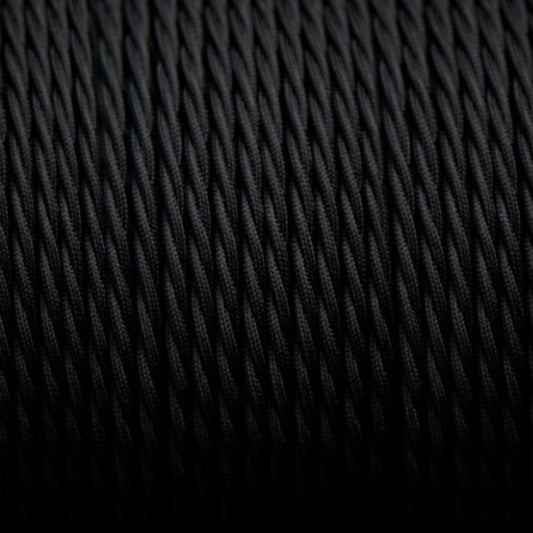
1m/3m/5m/10m 2 Core Twisted Black Fabric Flexible Decorative Cable~4756
Regular price
13,00 PLN
Sale price
In Stock
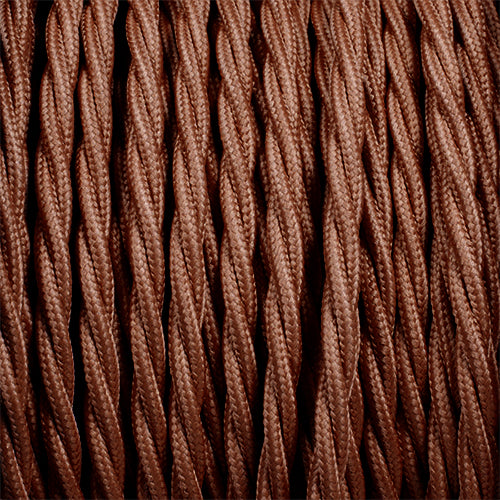
2 Core Twisted Brown Cloth Covered Electrical Cord 1m/5m/10m~3008
Regular price
13,00 PLN
Sale price
In Stock
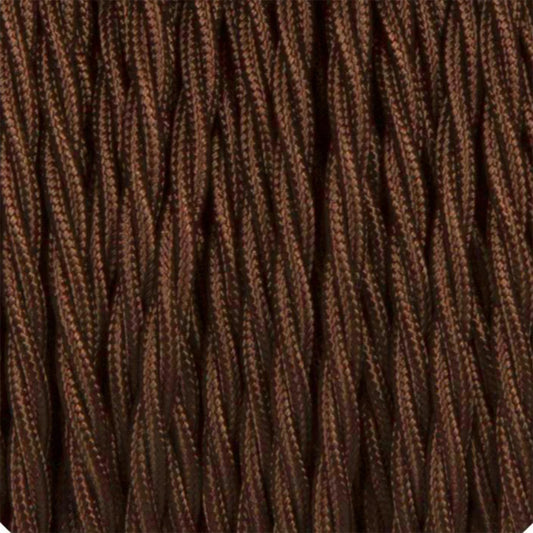
1m/5m/10m 3 Core Twisted Brown Fabric Cable Flexible Decorative Cord ~3064
Regular price
13,00 PLN
Sale price
In Stock
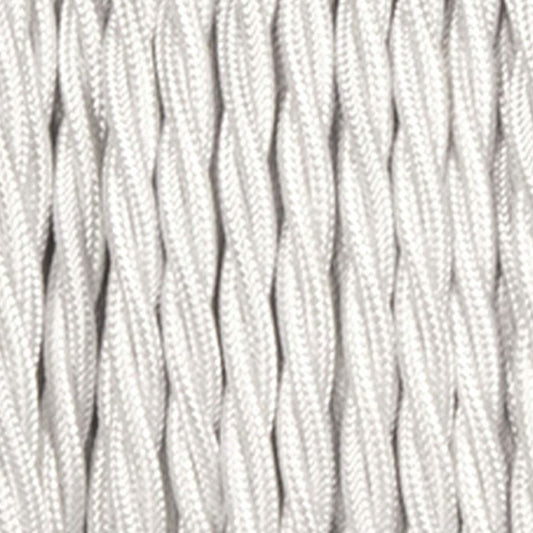
1M/5M/10M Vintage 3 Core Decorative Twisted White Fabric Lighting Cable~3061
Regular price
13,00 PLN
Sale price
In Stock
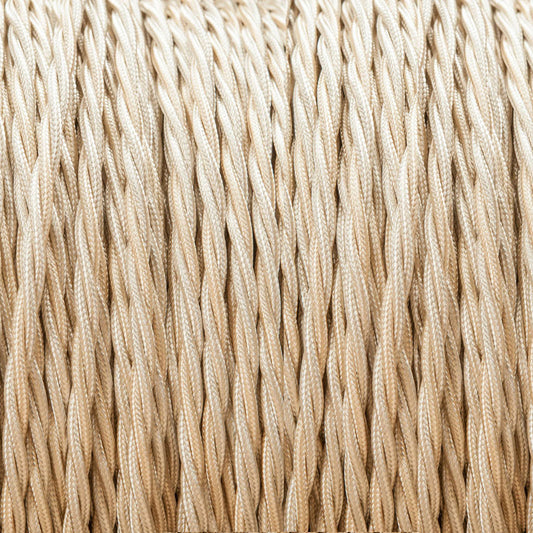
3 Core Twisted Cream Cloth Covered Electrical Cable-1M/5M/10M~3046
Regular price
12,00 PLN
Sale price
In Stock
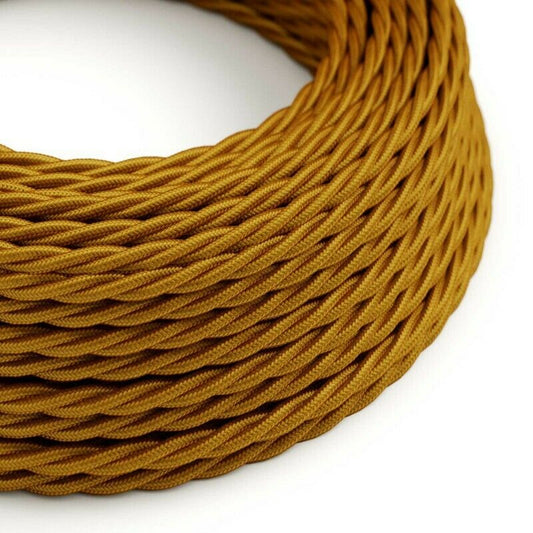
1M/5M/10M 3 Core Vintage Twisted Gold Fabric Cable for Pendant & DIY Projects~3058
Regular price
12,00 PLN
Sale price
In Stock
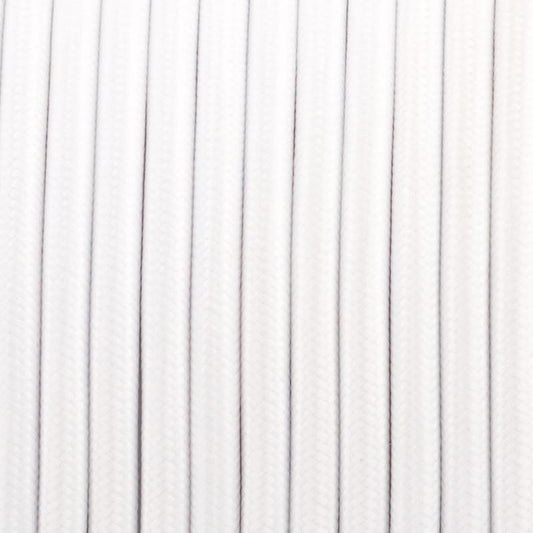
1M/5M/10M 3 Core Round White Fabric Lamp Cord Cable-0.75mm~3047
Regular price
15,00 PLN
Sale price
In Stock
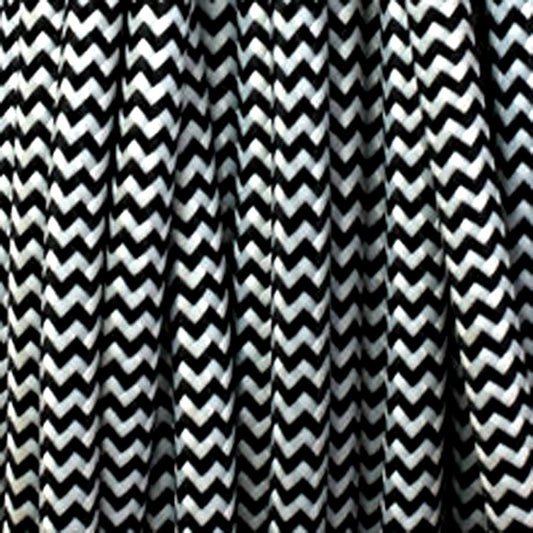
1M/5M/10M 3 Core Black and White Fabric Lighting Cable Round Braided ~3186
Regular price
13,00 PLN
Sale price
In Stock
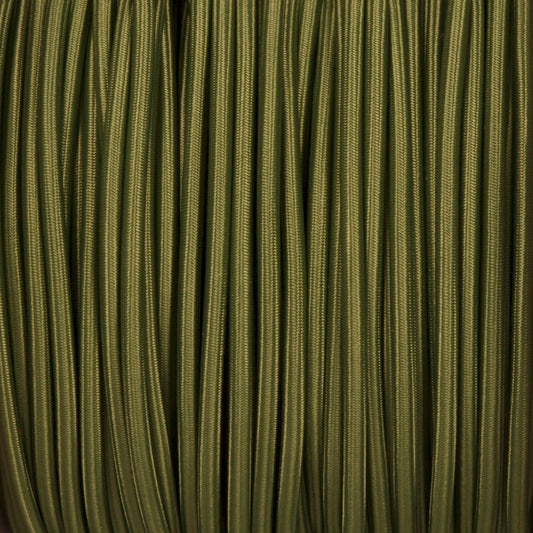
3 Core Round Braided Army Green Fabric Lighting Cable 1M/5M/10M~3184
Regular price
15,00 PLN
Sale price
In Stock

1m/3m/5m/10m 2 Core Vintage Twisted Hemp Cloth Covered Electric Lighting Cable~6148
Regular price
13,00 PLN
Sale price
In Stock
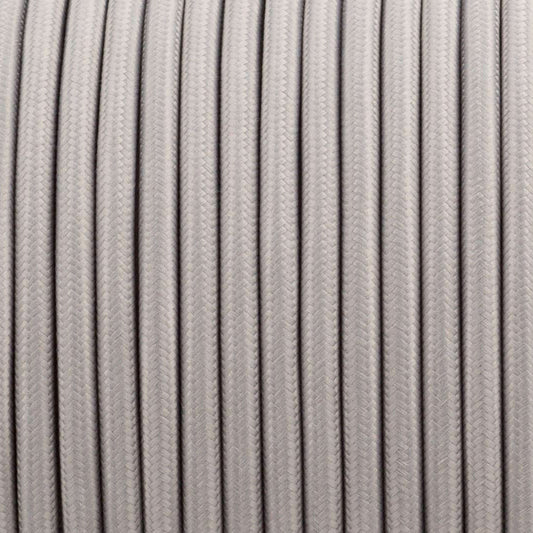
1M/5M/10M 3 Core Vintage Round Braided Grey Fabric Lighting Decorative Cable~3040
Regular price
13,00 PLN
Sale price
In Stock

2 Core Round Gold Fabric Lighting Cable-0.75mm 1m/5m /10m~1672
Regular price
14,00 PLN
Sale price
In Stock
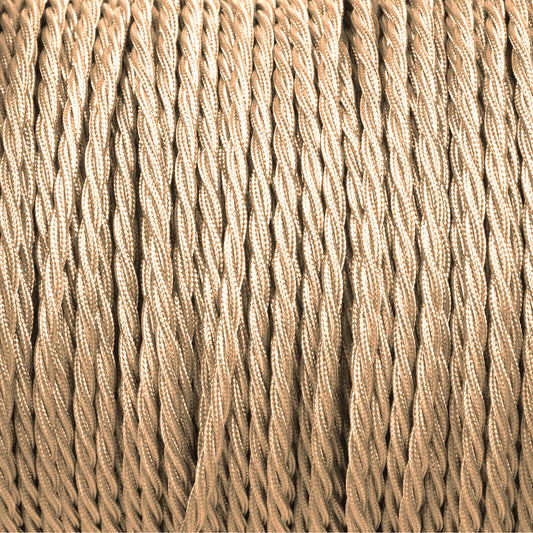
2 Core Twisted Light Gold Fabric Lamp Cord Cable-0.75mm 1m/5m/10m~3197
Regular price
13,00 PLN
Sale price
In Stock
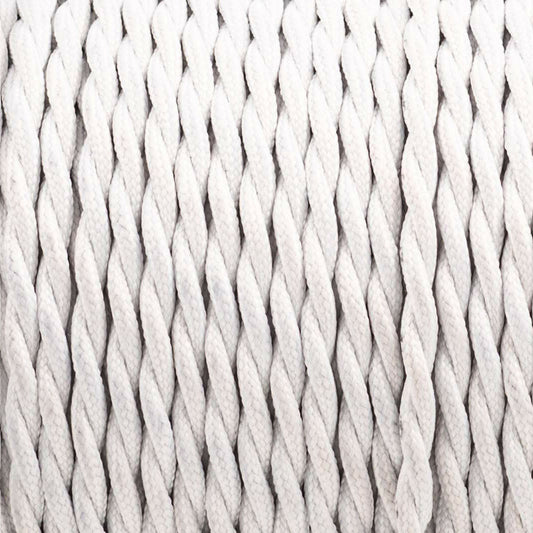
2 Core Twisted 8A White Fabric Lamp Cord 0.75mm 1m/5m/10m~3022
Regular price
13,00 PLN
Sale price
In Stock
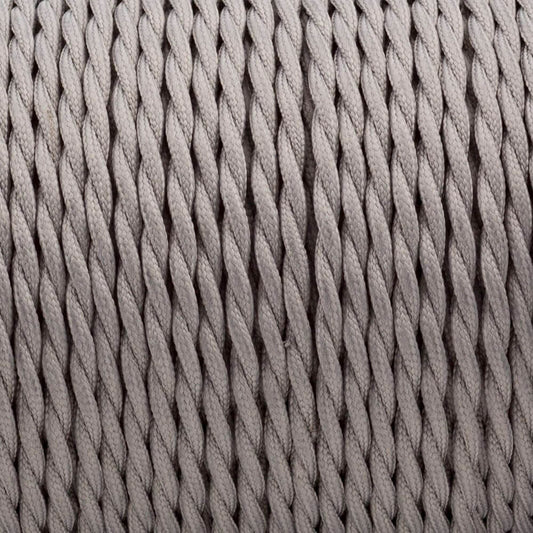
Grey 2 Core 1m/2m/5m/10m Decorative Twisted Fabric Lighting Cable~1765
Regular price
13,00 PLN
Sale price
In Stock

1M/5M/10M 3 Core Twisted Gold Fabric Cable Flexible Decorative Cord~4824
Regular price
13,00 PLN
Sale price
In Stock
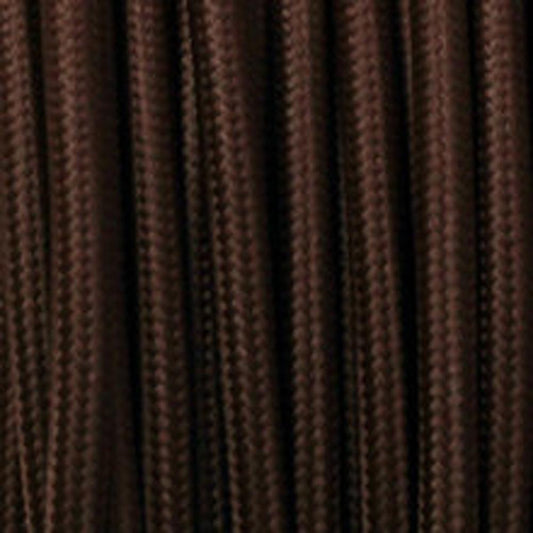
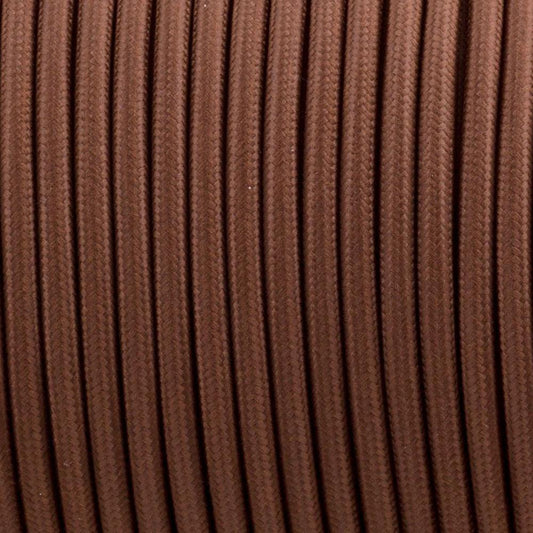
1M/5M/10M Vintage Style 3 Core Brown Fabric Round Cable ~3034
Regular price
15,00 PLN
Sale price
In Stock
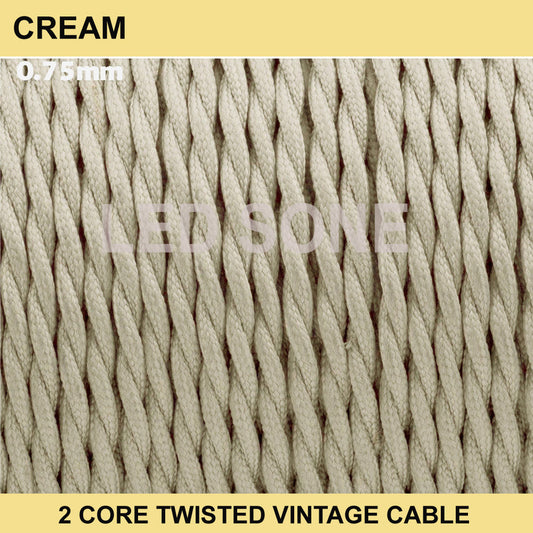
1m/5m/10m 2 Core Vintage Twisted Cream Electric Cable for Lighting Projects~3016
Regular price
13,00 PLN
Sale price
In Stock
Benefits of Using Fabric Covered Cables in Your Home
You know, those old cloth-covered wires in some houses can be a bit of a worry. They're not really up to scratch for modern living, and honestly, they can look a bit dated too. But there's a really neat alternative gaining popularity: fabric electrical cable. It’s not just about looks, though that’s a big part of it. These cables offer a way to bring your lighting up to date while adding a touch of style that standard wires just can't match. Let's take a look at why you might want to consider them for your home.
Key Takeaways
-
Fabric electrical cable adds a stylish, often vintage or industrial, look to lighting, going beyond mere function.
-
Available in 2-core (for ungrounded fixtures) and 3-core (with grounding) options, choose based on your fixture's needs.
-
Round and twisted styles offer design flexibility, suiting modern or classic decors respectively.
-
Proper installation requires attention to grounding needs and ensuring the cable thickness is suitable for the fixture.
-
Upgrading to fabric electrical cable can improve safety, handle modern power demands better than old wiring, and potentially boost home insurance and saleability.
Enhancing Your Home With Fabric Electrical Cable
Aesthetic Appeal Of Fabric Cables
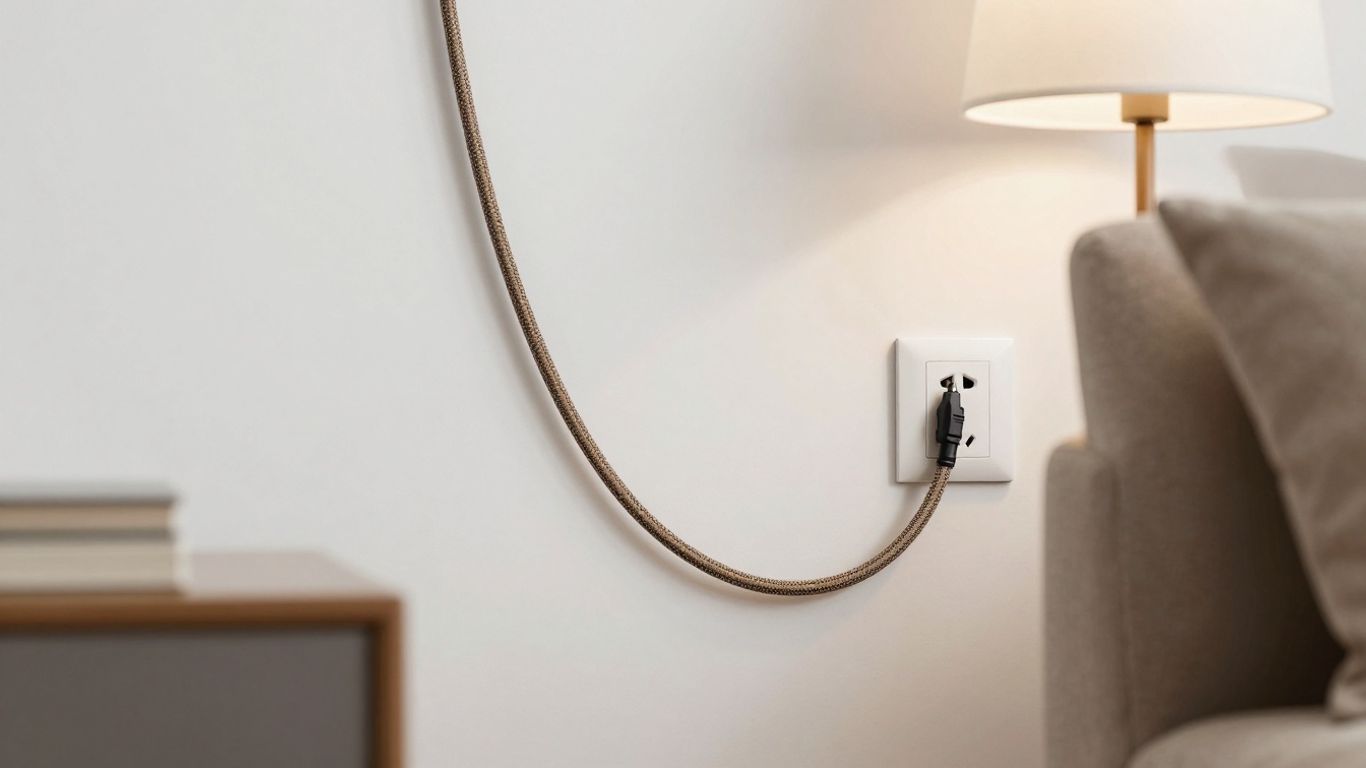
Let's be honest, standard plastic-coated wires aren't exactly a feast for the eyes. They're functional, sure, but they don't exactly add to your home's charm. Fabric-covered cables, on the other hand, are a different story entirely. They bring a touch of sophistication and character that plain wires just can't match. Think of them as the stylish accessory for your lighting. Whether you're going for a cosy, vintage vibe or a sleek, modern look, there's a fabric cable out there to fit. They come in all sorts of colours and patterns, from classic black and white to vibrant reds and even subtle tweed finishes. These cables transform a basic necessity into a design feature.
Versatility In Design Choices
The real beauty of fabric cables lies in how many ways you can use them. They're not just for fancy chandeliers either. You can use them for simple pendant lights, giving them a real upgrade. Or how about for your bedside lamps? It's a small change that makes a big difference. They work brilliantly in kitchens, over dining tables, or even just running along a wall to power a picture light. The variety means you can really tailor your lighting to your specific decor. You're not stuck with one look; you can mix and match to get it just right.
Here's a quick look at some popular styles:
-
Round Cables: These offer a clean, smooth finish, perfect for a more contemporary feel.
-
Twisted Cables: With their distinctive spiral pattern, these are brilliant for adding a vintage or industrial touch.
-
Coloured Cables: Available in a huge spectrum of colours, letting you match your cables to your paintwork, furniture, or just your mood.
Durability And Protection
Beyond just looking good, fabric cables offer a practical advantage too. The textile outer layer provides an extra bit of protection for the wires inside. This means they're generally more resistant to wear and tear than standard PVC cables. While you still need to treat them with care, this added layer can help prevent nicks and scrapes, which is especially useful in areas where cables might get bumped or moved around a bit. It's a nice bonus that they're not just pretty, but also a bit more robust.
It's worth remembering that while fabric cables look great, they still need to be installed correctly and safely. Always check the cable's specifications and ensure it's suitable for the intended use, especially when it comes to power ratings and grounding requirements.
Understanding Fabric Electrical Cable Options
When you're looking at fabric electrical cable, you'll notice there are a few main types to consider. It's not just about the colour or the fabric pattern, though those are important for style. The real differences lie in how many wires are inside and how they're arranged. This choice affects both the look and, more importantly, the safety of your lighting setup.
The Role Of 2-Core Fabric Cables
A 2-core fabric electrical cable, often called a 2 core twisted cable or a 2 core round fabric cable, is pretty straightforward. It contains just two wires: a live one and a neutral one. There's no earth wire in this type. Because of this, it's best suited for light fittings that don't need grounding. Think about lamps with plastic bases or anything that's double-insulated. These are great for adding that vintage lighting cable feel without needing complex wiring. They're a popular choice for simple, decorative lighting where the cable itself is part of the design, like with some pendant lights or minimalist lamps. You'll often see this type referred to as braided flex cable or cloth covered wire when people are looking for that classic aesthetic.
The Safety Of 3-Core Fabric Cables
Now, a 3-core fabric electrical cable is a bit more robust. This type includes a third wire – the earth wire – alongside the live and neutral ones. This makes it a safer bet for fixtures that require grounding. Metal light fittings, for instance, absolutely need an earth connection to prevent electric shock if something goes wrong. You'll also want to use a 3 core round fabric cable or a 3 core twisted cable in areas where extra safety is a must, like bathrooms or even some outdoor lighting setups. It's the go-to for installations where safety is the top priority, offering that extra layer of protection that a 2-core cable just doesn't have.
Choosing Between Round And Twisted Styles
Beyond the core count, fabric electrical cables come in two main styles: round and twisted. The difference is more than just looks, though that's a big part of it. A twisted cable, like a 2 core twisted cable or a 3 core twisted cable, has its wires twisted together under the fabric sheath. This gives it a more decorative, often vintage or industrial, appearance. It's perfect for exposed wiring where you want the cable to be a design feature. On the other hand, a round cable, such as a 2 core round fabric cable or a 3 core round fabric cable, has a smoother, more uniform profile. This style tends to look cleaner and more modern, fitting well with contemporary decor. So, what are fabric electrical cables used for? Well, they're used to add style and a touch of personality to lighting, whether you're going for a retro vibe with twisted flex or a sleek look with round textile lighting cable.
Here's a quick rundown:
-
2-Core Cable: Live and Neutral wires only. Suitable for non-grounded, double-insulated fixtures.
-
3-Core Cable: Live, Neutral, and Earth wires. Required for grounded fixtures and offers enhanced safety.
-
Twisted Style: Offers a decorative, vintage look, ideal for exposed wiring as a design element.
-
Round Style: Provides a cleaner, more modern appearance, blending more subtly into the decor.
When selecting your fabric electrical cable, always consider the requirements of your light fitting. If it has a metal casing or is intended for use in a potentially damp area, a 3-core cable is almost always the correct and safest choice. Don't compromise on safety for aesthetics; with fabric cables, you can often have both.
Integrating Fabric Electrical Cable Into Your Decor
Pendant Lights and Lamps
Fabric cables really shine when you're looking to add a bit of flair to your lighting fixtures. Think about your pendant lights – instead of a plain old plastic cord, imagine a beautifully braided fabric cable in a colour that complements your kitchen or dining room. It's a simple swap that makes a big difference. The same goes for table and floor lamps. You can easily replace an old, tired cord with a new fabric one, instantly giving your lamp a fresh, more stylish look. This is where the decorative lamp cord truly comes into its own, turning a functional item into a design feature. Many people wonder, "Can I install these myself as a DIY project?" Absolutely! Swapping out a cable on a lamp or a simple pendant light is often a straightforward DIY task, provided you're comfortable with basic wiring and always remember to turn off the power at the mains first.
Creative Wall Integration
Beyond just hanging lights, fabric cables can be used in some really interesting ways on walls. If you've got a bare wall and want to add some visual interest, consider running a fabric cable in a pattern. Think geometric shapes or even just a clean, straight line from a ceiling rose to a wall-mounted light. It's a bit like drawing with wire! You can also use fabric cable covers that match your wall colour or even run the cables along existing mouldings or picture rails for a more subtle, integrated look. For those looking for a truly unique DIY pendant light cable solution, creatively routing the cable can become a talking point in itself.
Complementing Retail and Office Spaces
While we're focusing on homes, it's worth noting how effective fabric cables are in commercial settings too. In shops, cafes, or even modern offices, these cables add a touch of personality and style that standard wiring just can't match. They help create a specific atmosphere, whether that's a cosy, vintage vibe in a coffee shop or a clean, contemporary feel in a design studio. They show attention to detail, which can make a space feel more thoughtfully put together. It's a small detail that contributes to the overall impression of a place.
Safety Considerations For Fabric Electrical Cable
When you're looking at fabric electrical cables, safety is obviously a big deal. It's not just about how nice they look; they need to be safe for your home. There are a few key things to keep in mind to make sure everything is up to scratch.
Grounding Requirements For Fixtures
This is pretty important. If your light fixture is made of metal, or if it's going in a place that might get damp like a bathroom, you'll need to make sure it's properly earthed. For these situations, you absolutely must use a 3-core fabric cable. The third core is the earth wire, and it's there to give electricity a safe path to the ground if something goes wrong, stopping you from getting a shock. Always check the requirements for your specific fixture; some might be double-insulated and only need a 2-core cable, but it's better to be safe than sorry.
Ensuring Proper Cable Thickness
Cable thickness matters more than you might think. Most decorative fabric cables for lighting are around 0.75mm². This is generally fine for standard lighting circuits. However, it's really important to match the cable's capacity to the demands of your fixture. Overloading a cable that's too thin can cause it to overheat, which is a fire risk. Always check the specifications of your light fitting and the cable itself to make sure they're compatible. If you're unsure about properly sizing electrical wire, it's best to consult an electrician.
Compliance With Modern Standards
Fabric cables have come a long way. While older cloth-covered wiring could be brittle and a fire hazard, modern fabric cables are designed with safety in mind. They often have a tough inner insulation layer beneath the fabric. Still, it's wise to check that the cables you buy meet current safety regulations. Look for certifications or markings that indicate they've been tested and approved. This gives you peace of mind that they're built to handle today's electrical loads safely.
A common question people have is: How do I prevent the fabric from fraying when cutting? A simple trick is to wrap a bit of masking tape around the cable where you plan to cut. Once you've made your cut, carefully remove the tape. This usually keeps the fabric ends neat and tidy, stopping them from unravelling too much. You can also use a sharp craft knife or scissors for a cleaner cut.
Here's a quick rundown of what to look for:
-
3-Core Cables: Use for metal fixtures or in damp areas.
-
Correct Thickness: Match cable capacity to fixture needs (0.75mm² is common).
-
Certifications: Look for safety marks indicating compliance with standards.
-
Secure Connections: Always ensure all connections are firm and well-insulated.
The Benefits Of Fabric Electrical Cable Over Older Wiring
Right then, let's talk about why swapping out old, tired wiring for some snazzy fabric-covered cable is a genuinely good idea. We're not just talking about looks here, though that's a big part of it. When you compare fabric cables to the ancient stuff you might find lurking in older homes, the differences are pretty stark, and mostly for the better.
Increased Safety Features
Older wiring, like the knob-and-tube kind, often lacks a proper earth or ground wire. This is a pretty big deal, safety-wise. Fabric cables, especially the 3-core variety, come with that all-important earth wire. This provides a safe path for electricity to go if something goes wrong, massively cutting down the risk of shocks or fires. Plus, the fabric itself offers a bit more protection than just brittle, old insulation that can crack and expose wires. It's just a more robust system all round.
Handling Modern Electrical Demands
Think about how much we use electricity now compared to, say, 50 or 100 years ago. We've got more gadgets, bigger TVs, and all sorts of appliances running constantly. Old wiring systems just weren't designed for this kind of load. They can overheat, which is a serious fire hazard. Fabric cables, particularly those with thicker cores and modern insulation, are much better equipped to handle the demands of a contemporary home. They're built for the power we need today, not the power we needed a century ago.
Impact On Home Insurance and Saleability
This is where things get practical. If your home still has old wiring, you might find your insurance premiums are higher, or worse, that some companies won't insure you at all. It's seen as a significant risk. Similarly, trying to sell a house with outdated wiring can be a real headache. Buyers get nervous, their mortgage lenders get nervous, and it can scupper a sale entirely. Upgrading to modern, compliant fabric cables not only makes your home safer but also makes it much more attractive to insurers and potential buyers. It's an investment that pays off.
Old wiring is often brittle, susceptible to damage from pests, and might not insulate heat effectively. These issues combined can create a significant fire risk that modern alternatives simply don't have.
Here's a quick look at what you gain:
-
Reduced fire risk: Due to better insulation and grounding.
-
Protection against electric shock: The earth wire is a game-changer.
-
Capacity for modern appliances: No more worrying about overloading circuits.
-
Peace of mind: Knowing your home's electrical system is up to scratch.
-
Easier insurance and selling: A modern system is a major selling point.
Wrapping Up
So, there you have it. Fabric cables aren't just about looking pretty, though they certainly do that. They add a bit of flair to your lighting, whether you're going for that retro vibe or something more modern. Remember to think about whether you need a 2-core or 3-core cable, and if you want that twisted look or a smooth round finish. Picking the right one can really make a difference to how your space feels. If you're still scratching your head, have a look at more of our guides or chat with someone who knows their lighting stuff. It’s worth getting it right for your home.
Frequently Asked Questions
What exactly are fabric electrical cables?
Fabric electrical cables are basically wires covered in a nice fabric or textile material. They're often used for lights where you can see the cable, adding a stylish touch that regular plastic cables just don't have. Think of them as a way to make your lighting look more interesting and decorative.
What's the difference between 2-core and 3-core fabric cables?
A 2-core cable has two wires inside and is fine for lights that don't need an earth connection, like some plastic lamps. A 3-core cable has three wires, including an earth wire for extra safety, and is usually needed for metal light fixtures or in places like bathrooms where safety is extra important.
Are fabric cables safe to use in my home?
Yes, when used correctly, fabric cables are perfectly safe. You need to make sure you choose the right type (2-core or 3-core) for your light fitting and that the cable thickness is suitable. Always follow safety guidelines and consider getting an electrician to help if you're unsure.
Can I use fabric cables in places like shops or offices?
Absolutely! Fabric cables are great for adding a special look to shops, cafes, and offices. They can help create a certain mood or style, making the space look more attractive and unique. For example, they can make a cafe feel cosy or a modern office feel more creative.
How do fabric cables compare to older, cloth-covered wires?
Modern fabric cables are much safer than very old cloth wiring, which could become brittle, expose wires, and even contain harmful materials like asbestos. Today's fabric cables are designed with better materials and safety features, making them a stylish and secure choice for your home.
Do fabric cables affect my home insurance or its value?
Unlike old, outdated wiring that might cause insurance problems, using modern, safe fabric cables can actually enhance your home's appeal. They show that your electrical fittings are up-to-date and stylish, which can be a positive point when selling your home or talking to insurers.
Track Your Order
Enter your tracking number to see delivery updates
Tracking opens in a new tab
Sorry! Products are not enough.